How to Choose the Right Belt Fastener for Your Industry
Looking for the right belt fastener for your application? Intake offers durable, customized conveyor belt fasteners. As one of the experienced industrial fastener manufacturers, we help you choose the right solution faster and more confidently.
Request a Free QuoteWhat is Belt Fastener
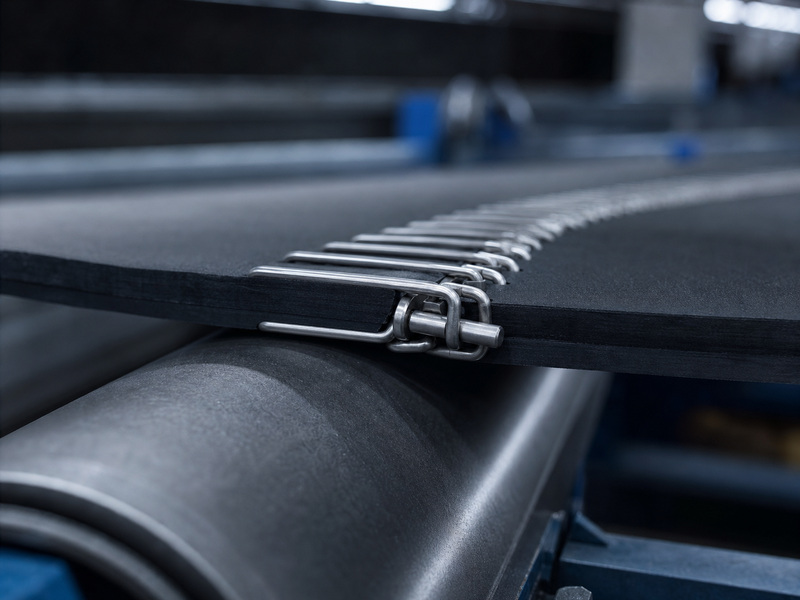
A belt fastener is a connection system used to join conveyor belts securely and efficiently. It helps maintain belt tension, reduce downtime, and support stable operation in demanding industrial environments. Intake provides a range of belt fastener solutions for different belt thicknesses, materials, and installation requirements.
The right belt fastener can improve maintenance efficiency and help prevent belt failure during daily operation. Different applications require different fastening strength, flexibility, corrosion resistance, and installation methods. That is why choosing the right belt fastener is just as important as choosing the belt itself.

Which Fastener Does Your Application Need?
Selecting the right conveyor belt fasteners depends on your operating environment, belt type, and the type of load your system handles. Intake recommends matching the fastener structure to the application first, then refining the material and installation method.
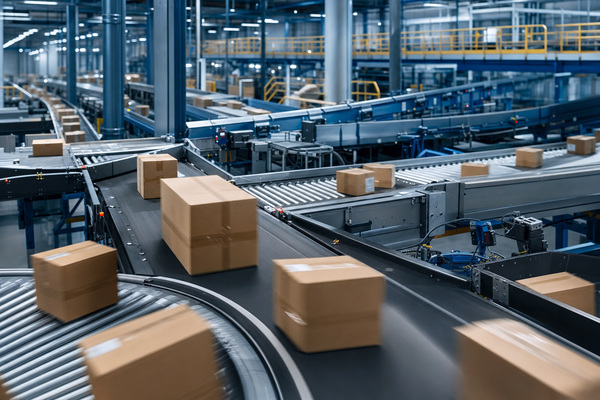
Logistics & Sorting
Sortation and parcel-handling lines run at high speed, start and stop constantly, and rarely stop for maintenance. The belt joint has to survive thousands of flex cycles a day without snagging on rollers or sensors.
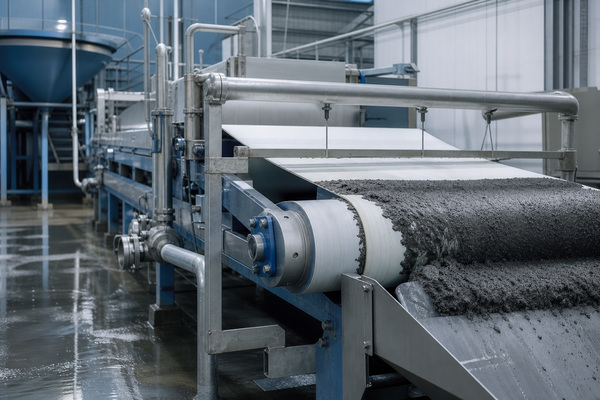
Environmental & Filtration
Filter belts in wastewater treatment, dewatering, and environmental systems are exposed to moisture, chemicals, and abrasive sludge around the clock.
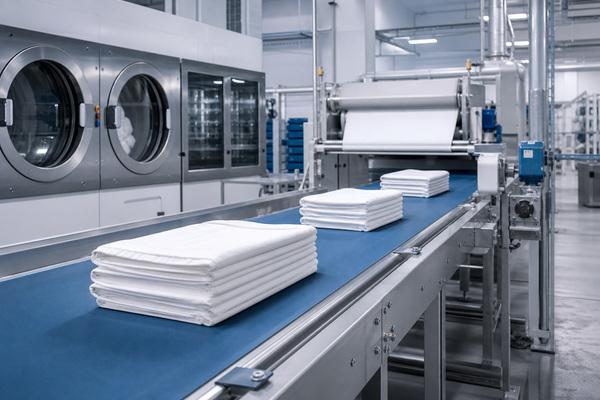
Laundry & Textile
Industrial laundry and textile-finishing belts run through washers, dryers, and presses, often with strict hygiene requirements.
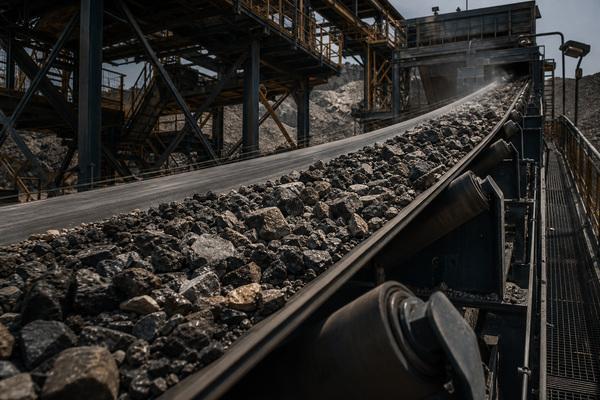
Industrial Conveying
Heavy-duty industrial conveying - mining, aggregates, bulk material handling - puts belt joints under constant heavy load, impact, and abrasion.
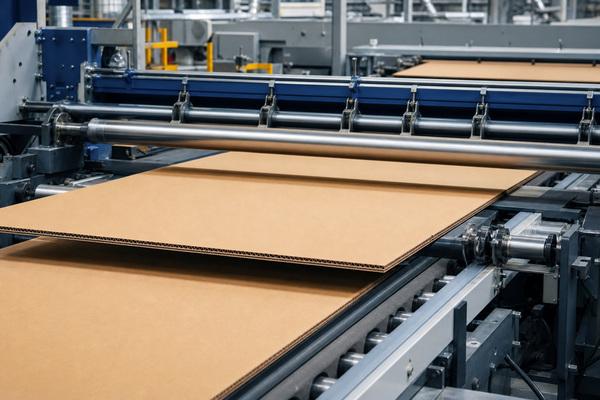
Corrugated Paper
Corrugated board and paper-processing lines need precise, consistent belt tension to keep product alignment accurate through the corrugator.
Industry × Fastener System Matrix
To help you visualize the best choices, we’ve created a direct comparison of which fastening systems Intake recommends for each industry.
| Industry | Wire Hook System | Carded System | Stainless Steel Required | Key Concern |
|---|---|---|---|---|
| Logistics & Sorting | Recommended | Optional | Not usually required | Low-profile joint, high-speed durability |
| Environmental & Filtration | Recommended | Recommended | Required | Corrosion resistance, chemical exposure |
| Laundry & Textile | Optional | Recommended | Required | Hygiene, snag-free flat profile |
| Industrial Conveying | Recommended | Recommended | Optional | Tensile strength, impact resistance |
| Corrugated Paper | Recommended | Optional | Not usually required | Joint uniformity, tension consistency |
Six Steps to Choose the Correct Fastener
 01
01Measure belt thickness at the splice
Measure the belt thickness exactly at the point where the splice will sit. Fastener hook depth and gauge are matched to a specific thickness range. Get this measurement wrong and the joint will either be too loose or won’t seat properly.
 02
02Identify the minimum drum diameter
Every belt fastener has a minimum pulley/drum diameter it can safely pass over without stressing the joint. Check the smallest pulley on your conveyor line and make sure the fastener you choose is rated for that diameter or smaller.
 03
03Select the belt fastener model
With thickness and drum diameter confirmed, narrow down to a specific belt fastener model — wire hook or carded — that matches both figures. This is the point where application type and technical specs come together.
 04
04Select a material
Choose the material based on your operating environment: standard galvanized steel for general industrial conveying, or stainless steel for washdown, chemical, or food-adjacent environments. Material choice directly affects the lifespan of your mechanical belt fasteners.
 05
05Select the installation method
Decide between hand-hammer installation, a manual press tool, or a powered fastening machine, depending on your production volume and how often you'll be replacing joints. Higher-volume operations typically justify a dedicated installation tool for consistency and speed.
 06
06Select Hinge pins
Finally, pick a hinge pin diameter and material that matches your fastener model and load requirements. The hinge pin is what actually carries the flexing load at the joint, so it should be sized correctly rather than treated as an afterthought.
Need help narrowing down the right fastener?
Prepare your belt thickness, minimum drum diameter, and application details, and Intake can help match the appropriate fastener system.
Why Intake
Intake has been designing and manufacturing belt fasteners since 1999, and today serves customers across logistics, environmental, textile, industrial conveying, and paper industries worldwide. Here’s what sets us apart from other industrial fastener manufacturers.
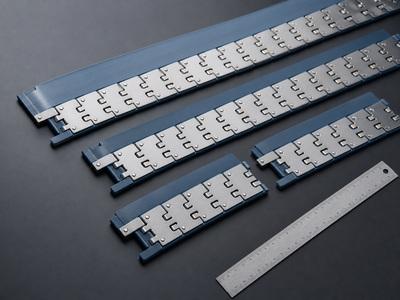
OEM & Custom Strip Lengths
We produce conveyor belt fasteners in custom strip models, sizes, lengths, and materials to to match your exact belt width. OEM branding and packaging are available for distributors and resellers.
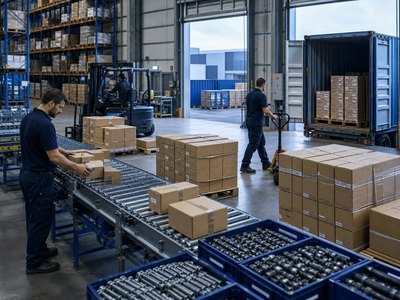
Low MOQ, Global Shipping
With a minimum order quantity as low as 50 boxes, Intake makes it practical for businesses of any size to source mechanical belt fasteners without over-committing to inventory. We ship globally, with a logistics network built to meet tight deadlines.
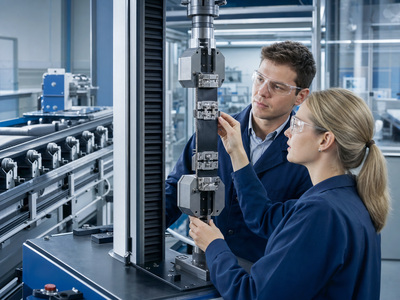
Dedicated R&D Team
Our in-house R&D team continuously refines hook geometry, materials, and joint design, keeping our fastener systems aligned with evolving industry standards.
Competitive Price
Efficient, in-house production keeps our belt fastener pricing competitive without cutting corners on material quality or tensile strength, so you get a reliable joint at a cost that makes sense for your budget.
Get Expert Help Choosing Your Belt Fastener
Still not sure which conveyor belt fasteners are right for your line? Send us your belt thickness, drum diameter, and industry, and our team will recommend the correct fastener model for free.