

Terminology in the industrial sector often overlaps, which can lead to confusion when maintenance teams source hardware for their equipment. At Intake, we frequently hear questions regarding the distinction between broad categories and specific fastening technologies. While many professionals use these terms interchangeably, there are nuances in how these components function within a material handling system. Recognizing these differences helps personnel identify the correct hardware for specific load requirements and belt types.
Defining Conveyor Belt Lacing
Technically, conveyor belt lacing serves as a general term for the mechanical joining of belt ends. It represents the physical connection method where two sides of a belt are linked together to form a loop. This process is intended to facilitate easy installation and repair without requiring extensive vulcanization equipment. We observe that many facilities utilize this method to reduce downtime. Because it acts as an umbrella term, it encompasses various styles and mechanisms designed to handle tension while maintaining belt alignment during operation.
The Role of a Wire Hook Fastening System
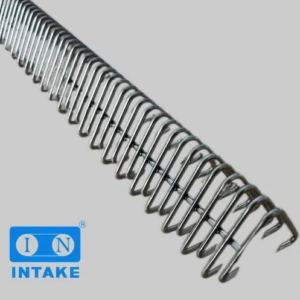
A wire hook fastening system represents a specific type of mechanical hardware used to achieve the lacing effect. These systems consist of individual wire hooks that are pre-mounted on a card, which allows for precise spacing and uniform insertion into the belt. When we process requests at Intake, we emphasize that this specific configuration provides a consistent grip across the splice area. The wire hooks penetrate the belt carcass and are compressed to create a secure, low-profile joint. This design is particularly effective for thinner belts where a flush surface is required to pass over small diameter pulleys.
Comparing Mechanical Differences
When comparing general lacing to a specialized wire hook fastening system, the primary difference lies in the design intent and application capacity. General lacing can refer to a wide variety of hardware, ranging from heavy-duty plate fasteners to lighter hook-style connectors. Conversely, a wire hook system offers a more refined, flexible joint that minimizes impact as it travels over rollers. The choice between these options depends on the thickness of the belt, the abrasive nature of the material, and the tension requirements of the conveyor. Professionals must assess these variables to ensure the mechanical connection supports the intended operational life of the system.
Impact on Maintenance Efficiency
Maintenance routines depend on the accessibility and reliability of the hardware installed on the conveyor. Utilizing a structured wire hook fastening system allows for faster belt repair times, as the pre-carded hooks are designed for rapid application with appropriate lacing tools. We see that by standardizing the hardware used across a facility, maintenance crews can carry a smaller inventory of spare parts while ensuring that every splice meets the same quality standards. Whether using basic lacing or a more advanced hook configuration, the objective remains the same: ensuring that the conveyor continues to transport materials without unexpected breaks. Proper management of these components effectively bridges the gap between downtime and productivity.
In conclusion, distinguishing between the broad concept of lacing and the specific mechanics of a wire hook fastening system is essential for operational success. While the terms relate to the same final goal of joining belt ends, the specific hardware used dictates the performance and durability of the conveyor splice. By evaluating the specific needs of your conveyor equipment, you can implement the most effective joining method for your daily operations. Proper knowledge of these technical details ensures that maintenance remains a predictable and efficient aspect of your industrial workflow, supporting steady output levels over time.