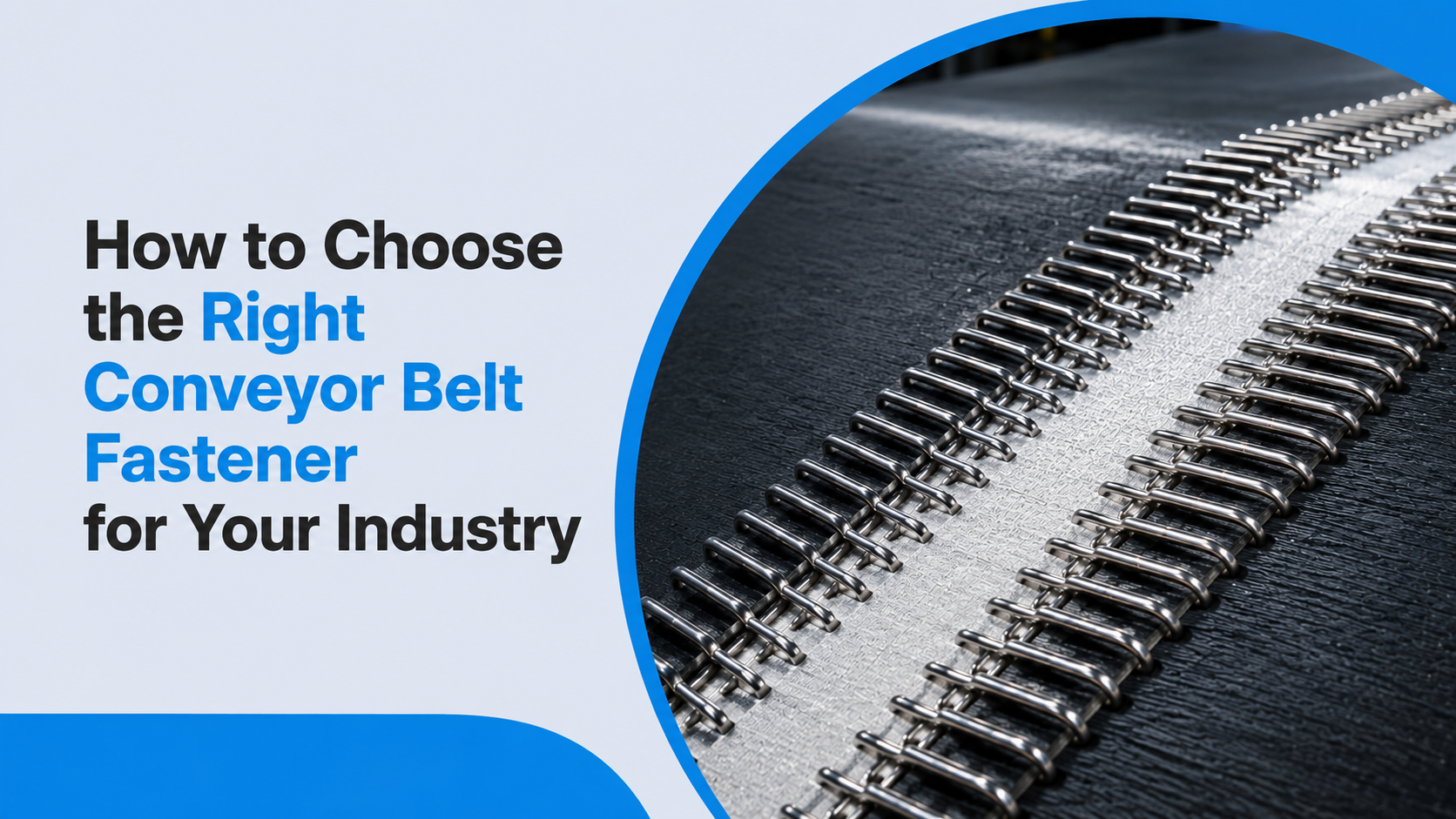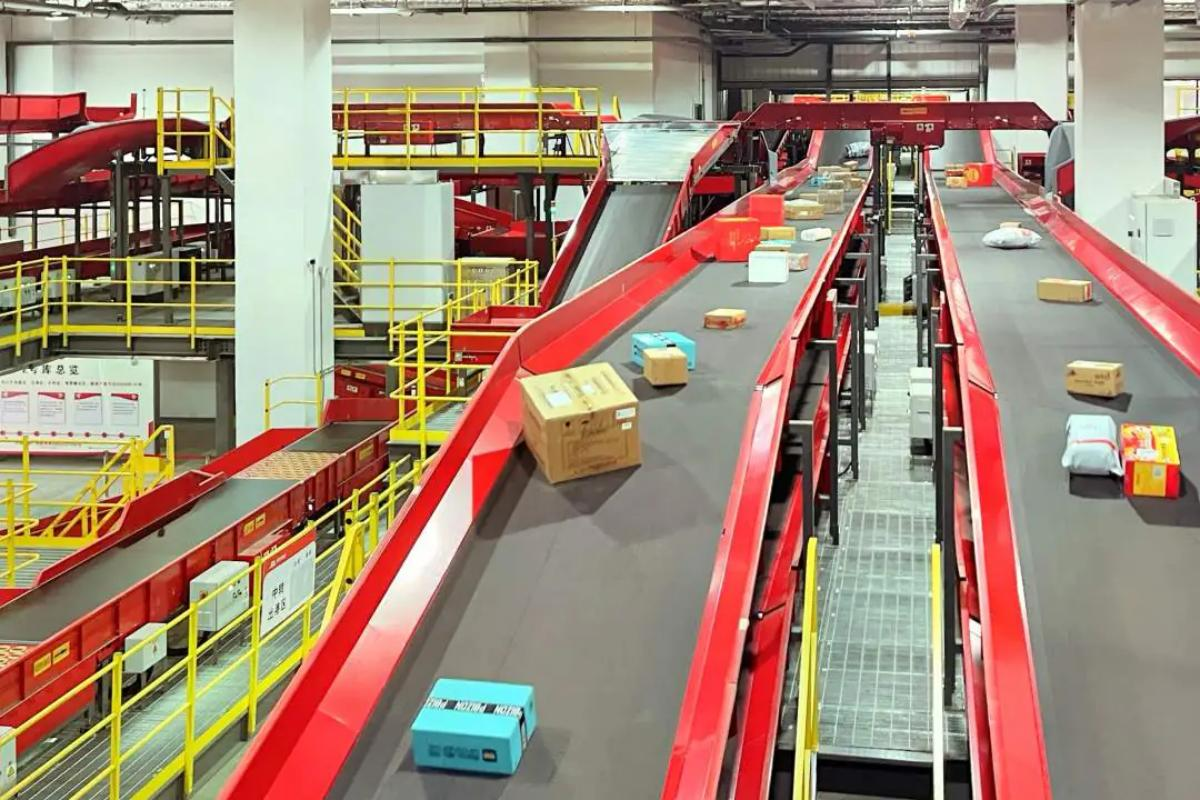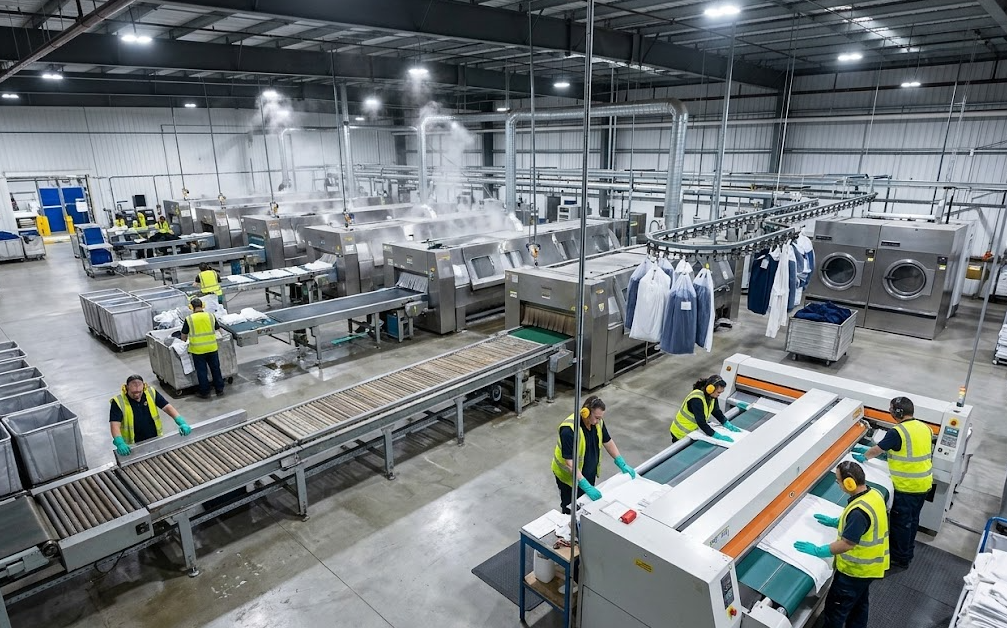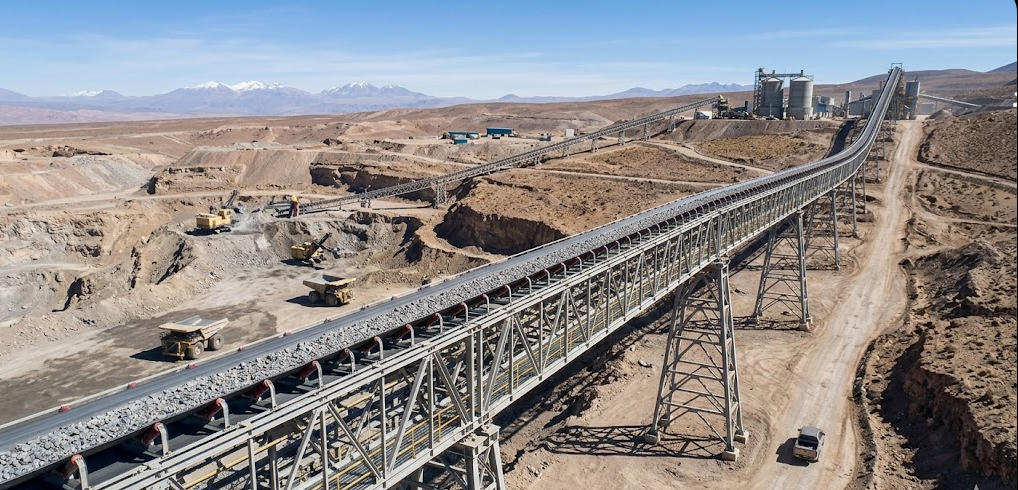
10-what-is-conveyor-belt-lacing-wire-in-mechanical-splicing

What Is Conveyor Belt Lacing Wire in Mechanical Splicing?

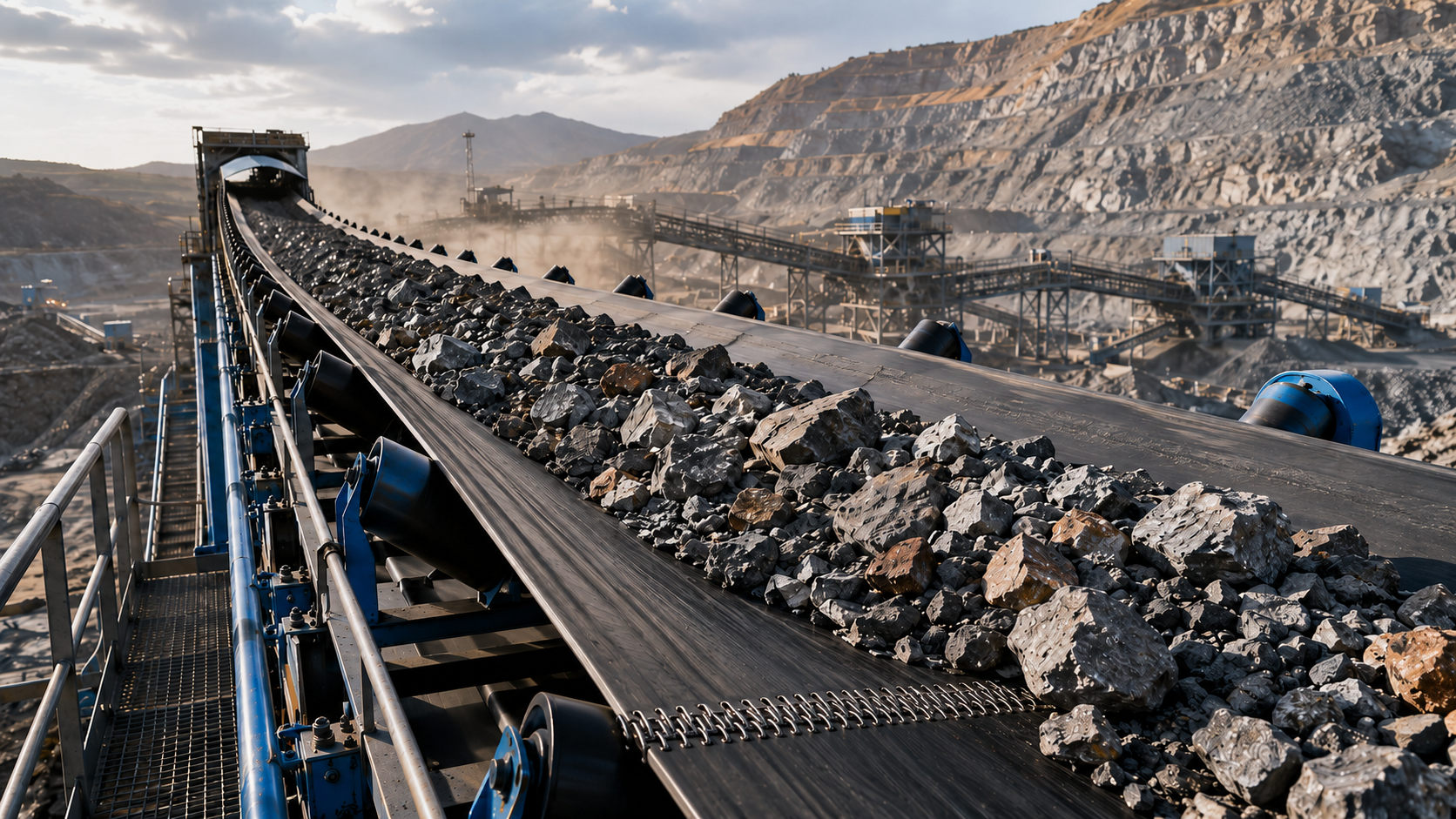
Conveyor systems are widely used in mining, manufacturing, logistics, and material handling industries. During continuous operation, conveyor belts experience movement, tension, and mechanical stress. When belt joints require repair or replacement, selecting a suitable connection method can influence maintenance efficiency and equipment management.

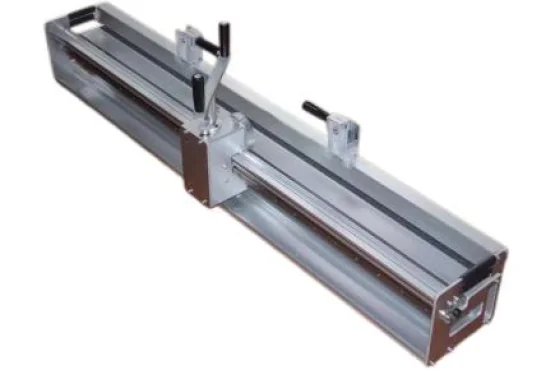
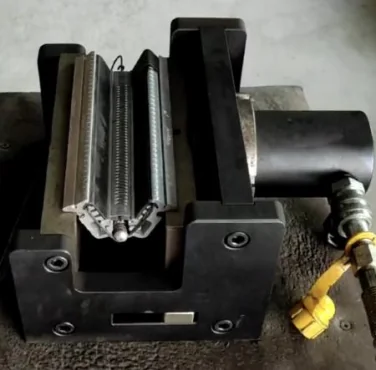
Mechanical splicing is a commonly used method for joining conveyor belt ends through fastening components. Unlike methods that require longer preparation processes, mechanical splicing allows maintenance teams to complete belt connection work with practical installation procedures. Understanding the structure and function of conveyor belt lacing helps distributors and industrial users select suitable components for different applications.


Understanding the Structure of Conveyor Belt Lacing Wire

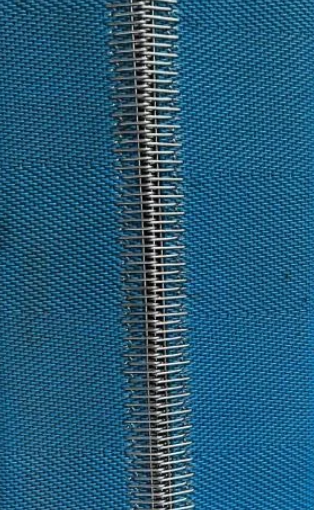
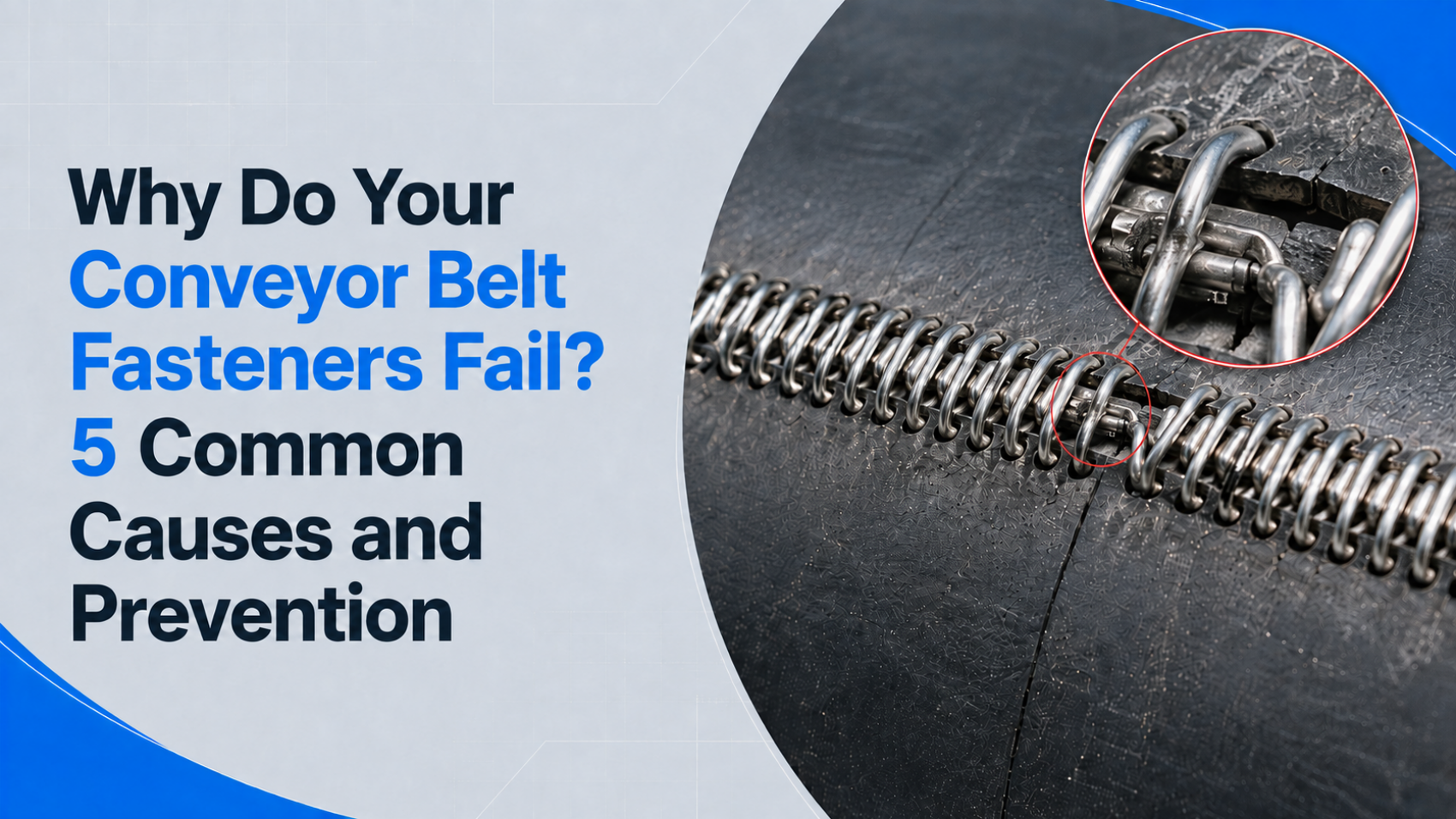
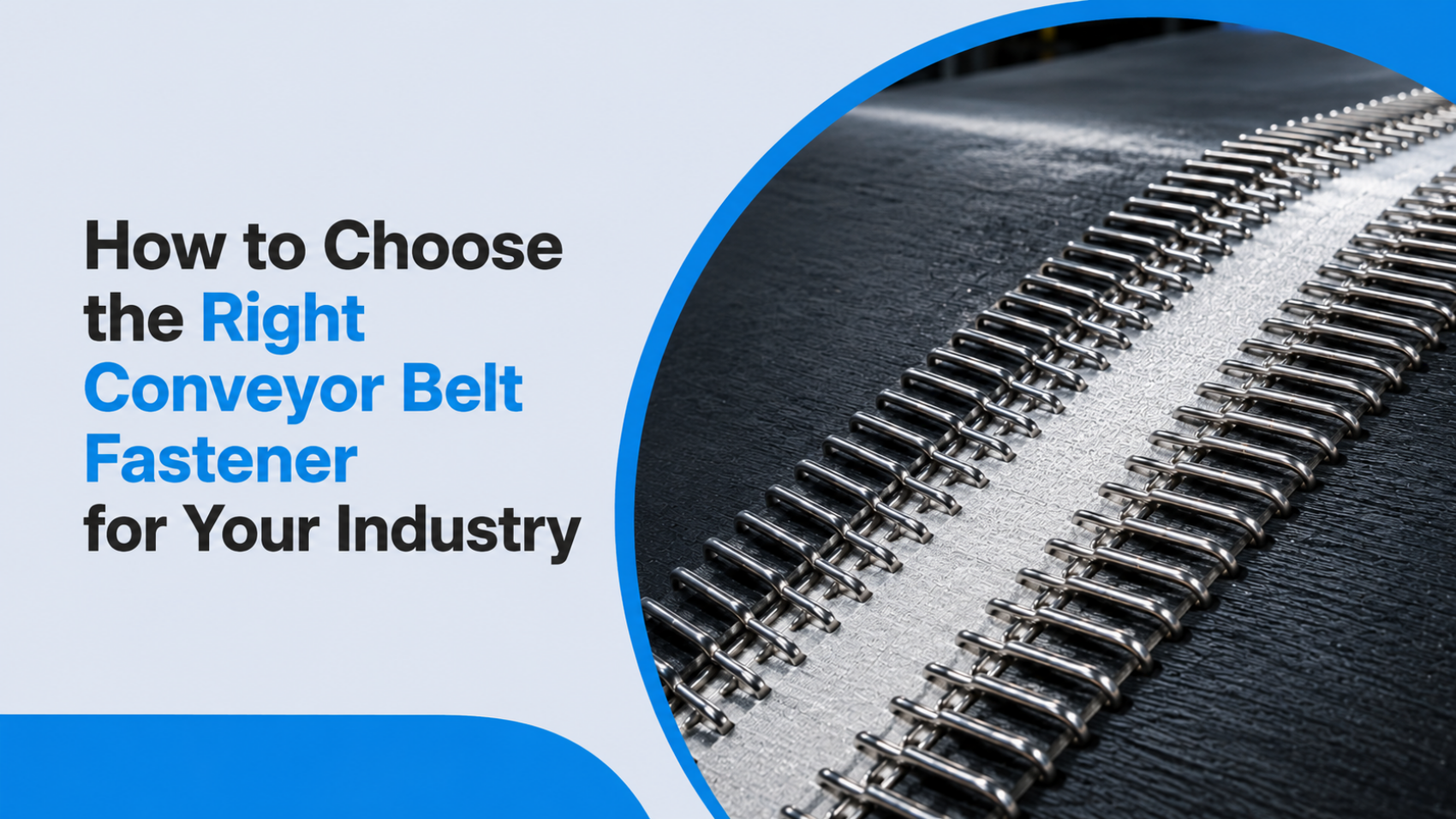
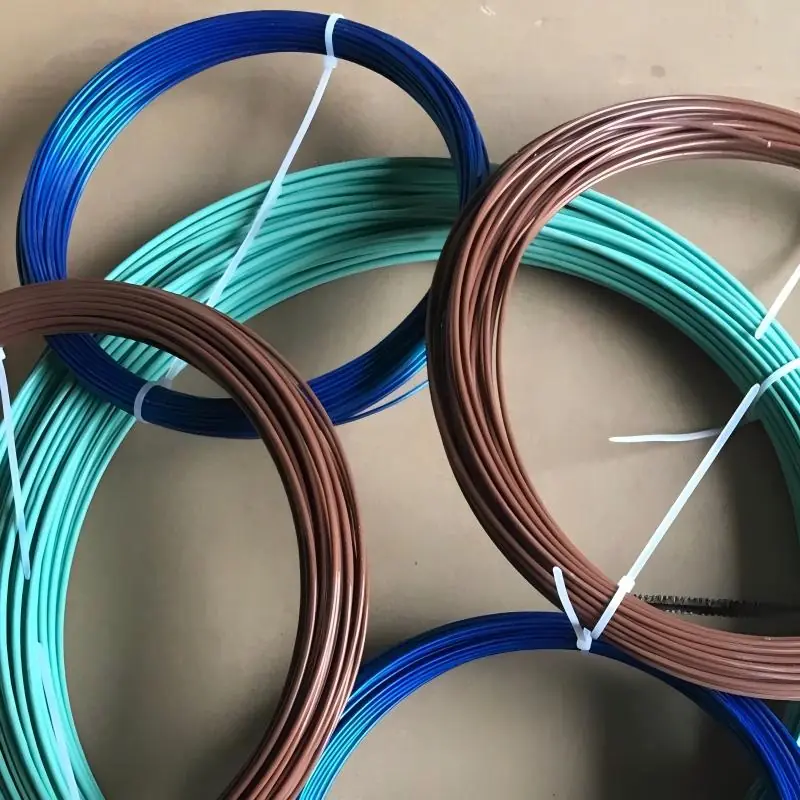
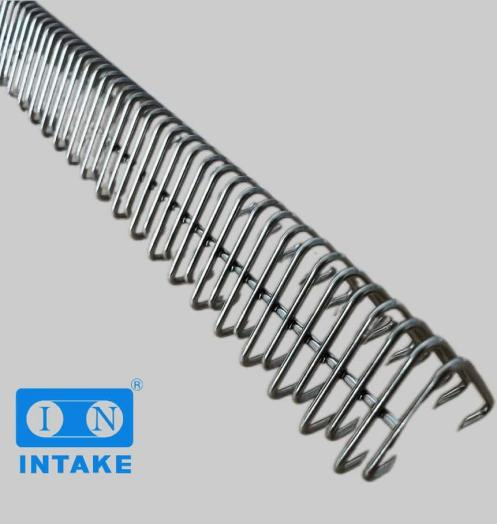
Conveyor belt lacing wire is an important part of mechanical splicing systems. It works together with hooks or fastening components to connect belt sections while allowing the belt to maintain flexibility during movement.

The design of lacing wire depends on several factors, including belt thickness, material type, operating environment, and load requirements. Different conveyor applications may require different fastening structures because working conditions can vary between industries.

For example, mining conveyors may focus more on connection strength under heavy loads, while manufacturing lines may place greater importance on maintenance convenience and stable operation. Proper component selection helps ensure that the fastening system matches the overall conveyor design.


How Material Selection Influences Belt Fastening Performance

Material selection plays an important role in mechanical splicing applications. Conveyor systems may operate in environments involving moisture, dust, vibration, or frequent cleaning. Therefore, buyers need to consider material characteristics based on actual working conditions.

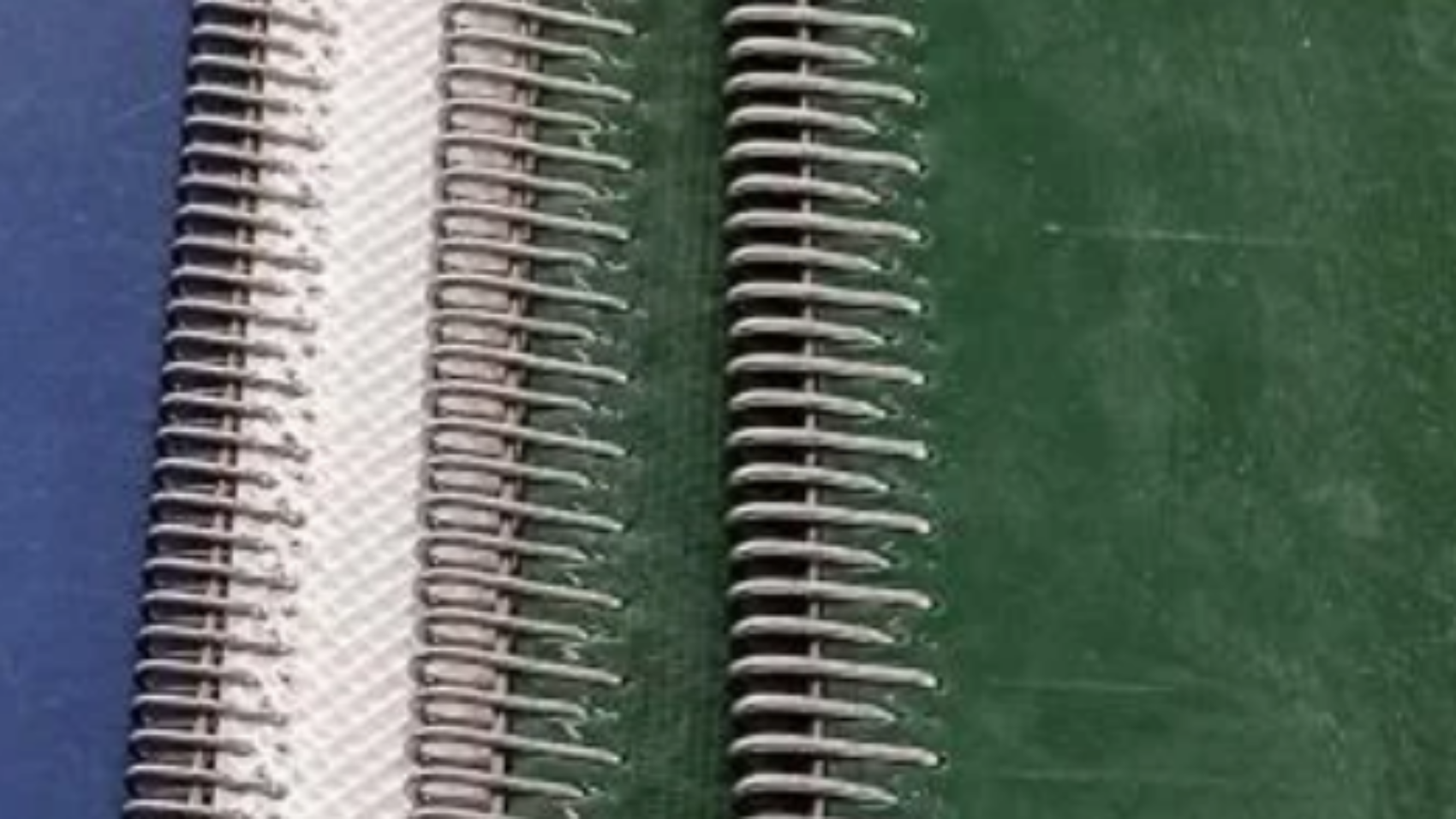
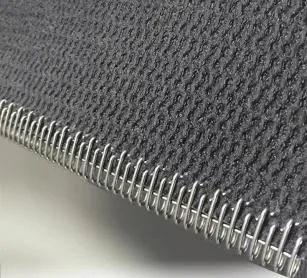
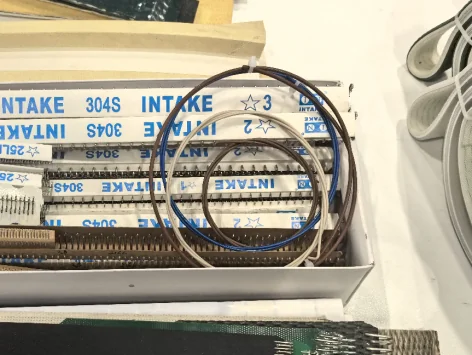
Stainless steel carded hook solutions are often considered for applications that require corrosion resistance and stable mechanical properties. The carded structure helps organize fastening components during installation and provides practical handling advantages for industrial users.

However, material is only one part of the selection process. Buyers should also evaluate belt compatibility, installation requirements, and expected operating conditions before choosing fastening components.

At Intake, we focus on providing application information and fastening solutions for industrial partners. We help distributors and users understand how different components match specific conveyor maintenance requirements.


Choosing Suitable Fastening Components for Different Industries

Different industries may have different expectations for conveyor belt connection systems. Food processing applications may consider cleaning conditions and material compatibility, while bulk handling industries may focus more on mechanical stress and operating environments.

When selecting fastening components, users should review belt structure, connection methods, and maintenance frequency. A suitable fastening system should work together with the conveyor belt instead of being evaluated as an individual component.

A stainless steel carded hook can be suitable for industrial scenarios where material performance and organized installation are important considerations. The final choice depends on application requirements rather than a single standard.


Manufacturing Factors Behind Mechanical Splicing Components

The production process of belt fastening components involves forming accuracy, material control, and quality inspection. These factors influence whether the final components can match conveyor belt requirements during installation.

For industrial buyers, product consistency is an important consideration because distributors and maintenance companies often support different projects. Stable specifications and clear technical information can help reduce difficulties during product selection.

Intake provides belt fastening solutions and technical communication for B2B partners. Our focus is helping customers understand application requirements and evaluate suitable options according to their conveyor systems.


Supporting Better Purchasing Decisions for Distributors

For distributors, selecting belt fastening products requires attention to more than product appearance. Factors such as belt type, working conditions, installation methods, and customer application needs should all be considered.

Providing clear product information and application guidance can help distributors communicate solutions more effectively. Understanding the differences between fastening structures allows partners to recommend more suitable options for different industries.

At Intake, we work with industrial distributors and service partners by sharing product knowledge and application support. We focus on helping customers make practical decisions based on real conveyor requirements.


Improving Conveyor Maintenance Through Suitable Splicing Solutions

Conveyor maintenance depends on the cooperation of different components, including belts, fasteners, and connection systems. Selecting suitable components can help maintenance teams organize repair work and improve operational planning.

The use of conveyor belt lacing systems continues to support industries that rely on material transportation. From manufacturing lines to bulk handling facilities, proper belt connection methods remain an important part of conveyor management. Regular inspection and suitable component selection can also help users identify potential issues earlier and maintain more consistent conveyor performance during daily operations.


Conclusion: Selecting Suitable Components for Mechanical Splicing

Choosing suitable mechanical splicing components requires consideration of belt structure, material characteristics, operating environment, and maintenance requirements. A well-matched fastening system can support more efficient conveyor maintenance and reduce unnecessary adjustments.

By understanding the role of conveyor belt lacing and the application value of stainless steel carded hook, industrial users and distributors can make more informed decisions. Intake continues to provide practical fastening solutions and application support for partners with different conveyor requirements.

9-steel-wire-hook-belt-lacing-for-industrial-conveyors

Steel Wire Hook Belt Lacing for Industrial Conveyors

Industrial conveyor systems are used in mining, manufacturing, logistics, recycling, and material handling applications where continuous material transportation is required. During operation, conveyor belts experience repeated movement, tension changes, and mechanical stress. Because belt joints directly influence maintenance efficiency, selecting a suitable connection method is an important part of conveyor management.

Steel wire hook belt lacing is one common connection method used to join conveyor belt ends. Its structure allows belt sections to be connected through fastening components while maintaining flexibility during movement. Understanding how this system works can help maintenance teams and distributors select suitable solutions according to different application conditions.


Understanding the Structure of Wire Hook Belt Lacing

A belt lacing system connects two belt ends through mechanical fastening components. Wire hook designs are commonly used because they can provide a practical connection method for industrial belt repair and replacement.

The structure of the hook allows the fastener to engage with the belt edge while maintaining movement flexibility. This makes it suitable for applications where conveyor belts require regular inspection, maintenance, or replacement.

When evaluating conveyor belt lacing, buyers should consider factors such as belt thickness, belt material, operating tension, and maintenance requirements. A suitable lacing system should match the conveyor structure instead of being selected only according to product appearance.

Different industries may have different expectations. Heavy-duty material handling systems may focus on connection strength, while manufacturing or packaging applications may place more importance on maintenance convenience.


How Material Selection Influences Belt Connection Performance

Material selection is an important consideration when choosing belt connection components. Conveyor systems may operate in environments involving moisture, dust, vibration, and repeated mechanical loading. Therefore, buyers should evaluate material characteristics based on actual working conditions.

Stainless steel fasteners are commonly considered for applications that require corrosion resistance and stable mechanical performance. The choice of material should also match factors such as belt environment, cleaning requirements, and expected service conditions.

For industrial users, material is only one part of the selection process. Buyers should also review fastener structure, compatibility with the belt, and installation requirements before making purchasing decisions.

At Intake, we provide belt fastening solutions and application guidance for distributors and industrial partners. Our focus is helping customers understand how different components fit into their conveyor maintenance processes.


Choosing Suitable Belt Fasteners for Industrial Applications

Different conveyor systems may require different fastening designs. Factors such as belt structure, operating environment, and maintenance frequency influence which connection method is suitable.

For example, conveyors used in outdoor environments may need components that can handle changing conditions, while indoor production lines may focus more on stable operation and maintenance efficiency.

Our Reinforced Wire Hook Belt Fastener is designed for industrial belt connection applications. Instead of focusing only on product specifications, we help partners evaluate whether a fastening solution matches their actual conveyor requirements.

When selecting stainless steel fasteners, buyers should consider not only material properties but also the overall connection system. Proper matching between fasteners and belt structure can support smoother installation and maintenance processes.


Evaluating Belt Compatibility Before Selection

Selecting a suitable belt lacing system requires a clear understanding of the conveyor structure and operating conditions. Factors such as belt thickness, belt material, tension level, and working environment can influence connection performance.

Before choosing fastening components, users should confirm whether the lacing design matches the existing conveyor belt system. Proper compatibility helps reduce installation difficulties and supports more stable operation during daily use.

Different industries may also have different requirements for belt connections. Mining and bulk handling systems usually focus on connection strength and wear resistance, while manufacturing applications may place more attention on maintenance convenience and operating flexibility. Reviewing these factors before purchase can help users select more suitable fastening solutions.

For distributors and maintenance companies, understanding these application differences is also important when recommending products to customers. Clear technical information and practical application knowledge can help partners make more suitable decisions.


Supporting Industrial Partners with Practical Solutions

For B2B buyers, choosing a supplier involves more than reviewing individual product details. Manufacturing capability, technical communication, customization support, and product knowledge can influence long-term cooperation.

Industrial distributors often serve customers from different industries, so suppliers need to understand various application requirements. Providing clear product information helps partners compare options and recommend suitable solutions.

At Intake, we work with distributors, engineering companies, and industrial users by sharing application information and supporting product discussions. Our goal is to help partners understand fastening requirements and make practical purchasing decisions.


Conclusion: Selecting Suitable Belt Lacing Solutions

Choosing suitable belt connection components requires consideration of belt structure, working environment, material characteristics, and maintenance requirements. A well-matched fastening system can support better conveyor management and improve repair planning.

For industrial applications, stainless steel fasteners and suitable lacing designs should be selected according to actual operating conditions. Through application-focused support and practical product solutions, Intake helps partners evaluate suitable conveyor belt lacing options for different conveyor maintenance needs.

8-conveyor-belt-hinge-pin-applications-in-industrial-belt-main

Conveyor Belt Hinge Pin Applications in Industrial Belt Maintenance

Conveyor systems are widely used in manufacturing, logistics, food processing, packaging, and material handling industries. During continuous operation, belts experience repeated movement, tension changes, and mechanical stress. To maintain stable performance, each connection component needs to match the overall belt structure and working environment.

Among these components, hinge pins play an important role in maintaining belt connections. A suitable conveyor belt hinge pin connects laced belt sections while allowing flexible movement during operation. Understanding its function, material characteristics, and application requirements helps maintenance teams make more suitable decisions when selecting conveyor components.


Understanding the Role of Hinge Pins in Conveyor Systems

A hinge pin is a connecting component used in conveyor belt lacing systems. It passes through the laced belt ends and helps maintain the connection between belt sections while allowing the joint to move with the conveyor.

Different industries may have different requirements for conveyor connection components. Manufacturing systems often focus on continuous operation, while food processing equipment may pay more attention to cleaning conditions and material suitability. Logistics applications may prioritize maintenance convenience and replacement efficiency.

When selecting a conveyor belt hinge pin, buyers should consider several factors, including lacing system compatibility, belt thickness, pin dimensions, operating conditions, and expected service environment. Proper matching between components can help reduce installation issues and support more efficient maintenance planning.


How Material Selection Influences Hinge Pin Performance

Material selection is an important consideration when evaluating conveyor connection components. Different materials provide different characteristics depending on working conditions, load requirements, and maintenance expectations.

Metal hinge pins are commonly selected for applications that require mechanical strength and stable performance under repeated loads. Stainless steel options may be suitable for environments where corrosion resistance is an important factor.

A nylon hinge pin can be considered for applications where lightweight construction, reduced friction, or specific material requirements are preferred. However, the final choice depends on operating temperature, mechanical stress, cleaning methods, and conveyor design.

At Intake, we focus on helping industrial partners understand different application requirements. We provide product information and technical communication to support distributors and equipment suppliers when evaluating suitable conveyor components.


Choosing Suitable Hinge Pins for Different Industrial Applications

Different industries may require different hinge pin solutions. Food processing equipment, for example, may have specific requirements related to hygiene and regular cleaning. Packaging and manufacturing systems may focus more on continuous movement and maintenance convenience.

When choosing a nylon hinge pin, users should evaluate whether the material characteristics match the actual operating environment. Factors such as belt movement frequency, load conditions, temperature range, and replacement requirements can influence component selection.

For heavy-duty conveyor applications, buyers may place greater importance on connection strength and wear resistance. For lighter-duty systems, flexibility and maintenance efficiency may become more important considerations.

Understanding these differences allows businesses to select components based on practical application needs instead of relying only on general specifications.


Maintenance Considerations for Conveyor Belt Connection Components

Regular inspection is an important part of conveyor maintenance. Operators usually check belt joints, lacing components, and connection parts to identify signs of wear, misalignment, or improper fitting.

A properly selected conveyor belt hinge pin should match the belt connection structure and working environment. Buyers should also confirm product dimensions and compatibility with existing lacing systems before making purchasing decisions.

For industrial users, maintenance planning should consider the complete conveyor system rather than a single component. Belt condition, operating environment, and replacement schedules all influence long-term equipment management.

At Intake, we support distributors and industrial partners by sharing application information and product guidance. Our focus is helping customers better understand connection requirements for different conveyor systems.

Regular maintenance records can also help users identify wear trends and improve replacement planning. By reviewing operating conditions, inspection results, and component performance, maintenance teams can make more informed decisions about future repairs. This approach helps create a more organized maintenance process and supports better management of conveyor system operations.


Supporting Better Decisions for Industrial Applications

For B2B buyers, selecting suitable conveyor components involves more than reviewing individual specifications. Product knowledge, technical communication, and application understanding can influence long-term cooperation.

Different customers may have different requirements depending on their equipment conditions and industries. Suppliers that understand these differences can help partners evaluate suitable options and provide more practical recommendations.

We work with industrial partners by sharing product information and application experience. This approach helps customers understand how different hinge pin options fit into their conveyor maintenance processes.


Conclusion: Selecting Suitable Hinge Pins for Conveyor Maintenance

Choosing the right hinge pin requires consideration of belt structure, material characteristics, operating conditions, and maintenance requirements. Different conveyor applications may require different solutions, so understanding component functions is an important part of equipment planning.

A suitable nylon hinge pin or metal alternative should be selected according to the conveyor system design and actual working environment. By evaluating compatibility, application needs, and maintenance conditions, businesses can make more informed decisions for industrial conveyor operations.

7-how-to-choose-hinge-pins-for-conveyor-belt-lacing-systems

How to Choose Hinge Pins for Conveyor Belt Lacing Systems

Conveyor belt lacing systems rely on multiple components working together to maintain stable belt connections. Among these components, hinge pins play an important role because they connect laced belt ends and allow the belt joint to move during operation.

In industries such as mining, manufacturing, logistics, and bulk material handling, conveyor systems often operate under continuous loads and demanding conditions. Choosing suitable connection components requires attention to belt structure, working environment, and maintenance requirements. Understanding the function of a conveyor belt hinge pin helps buyers evaluate suitable connection solutions before making purchasing decisions.


Understanding the Role of Hinge Pins in Conveyor Belt Connections

A hinge pin connects the two sides of a laced conveyor belt joint and supports the connection during belt movement. It works together with the lacing system to maintain joint flexibility while allowing easier installation and maintenance.

When selecting a conveyor belt hinge pin, buyers should consider compatibility with the existing lacing system. Factors such as pin size, belt thickness, connection design, and operating conditions can influence whether the component is suitable for a specific conveyor application.

A suitable hinge pin should match the overall belt system rather than being selected only according to appearance or price. Proper matching can help maintenance teams reduce installation difficulties and improve repair planning.


Key Factors for Selecting the Right Hinge Pin

Material selection is an important consideration when purchasing conveyor connection components. Conveyor systems may operate in environments involving moisture, dust, vibration, and repeated mechanical stress. The selected material should match the actual conditions where the equipment is used.

Stainless steel options are commonly considered for applications that require corrosion resistance and stable mechanical performance. However, material is only one part of the selection process. Buyers should also review dimensions, connection requirements, and expected operating conditions.

At Intake, we provide hinge pin solutions based on different industrial requirements. We communicate with distributors and maintenance partners to understand application conditions and provide suitable product information.


Choosing Hinge Pins for Heavy-Duty Conveyor Applications

Heavy industrial environments such as mining and quarrying often place higher demands on conveyor connection components. These systems may transport heavy materials while operating for long periods under vibration, impact, and repeated loading.

A heavy duty hinge pin should be selected according to belt structure, lacing design, and operating requirements. Buyers should review whether the pin matches the connection system and supports the intended working environment.

For industries with continuous operation requirements, choosing a heavy duty hinge pin that matches the belt lacing system can support more stable maintenance planning. Regular inspection of connection components is also important because it helps users identify wear conditions and arrange maintenance work in advance.

Different industries may have different expectations. A conveyor used for bulk material handling may require different considerations compared with a system used in light manufacturing environments.


How Supplier Support Influences Purchasing Decisions

For industrial buyers, selecting a supplier involves more than checking individual product specifications. Manufacturing capability, technical communication, customization support, and product knowledge can all influence long-term cooperation.

Distributors often need to support customers with different conveyor systems. A supplier that understands application differences can provide more practical recommendations and help partners respond to various market requirements.

At Intake, we support business partners through product communication, application guidance, and customized options. Our focus is helping customers understand how connection components fit into complete conveyor belt systems.


Improving Maintenance Efficiency Through Suitable Component Selection

Conveyor maintenance depends on the cooperation between different components, including belts, lacing systems, and connection parts. Choosing suitable components can help maintenance teams organize repair work more effectively.

A properly selected conveyor belt hinge pin should match the belt connection design and operating environment. Buyers should review product compatibility, material requirements, and maintenance expectations before making purchasing decisions.

For distributors and industrial users, understanding component functions can improve product selection and reduce unnecessary adjustments during installation.


Supporting Industrial Applications with Practical Solutions

Industrial projects often involve different equipment conditions and application requirements. Standard products may meet common needs, while some projects may require customized support based on specific conveyor designs.

At Intake, we continue to provide hinge pin solutions and technical communication for industrial partners. We help distributors and maintenance companies evaluate suitable options according to belt systems, working environments, and project requirements.


Conclusion: Selecting Suitable Hinge Pins for Conveyor Systems

Choosing the right hinge pin requires consideration of belt compatibility, material performance, operating conditions, and supplier support. For demanding conveyor applications, the correct component selection can support more efficient maintenance planning and help reduce unnecessary adjustments during future repair work.

A suitable heavy duty hinge pin solution should match the conveyor system design and actual working environment. Through practical product support and application-focused communication, we help industrial partners select suitable conveyor connection components for different maintenance needs while improving their understanding of product selection and system requirements.

6-choosing-the-right-hydraulic-belt-fastener-machine-and-conve

Choosing the Right Hydraulic Belt Fastener Machine and Conveyor Belting Tools for Industrial Conveyors

Industrial conveyor systems are widely used in mining, manufacturing, logistics, and material handling industries. During daily operation, conveyor belts may require installation, replacement, or repair due to continuous movement and mechanical stress. Selecting suitable maintenance equipment can influence repair efficiency, installation quality, and long-term belt management.

Different conveyor applications have different requirements. Belt thickness, belt material, operating conditions, and maintenance frequency all affect equipment selection. Understanding the function of different tools helps users choose suitable solutions instead of focusing only on product specifications. At Intake, we provide practical fastening solutions for distributors, maintenance companies, and industrial users based on different application needs.


Understanding Belt Connection Requirements Before Selecting Equipment

Before choosing conveyor maintenance equipment, users should first evaluate the working environment and belt structure. Different conveyor systems may use different belt materials and connection methods, which means the same tool may not be suitable for every application.

For example, heavy-duty conveyors used in mining may require equipment that can handle higher tension and frequent maintenance. In contrast, smaller industrial systems may focus more on installation flexibility and ease of operation.

A complete belt maintenance process involves more than a single machine. Operators need to consider fastening methods, installation procedures, and regular inspection requirements. Choosing equipment that matches the actual working environment can help improve maintenance planning.


How a Hydraulic Belt Fastener Machine Supports Belt Installation

A hydraulic belt fastener machine uses hydraulic pressure to assist the fastening process. Compared with manual methods, hydraulic equipment can provide more controlled pressure during installation, helping operators complete fastening work with greater consistency.

This type of equipment is often used in industrial environments where conveyor belts require regular repair or replacement. When selecting a hydraulic system, buyers should consider factors such as belt specifications, fastener compatibility, operating frequency, and user experience.

At Intake, we focus on developing practical equipment solutions for industrial applications. We provide product information and application guidance to help partners understand how hydraulic fastening equipment fits different conveyor maintenance requirements.


Comparing Different Conveyor Maintenance Tools

Conveyor maintenance involves different types of equipment depending on the repair situation. Conveyor belting tools may include fastening machines, lacing equipment, and related accessories used during belt joining and repair processes.

Different tools have different functions. Some equipment is designed for regular workshop operations, while others are used for field maintenance where flexibility is important. Buyers should compare tool structure, operation methods, and compatibility with existing conveyor systems.

For distributors and service companies, understanding these differences is important when recommending products to customers. The right combination of equipment can support more efficient maintenance workflows.


The Role of Manual Lacing Equipment in Belt Repair

Manual lacing equipment is commonly used for conveyor belt connection tasks where operators need direct control during installation. These tools are often considered for workshops, maintenance teams, and repair environments that require practical operation methods.

Compared with automated equipment, manual tools may provide flexibility for certain repair situations. However, users still need to select suitable tools based on belt type, fastening requirements, and working conditions.

At Intake, we support partners by providing product information and technical communication. Our goal is to help industrial customers understand how different fastening solutions can match their application requirements.


Factors Buyers Should Consider When Choosing Equipment

When purchasing conveyor maintenance equipment, industrial buyers usually evaluate several factors together. Product compatibility, manufacturing quality, operation convenience, and supplier support can all influence the final decision.

For distributors, customization ability and communication support may also be important because customers from different industries often have different requirements. A supplier that understands application differences can provide more suitable recommendations.

As a provider of industrial fastening solutions, Intake works with business partners to discuss product applications and equipment requirements. We focus on helping customers select solutions based on actual working conditions.


Improving Maintenance Efficiency Through Suitable Tool Selection

Effective conveyor maintenance depends on suitable equipment, correct installation methods, and proper operating procedures. Even high-quality tools need to match the belt system and working environment to achieve better results.

For industrial users, selecting suitable conveyor belting tools is part of improving maintenance organization. Clear product information and technical guidance can help operators better understand equipment functions and application methods.

At Intake, we continue to support distributors and maintenance partners through product development and technical communication. We help customers evaluate different fastening options according to their conveyor applications.


Conclusion: Selecting Practical Equipment for Conveyor Belt Applications

Choosing the right conveyor maintenance equipment requires attention to belt conditions, operating environments, and repair requirements. A suitable tool should support efficient installation while matching the needs of professional users.

A hydraulic belt fastener machine combined with suitable conveyor belting tools can help maintenance teams improve repair processes and manage different conveyor applications more effectively. At Intake, we continue to provide practical fastening solutions and application support for industrial partners seeking suitable conveyor maintenance equipment.

5-hydraulic-machine-system-for-conveyor-belt-fastener-installa

Hydraulic Machine System for Conveyor Belt Fastener Installation

Conveyor belt systems are widely used in mining, manufacturing, logistics, and bulk material handling. During long-term operation, belt joints may require repair or replacement due to wear, tension changes, or regular maintenance needs. In these situations, suitable installation equipment can help maintenance teams complete fastening work more efficiently and maintain stable conveyor operation.

Hydraulic installation systems are designed to provide controlled pressure during belt joining processes. Compared with manual installation methods, hydraulic equipment can offer a more consistent operating process when working with suitable fasteners. Understanding how these systems work helps industrial users choose equipment based on belt conditions, maintenance requirements, and application environments.


Understanding the Working Principle of Hydraulic Belt Fastener Equipment

A hydraulic system uses pressure generated through hydraulic components to assist fastening operations. During conveyor belt repair, this controlled force helps operators install fasteners more evenly and complete connection work according to equipment requirements.

A hydraulic belt fastener machine is commonly used in industrial maintenance situations where conveyor belts require regular joining or repair. The equipment works together with suitable fastening components to connect belt ends and support maintenance processes.

Before selecting hydraulic installation equipment, users should consider several factors, including belt thickness, fastener type, working environment, and operating frequency. Different conveyor systems may have different requirements, so equipment selection should be based on actual application conditions.

At Intake, we focus on providing practical belt joining solutions for industrial partners. We support customers by sharing product information and application guidance to help them better understand equipment selection.


The Role of Belt Lacing Machines in Conveyor Maintenance

A belt lacing machine is an important tool used in conveyor belt connection work. It helps install fastening components onto belt ends and supports maintenance teams during repair operations.

In industries such as mining, agriculture, logistics, and manufacturing, conveyor belts often operate under continuous working conditions. When belt joints require attention, maintenance teams need equipment that matches their workflow and repair requirements.

When choosing a belt lacing machine, buyers should evaluate factors such as equipment compatibility, operation method, and maintenance convenience. A suitable machine should work effectively with the selected fasteners and match the specific belt structure.

Different applications may require different fastening methods. Heavy-duty conveyor systems may focus more on connection strength, while other applications may place more importance on installation flexibility and maintenance efficiency.


Key Factors When Selecting Conveyor Belt Installation Equipment

Choosing suitable belt installation equipment requires more consideration than machine specifications alone. Buyers should evaluate hydraulic performance, fastener compatibility, operation process, and long-term usability.

The working environment is also an important factor. Conveyor systems used in industrial facilities may face dust, vibration, moisture, and repeated mechanical stress. Equipment designed for these conditions can better match practical maintenance needs.

As an industrial solution provider, Intake works with distributors and maintenance partners to understand different application requirements. Our focus is on helping customers evaluate suitable equipment options according to their conveyor systems.


Configuration and Application Considerations for Different Belt Requirements

Different conveyor belts may require different fastening configurations. Factors such as belt structure, fastener size, and installation conditions can influence equipment selection.

The hydraulic belt fastener machine supplied by Intake supports different fastening applications, including wire buckle installation requirements. The equipment is designed around practical operation needs and helps users understand the relationship between machine functions and belt maintenance processes.

For industrial distributors, understanding application differences is important when developing product solutions for customers. Equipment selection should consider not only the machine itself but also how it fits into daily maintenance procedures.

Providing technical information and application guidance can help partners communicate product functions more clearly and support better purchasing decisions.


Supporting Industrial Users with Practical Maintenance Solutions

For B2B customers, equipment selection is often connected with long-term maintenance planning. A suitable supplier should provide clear communication, technical support, and solutions based on different application scenarios.

Maintenance teams usually need equipment that is easy to understand and suitable for their working environment. Clear operating methods and practical guidance can help users improve installation procedures and reduce unnecessary difficulties during repair work.

At Intake, we continue to support industrial partners through product development, application communication, and customized solutions. We focus on helping distributors and professional users understand equipment characteristics and select suitable options.


Conclusion: Choosing Suitable Hydraulic Installation Solutions

Selecting conveyor belt installation equipment requires attention to belt conditions, fastening requirements, working environments, and maintenance processes. Hydraulic systems and related tools can provide practical support when they match specific application needs. These factors help users evaluate whether equipment can fit their daily repair procedures and long-term maintenance plans.

A suitable hydraulic belt fastener machine combined with the right belt lacing machine can help maintenance teams organize repair work more effectively. At Intake, we continue to provide practical fastening solutions and technical support for industrial partners seeking suitable conveyor belt maintenance equipment. By understanding different application scenarios, we help customers make more informed choices for their conveyor maintenance requirements.

4-conveyor-belt-fasteners-for-mining-quarrying-and-bulk-materi

Conveyor Belt Fasteners for Mining, Quarrying, and Bulk Material Handling

Mining, quarrying, and bulk material handling operations rely on conveyor systems to move large amounts of materials efficiently. These environments often involve heavy loads, vibration, dust, and continuous operation, which can place pressure on conveyor belts and their connection points. Selecting suitable belt fastening solutions is an important part of conveyor maintenance planning.

Conveyor belt fasteners are used to join belt sections during installation, repair, or replacement. The right fastening method depends on several factors, including belt thickness, belt material, operating conditions, and maintenance requirements. As a conveyor belt fastener manufacturer, we understand that industrial buyers need solutions that match their specific application environments rather than simple standard options.


Understanding Conveyor Belt Connection Requirements in Heavy Industries

Conveyor systems in mining and quarrying applications often transport materials such as minerals, rocks, and aggregates. During operation, belts may experience repeated tension, impact from materials, and exposure to outdoor conditions. These factors can influence the performance requirements of connection components.

Before selecting belt fasteners, buyers should evaluate the actual working environment. Belt thickness, conveyor speed, material load, and maintenance frequency can all affect the suitability of different fastening designs. The selection process should also consider how often the conveyor operates and whether maintenance teams need to perform frequent repairs in challenging conditions.

For example, a conveyor used in a quarry may need to consider exposure to dust and weather changes, while a mining conveyor may focus more on connection strength under heavy loads. Understanding these differences helps maintenance teams select more suitable fastening options. It also allows operators to plan maintenance activities according to real operating conditions and reduce unnecessary adjustments during equipment service.


Comparing Fastening Methods for Different Conveyor Applications

Different conveyor systems may require different connection methods. Mechanical fastening is often considered for repair situations where maintenance teams need practical installation and replacement processes.

When evaluating mechanical fasteners for conveyor belt applications, buyers should consider compatibility between the fastener and the belt structure. Factors such as belt material, operating tension, and installation requirements can influence connection performance.

Unlike some joining methods that require longer preparation procedures, mechanical fastening allows maintenance teams to install components directly at the repair location when the application is suitable. This makes it a practical option for industries where maintenance flexibility is important.

At Intake, we provide fastening solutions and application guidance for industrial partners. We help distributors and users understand product characteristics and select suitable options according to different conveyor requirements.


Material Selection and Manufacturing Quality Considerations

The material and manufacturing process of belt fasteners can influence their performance in industrial environments. Conveyor systems may operate under conditions involving moisture, dust, vibration, and repeated mechanical stress.

Buyers should consider material properties based on their working conditions. Different applications may require different levels of corrosion resistance, wear performance, and connection strength.

Manufacturing consistency is also important for long-term supply. Distributors and maintenance companies often need stable product specifications when supporting customers across different projects.

As a conveyor belt fastener manufacturer, we focus on production control, product consistency, and application requirements. Our approach is designed around helping industrial customers find fastening solutions that match practical operating conditions.


Factors Buyers Should Consider When Choosing a Supplier

For industrial buyers, supplier selection involves more than comparing product prices. Manufacturing capability, technical communication, customization support, and service response are also important factors.

Distributors often work with customers from different industries, so flexible cooperation can help them respond to various application requirements. Suppliers that provide clear product information and technical guidance can support better decision-making.

When working with suppliers of mechanical fasteners for conveyor belt, buyers should evaluate whether they understand different conveyor environments and can provide suitable recommendations based on actual usage conditions.

At Intake, we support business partners through product communication, application discussions, and customized solutions. Our goal is to help customers understand fastening requirements and develop suitable options for their markets.


Improving Conveyor Maintenance Through Suitable Fastener Selection

A suitable fastening system is only one part of effective conveyor maintenance. Proper installation, regular inspection, and correct product matching all influence the long-term operation of conveyor systems.

For mining, quarrying, and bulk material handling industries, selecting fasteners based on actual application needs can help maintenance teams create more practical repair plans. Buyers should consider the complete usage process instead of focusing only on initial purchasing costs.


Conclusion: Selecting the Right Fastening Solution for Industrial Applications

Conveyor belt fasteners play an important role in maintaining material transportation systems. For heavy-duty industries, suitable product selection requires attention to belt compatibility, operating conditions, installation requirements, and supplier capability.

As a conveyor belt fastener manufacturer, Intake continues to provide fastening solutions and technical support for industrial partners. Understanding product structure and application requirements is essential when choosing mechanical fasteners for conveyor belts systems, helping businesses make more suitable decisions for different maintenance scenarios.

3-what-is-a-mechanical-belt-splice-in-conveyor-belt-repair

What Is a Mechanical Belt Splice in Conveyor Belt Repair?

Conveyor belts play an important role in industries such as mining, logistics, recycling, agriculture, and manufacturing. During continuous operation, belts may experience wear, tearing, or joint damage due to heavy loads and repeated movement. When repair is needed, choosing a suitable connection method can influence maintenance efficiency and future operation stability.

A mechanical belt splice is a method used to connect two conveyor belt ends through mechanical components rather than traditional bonding processes. This repair approach allows maintenance teams to create a physical connection between belt sections and is often considered for applications where installation flexibility and repair efficiency are important.


How Does a Mechanical Belt Splice Work?

A mechanical splice uses fastening components installed across the belt joint area to hold two belt ends together. During installation, the fasteners are attached to both sides of the belt, creating a connection that allows the conveyor system to continue operating.

The working principle is based on mechanical holding force rather than chemical bonding. Because of this structure, maintenance teams can inspect, remove, or replace fastening components when necessary. This makes mechanical splicing a practical option for many industrial repair situations.

However, selecting a suitable splice requires consideration of the conveyor system itself. Factors such as belt thickness, belt material, operating tension, and environmental conditions can influence the choice of fastening method.

Different applications may require different connection designs. For example, mining conveyors often face heavy loads and abrasive materials, while logistics systems may focus more on maintenance convenience and operational flexibility.


Mechanical Splice Compared with Other Belt Joining Methods

Conveyor belts can be connected through different methods, including mechanical splicing and vulcanized splicing. Each method has different application characteristics.

Vulcanized splicing uses heat, pressure, and bonding materials to create a continuous belt connection. This method can be suitable for certain long-term applications but usually requires specialized equipment and longer preparation time.

Mechanical splicing uses fastening components to connect belt ends directly. In situations where repair speed, easier inspection, or field maintenance is important, this method can provide a practical alternative.

When evaluating mechanical belt fasteners, buyers should consider whether the product matches their belt structure and operating environment. The correct choice depends on actual application requirements rather than one single standard.


Key Factors When Selecting Mechanical Belt Fasteners

Material selection is one important factor affecting fastening performance. Conveyor systems may operate in environments with moisture, dust, vibration, and continuous mechanical stress. Buyers should compare material characteristics according to their working conditions.

The structure of the fastener is also important. Different belt thicknesses and application requirements may need different fastening designs. A suitable connection system should provide proper compatibility while supporting efficient installation and maintenance.

For industrial buyers, supplier capability is another factor worth considering. A professional conveyor belt fastener manufacturer should understand different conveyor applications and provide product information that helps customers make suitable decisions.

At Intake, we support distributors and industrial partners by providing fastening solutions, application guidance, and technical communication based on different belt connection requirements.


Supporting Industrial Maintenance Through Suitable Solutions

For distributors and maintenance companies, selecting a fastening supplier involves more than reviewing product specifications. Production capability, customization options, communication efficiency, and technical support can influence long-term cooperation.

Different markets may have different expectations for conveyor repair products. Some customers may need standard fastening solutions, while others may require adjustments according to specific equipment conditions.

As a conveyor belt fastener manufacturer, we work with partners to understand application requirements and provide suitable options for different industrial scenarios. Our focus is helping customers evaluate fastening solutions based on practical maintenance needs.

Products such as Carded Wire Belt fasteners are developed for specific belt connection applications. Instead of focusing only on product features, we pay attention to how fastening solutions fit into real maintenance processes.


Improving Conveyor Belt Repair Efficiency with Better Selection

A mechanical belt splice is not only a connection component but also part of a complete maintenance strategy. Correct product selection, proper installation, and regular inspection all contribute to better conveyor management.

For industries that depend on continuous material transportation, reducing unnecessary maintenance difficulties is an important consideration. Clear technical information and suitable fastening systems can help maintenance teams complete repair work more effectively.

Working with experienced suppliers of mechanical belt fasteners can help businesses understand product differences and select suitable options for their applications. Through product development and technical support, we continue to provide solutions for industrial partners.


Conclusion: Choosing the Right Mechanical Splice Solution

Selecting a suitable mechanical belt splice requires consideration of belt compatibility, material performance, installation requirements, and supplier experience. A well-matched fastening system can support more efficient maintenance planning across different conveyor applications.

As a conveyor belt fastener manufacturer, Intake continues to provide practical fastening solutions for distributors and industrial users. By combining manufacturing experience, application knowledge, and customer communication, we help partners choose suitable mechanical belt fasteners for different conveyor belt repair requirements.

2-belt-fastener-manufacturer-guide-for-mining-ports-and-bulk-h

Belt Fastener Manufacturer Guide for Mining, Ports, and Bulk Handling

In mining, ports, and bulk handling industries, conveyor belts are responsible for transporting heavy materials through continuous operating environments. These systems often work under dust, vibration, impact, and high-load conditions, which means every connection component needs to match the actual working environment.

When we evaluate fastening solutions, we consider more than product specifications. Belt structure, material characteristics, operating conditions, installation methods, and maintenance requirements all influence the final selection. As a belt fastener manufacturer, we focus on helping industrial partners understand these factors and choose suitable fastening solutions for different conveyor applications.


Understanding Conveyor Belt Fastening Requirements in Heavy Industries

Conveyor belt joints play an important role in maintaining transportation efficiency. In mining and bulk handling applications, belts may transport minerals, aggregates, coal, and other heavy materials over long operating periods. Because these systems often operate continuously, connection components need to match the demands of daily production.

Before selecting belt fasteners, we recommend evaluating several key factors. Belt thickness, belt material, operating tension, and environmental conditions can influence fastening performance. A conveyor working in a quarry may face different challenges compared with a conveyor used in a port loading system.

For example, heavy-duty applications may require fastening structures that can handle repeated mechanical stress. Meanwhile, systems with frequent maintenance schedules may place more importance on installation convenience and replacement efficiency.

At Intake, we communicate with distributors and industrial users to understand these application differences. Our approach is based on reviewing customer requirements and providing product information that helps partners compare suitable options.


Comparing Materials, Structures, and Installation Methods

Material selection is one of the most important considerations when purchasing conveyor belt fastening components. Industrial environments may involve moisture, dust, vibration, and repeated loading. Therefore, buyers need to compare material characteristics according to their actual operating conditions.

Different materials can influence corrosion resistance, wear performance, and service conditions. However, material alone does not determine whether a fastener is suitable. The connection structure, belt compatibility, and installation method also affect the final application result.

When we support customers, we focus on the relationship between the fastening component and the complete conveyor system. A product that works well in one environment may not always be suitable for another application.

As a global fastening manufacturer, we work with industrial partners to understand different requirements and provide practical fastening options. Our experience allows us to consider material selection, structural design, and application conditions together when discussing solutions with customers.


Evaluating Conveyor Applications Before Making Purchasing Decisions

Different industries may have different expectations for conveyor maintenance. Mining operations usually involve heavy materials and long operating hours, while port and bulk handling systems may require stable performance under continuous transportation conditions.

For buyers, understanding the application environment is an important step before purchasing. They should review how often the conveyor operates, what materials it transports, and what maintenance conditions exist at the working site.

We believe purchasing decisions should be based on compatibility rather than only initial cost. A suitable fastening system can help maintenance teams organize repair work more effectively and reduce unnecessary adjustments during installation.

At Intake, we support partners by providing application communication and technical information. As a belt fastener manufacturer, we help distributors and industrial users evaluate fastening requirements according to different conveyor maintenance situations.


Supplier Capability and Long-Term Cooperation Considerations

Selecting a supplier involves more than comparing products. Manufacturing capability, communication efficiency, customization support, and technical knowledge can influence long-term cooperation.

For distributors, flexibility is especially important because they often serve customers from different industries. A supplier that understands various application scenarios can help partners provide more suitable recommendations.

We work with business customers by discussing project requirements, product applications, and market needs. Through technical communication and practical support, we help partners better understand fastening solutions before introducing them to end users.

A professional global fastening manufacturer should not only provide products but also support customers with clear information and application understanding. This approach helps create more effective cooperation between suppliers, distributors, and industrial users.


Supporting Efficient Maintenance in Mining and Bulk Handling Systems

Regular inspection and maintenance are important for conveyor systems operating in demanding industries. Even suitable fastening products require correct installation and proper maintenance practices to support stable operation.

Maintenance teams usually need to monitor belt joints, fastening conditions, and overall system performance. Clear installation guidance and technical resources can help users understand how products should be applied in different environments.

At Intake, we provide product resources and communication support for industrial partners involved in mining, ports, and bulk handling applications. Our focus is helping customers understand product selection and maintenance requirements through practical cooperation.


Conclusion: Selecting the Right Partner for Conveyor Belt Fastening Solutions

Choosing suitable belt fasteners requires a comprehensive evaluation of application conditions, material performance, installation requirements, and supplier capability. For mining, ports, and bulk handling projects, selecting the right connection system can support more organized maintenance planning and daily operations.

Working with an experienced supplier helps buyers make better decisions throughout the purchasing process. As a global fastening manufacturer, Intake continues to support distributors and industrial users through technical communication, customized solutions, and application-focused services.

#1 What Should Buyers Compare When Selecting Belt Fasteners

What Should Buyers Compare When Selecting Belt Fasteners?

When choosing conveyor maintenance solutions, buyers often focus on price, availability, and product specifications. However, selecting suitable belt fasteners requires a deeper understanding of conveyor structure, operating environment, and long-term maintenance needs. Different industries use conveyor systems under different conditions, which means fastening solutions should be evaluated according to actual application requirements rather than short-term purchasing costs.

At Intake, we believe that a suitable fastening solution starts with understanding the application. As a belt fastener manufacturer, we work with distributors, maintenance companies, and industrial users to evaluate different conveyor requirements. Our focus is not only providing components but also helping partners understand product characteristics, usage conditions, and selection factors before making decisions.


Understanding Application Requirements Before Choosing Belt Fasteners

Conveyor belts are widely used in industries such as mining, manufacturing, logistics, recycling, and bulk material handling. Although these systems share similar transportation functions, their working conditions can be very different. Factors such as belt thickness, belt material, transported materials, operating speed, and working frequency can influence the selection of suitable fastening components.

For example, conveyor systems in mining environments may experience heavy loads, impact, and continuous operation. In these situations, buyers usually pay more attention to connection strength and durability. In manufacturing or packaging applications, maintenance convenience and installation efficiency may become more important considerations.

When we communicate with industrial partners, we first consider how the conveyor system operates in practice. Understanding the working environment helps us provide more suitable suggestions instead of simply recommending standard products. This approach allows distributors to better match fastening solutions with the needs of different customers.

The role of a professional supplier is not only to provide products but also to support technical understanding. Working with experienced mechanical fasteners manufacturers can help buyers evaluate product compatibility, installation requirements, and application details before purchase.


Comparing Material Performance and Structural Design

Material selection is one of the key factors when evaluating belt fasteners. Conveyor systems often operate in environments involving dust, moisture, vibration, and repeated mechanical stress. Different materials may provide different characteristics depending on the application.

For example, some working environments require stronger corrosion resistance, while others may focus more on mechanical performance and wear resistance. Buyers should consider how material properties match their specific operating conditions rather than selecting based only on appearance or initial cost.

Structural design is another important factor. The fastening method needs to match the conveyor belt structure, including belt thickness, connection method, and installation requirements. A suitable design can help maintenance teams complete repair work more efficiently and reduce unnecessary adjustments during installation.

At Intake, we focus on understanding these application differences before supporting our partners. As a belt fastener manufacturer, we consider material selection, structural design, and practical usage conditions when discussing solutions with distributors and industrial users. This helps us provide information that is closer to real project requirements.


Considering Installation Efficiency and Maintenance Requirements

Maintenance efficiency is an important consideration for industries that depend on continuous conveyor operation. When equipment operates for long periods, unexpected belt problems may affect production planning. Therefore, buyers often consider whether fastening solutions can support convenient installation and regular maintenance.

The installation process depends on multiple factors, including belt condition, available tools, operator experience, and fastening system design. A suitable solution should not only connect belt sections but also fit the maintenance workflow of the user.

Before purchasing, buyers can evaluate whether suppliers provide clear technical information, installation guidance, and application support. These resources help distributors communicate product functions more effectively and allow end users to better understand proper usage methods.

When we support customers, we focus on practical communication throughout the cooperation process. We provide application information and discuss different requirements with partners so they can better understand how fastening solutions fit their target markets.


Evaluating Supplier Capability and Cooperation Value

For industrial buyers, supplier evaluation involves more than comparing product prices. Manufacturing capability, production consistency, technical communication, and service support all influence long-term cooperation.

A supplier with stable manufacturing processes can help distributors maintain consistent product supply for different projects. At the same time, suppliers that understand industrial applications can provide more useful recommendations when customers have specific requirements.

Many businesses compare different mechanical fasteners manufacturers based on their ability to provide suitable solutions, respond to technical questions, and support different application scenarios. These factors can influence whether a supplier becomes a long-term partner.

At Intake, we work with distributors and industrial customers by providing product information, application guidance, and communication support. Our goal is to help partners understand fastening requirements and make practical decisions according to their market needs.


The Importance of Customization in Industrial Applications

Different conveyor systems may require different fastening solutions. While standard products can meet many common applications, some projects may need adjustments based on belt structure, operating conditions, or customer requirements.

Customization capability can be valuable for distributors because they often serve customers from different industries. Flexible support allows them to respond to various application situations and provide more suitable options.

At Intake, we discuss application details with partners to understand their requirements before recommending solutions. Our experience as a belt fastener manufacturer helps us consider product consistency, application suitability, and customer expectations together.

This approach allows cooperation to focus on practical industrial needs rather than only product transactions. By understanding the complete application environment, buyers can make more informed choices and reduce unnecessary replacement issues.


Conclusion: Making a Practical Purchasing Decision

Selecting suitable belt fasteners requires a comprehensive evaluation of compatibility, material performance, structural design, installation requirements, and supplier capability. Price is an important factor, but it should be considered together with product suitability and long-term cooperation value.

For distributors and industrial users, choosing reliable mechanical fasteners manufacturers means working with suppliers that understand application requirements and provide effective communication throughout cooperation. At Intake, we continue to support partners through manufacturing experience, technical guidance, and practical fastening solutions designed for different conveyor maintenance needs.