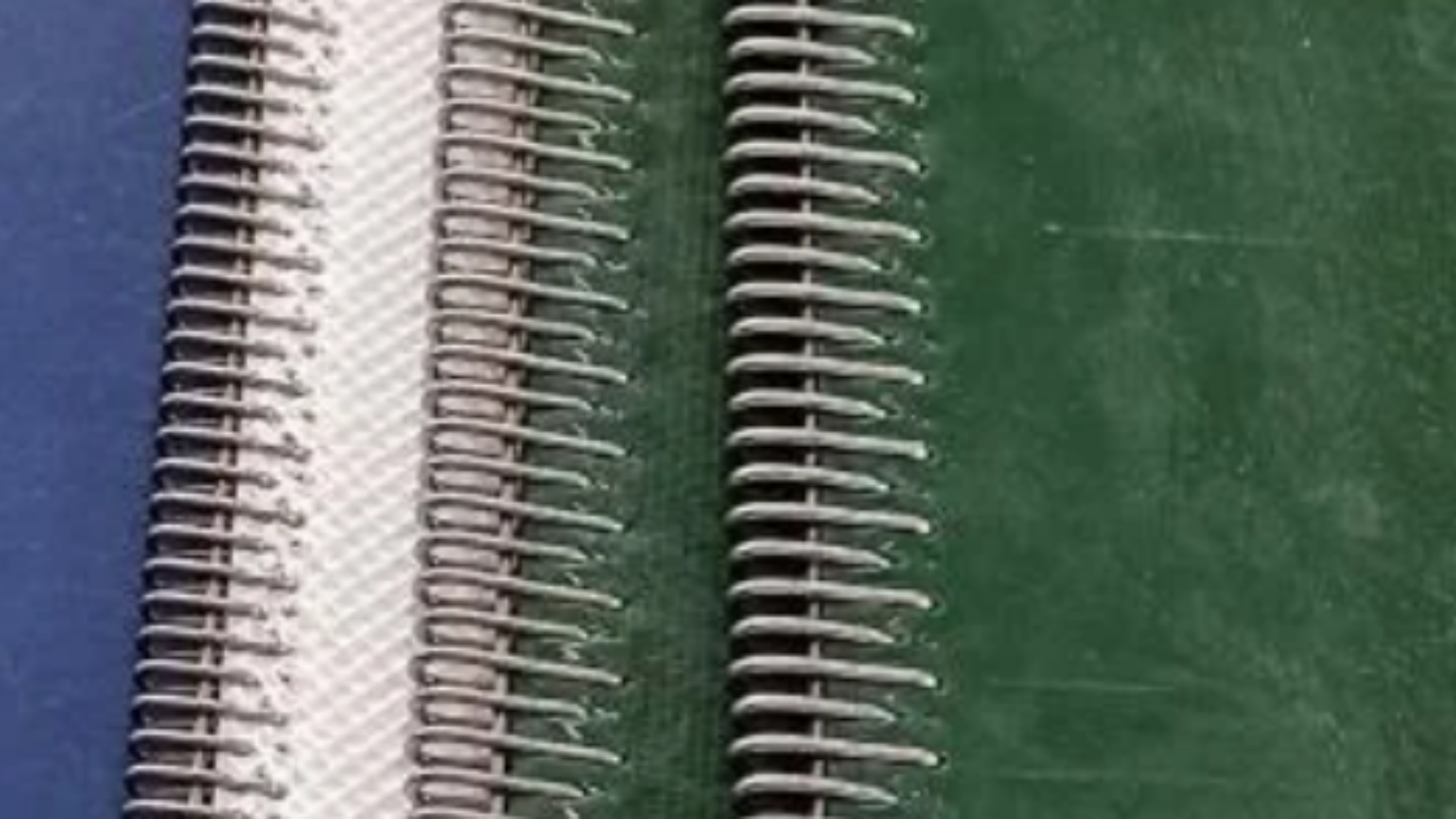
Industrial facilities face critical trade-offs when selecting installation equipment for mechanical belt splices. Choosing between manual roller mechanisms and automated fluid systems involves evaluating belt thickness, joint frequency, and operational budgets. Sourcing equipment through Intake allows plant operators to pair their operational demands with appropriate lacing mechanisms that optimize maintenance performance.
Understanding how different power sources affect fastener retention force prevents premature joint degradation. Maintenance engineers must analyze operational priorities to determine whether mechanical roller units or high-powered lacing systems fit their field requirements.
Examining the Mechanics of Manual Roller Splicing
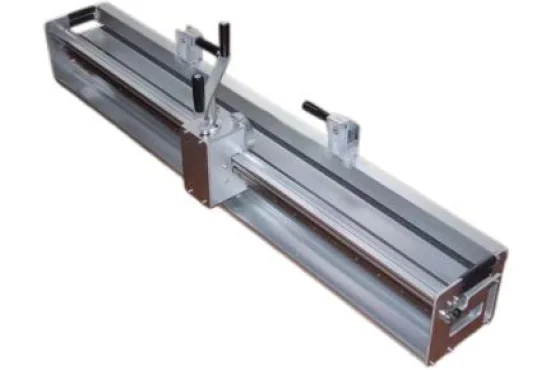
Manual roller systems operate by pressing fasteners into belt carcass material through continuous mechanical pass-overs. The Manual Roller Lacer is designed for connecting conveyor belts manually. It uses a roller system to secure belt fasteners, ensuring that the belt ends are firmly joined.
This mechanical approach provides field technicians with tactile feedback during joint creation. Technicians can feel the resistance as fastener legs penetrate the belt cover, allowing precise adjustments across light-duty belt fabrics.
Analyzing Operational Tonnage in Fluid Power Lacing
Heavy-duty belting requires substantial crimping force to drive thick wire legs through multi-ply fabric carcasses. A hydraulic belt fastener machine provides controlled pressing force to install mechanical fasteners on demanding conveyor belts.
Fluid pressure distributes clamping force uniformly across the entire splice width. Consistent tonnage prevents localized stress points that could trigger splice separation under continuous heavy tension.
Operational Suitability for Small and Medium Facilities
Resource allocation plays a vital role in facility equipment decisions. The Manual Roller Lacer is perfect for small to medium-scale operations, providing a cost-effective and efficient solution for conveyor belt maintenance.
Compact roller lacers require no external electrical or fluid power hookups. Their portability enables site crews to carry lacing tools directly onto elevated conveyor walkways or tight gallery spaces.
Evaluating Installation Speed and Technician Fatigue
High-volume operations requiring frequent belt splicing can benefit from powered lacing equipment. Manual roller mechanisms require physical effort from operators across multiple roller passes, which can lead to fatigue on wide belt profiles.
Deploying a high-pressure hydraulic machine accelerates splice completion times significantly. Automated fluid stroke compression allows service crews to restore conveyor operational status rapidly during emergency outages.
Precision Control and Joint Consistency Across Belt Widths
Achieving a uniform splice profile across the entire belt width prevents tracking misalignment and premature wear on return idlers. Roller mechanisms allow quick adjustments and ensure a stable connection for smoother conveyor belt operation.
Fluid power systems provide controlled pressing force that can help achieve more consistent fastener penetration across the splice width. This controlled compression protects internal belt fibers while holding fasteners firmly in place under severe loads.
Material Compatibility Across Light and Heavy Belting
Lightweight synthetic belting used in logistics or packaging requires gentle compression to prevent carcass cracking. Oversized power equipment can crush delicate PVC or polyurethane covers if not adjusted carefully.
Conversely, heavy rubber belts used in mining or aggregate transport require high-tonnage penetration force. Matching equipment capabilities to belt carcass density preserves structural integrity and maximizes splice longevity.
Evaluating Onsite Mobility and Field Portability
Field maintenance teams working across expansive industrial sites require tools that navigate challenging terrain easily. Light manual lacers fit into standard service trucks and can be set up directly on the conveyor framework without power cables.
Heavier fluid systems often require dedicated transport carts or localized power connections. Plant managers must balance the mobility of lightweight gear against the high-force capabilities of stationary or semi-portable power units.
Impact on Maintenance Budgets and Initial Investment
Capital expenditure constraints often dictate tool selection for routine conveyor maintenance. Manual lacing units offer lower initial acquisition costs, making them accessible choices for facilities with modest maintenance requirements.
Advanced fluid equipment involves higher initial investment but yields long-term labor savings in high-capacity plants. At Intake, we provide manual and hydraulic belt fastening equipment to support different conveyor maintenance requirements.
Adapting Splice Hardware to Diverse Environmental Conditions
Extreme operating conditions, such as outdoor mining dust, high humidity, or chemical washdown zones, influence tool performance. Manual mechanical joints operate reliably without electrical hazards or fluid contamination risks in damp environments.
High-pressure systems excel in rugged settings where heavy belt materials demand maximum mechanical grip. Selecting robust equipment engineered for harsh industrial environments extends tool service life and protects internal components.
Aligning Equipment Capabilities with Facility Workloads
Determining the ideal lacing technology requires an objective assessment of daily conveyor operations. Facilities handling lightweight packages benefit from flexible manual tools, whereas heavy material handling plants require robust power units.
Integrating a reliable hydraulic belt fastener machine supports demanding multi-shift operations where speed and heavy clamping force are mandatory. Combining proper installation tools with quality fasteners keeps production lines running smoothly.
Conclusion
Selecting between manual mechanical lacers and high-tonnage fluid systems depends on operational scale, belt specifications, and maintenance frequency. Implementing a robust hydraulic machine provides heavy industrial facilities with the power and speed needed for thick, multi-ply belting. For smaller operational setups, manual roller units provide portable and budget-friendly joint installation. Here at Intake, our team delivers versatile lacing equipment tailored to support efficient material handling across diverse global industries.
