
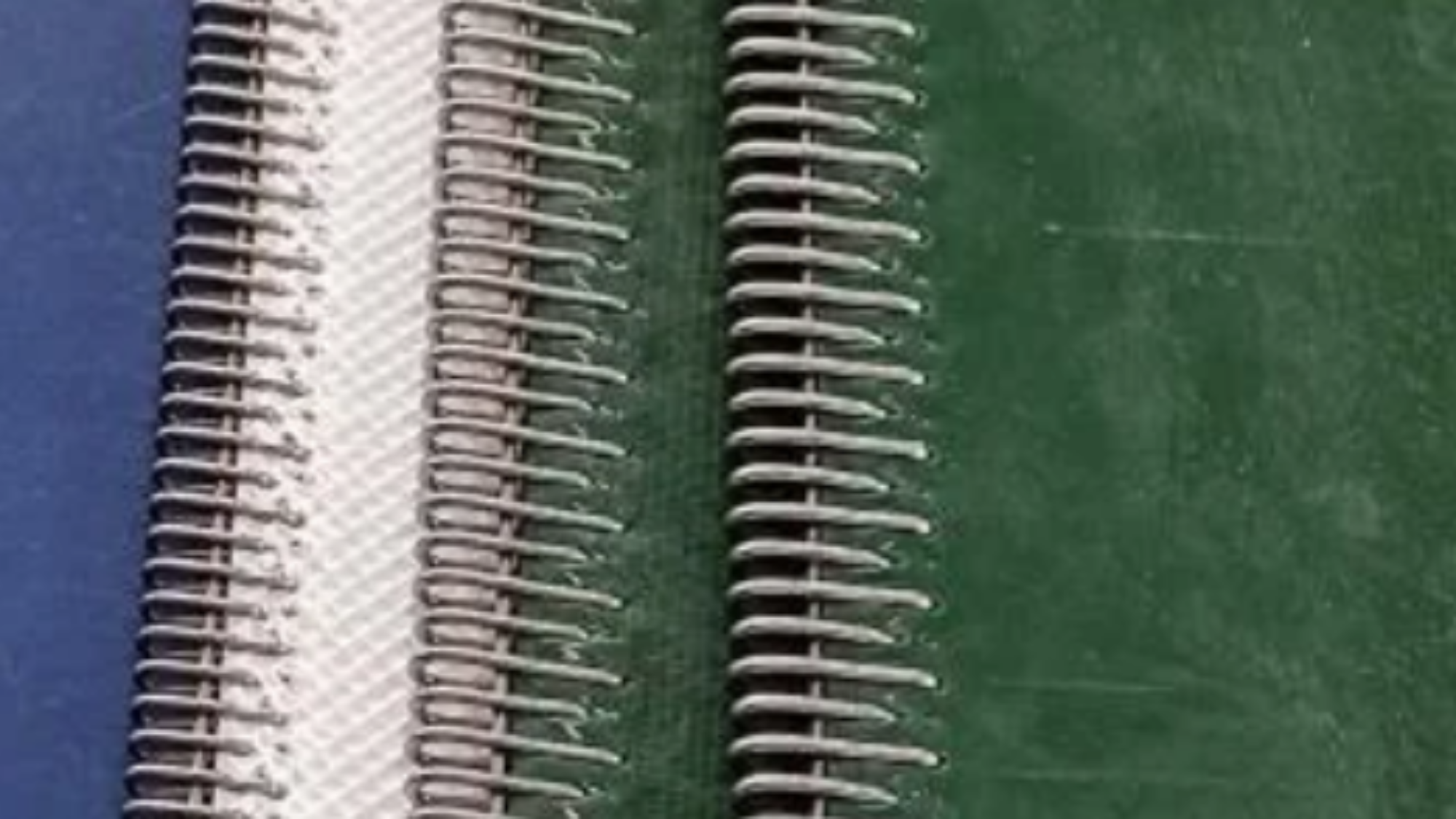
Selecting appropriate mechanical joining hardware dictates operational reliability across light and medium-duty material handling circuits. Maintenance personnel assessing conveyor belt lacing options must balance carcass construction, operating tension, and environmental factors to maintain stable joint performance.
Proper mechanical splice selection minimizes edge fraying and prevents unexpected line stoppages. Understanding physical belt parameters enables engineering teams to establish durable, efficient joining protocols across automated production systems.
Evaluating Belt Carcass Construction and Cover Thickness
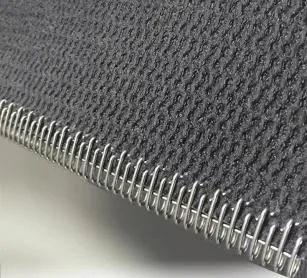
Matching fastener geometry to belt thickness prevents carcass degradation and premature pull-out. Oversized hardware cuts too deeply into covers, whereas undersized wire legs fail to grip structural fabric layers effectively.
Selecting precise leg lengths preserves carcass integrity under dynamic stress. Proper sizing allows splice points to penetrate outer covers cleanly without severing internal longitudinal tension cords.
Navigating Small Pulley Diameters and Bend Radii
Lightweight conveyors operating over small head or tail pulleys exert intense bending stress along the joint interface. Rigid mechanical splices resist natural articulation, inducing excessive wear on pulley lagging and belting.
Flexible wire hook configurations bend smoothly around compact drive rollers. Low-profile designs prevent joint stiffening while reducing noise and vibration during high-speed travel.
Managing Tensile Load Demands in Medium-Duty Handling
Continuous material transportation subjects belting to sustained tensile forces. Choosing suitable conveyor belt lacing hardware prevents joint separation under dynamic load surges at transfer points.
Distributing tension across multiple points along the belt edge preserves structural strength. Staggered leg configurations can help distribute holding forces across the belt width and reduce localized stress concentrations.
Chemical Resistance and Metallurgical Selection
Humid, acidic, or frequent washdown environments accelerate oxidation in standard carbon steel components. Selecting corrosion-resistant alloys extends mechanical joint life across demanding processing lines.
Deploying stainless steel fasteners prevents chemical degradation and surface rust buildup. For demanding processing environments, our team supplies the Reinforced Wire Hook Belt Fastener in 304S material to maintain joint stability.
Minimizing Joint Elevation to Protect Belt Wipers
Protruding mechanical fasteners frequently snag on primary or secondary belt cleaners, damaging scraper blades and splice points. Choosing low-profile hardware allows cleaner blades to glide smoothly over the splice zone.
Recessed wire legs minimize surface elevation differences along the joint. Smooth transitions prevent mechanical interference with return idlers, scrapers, and automated sorting sensors.
Adapting to Environmental Temperature Variations
Broad ambient temperature shifts alter the physical behavior of synthetic belt carcasses and mechanical joins. Chemical contact from processing oils or cleaning agents degrades belt compounds, requiring robust mechanical compression.
Metallic mechanical splices can be considered for applications where temperature variations may affect adhesive-based joining methods. Material selection should account for the expected operating temperature and environmental conditions.
Optimizing Joint Profiles for High-Speed Systems
High-speed logistics sorting systems require smooth splice transitions to avoid triggering optical sensors or damaging delicate parcels. Bumpy mechanical splices increase operational noise and transfer vibration through framework supports.
Low-mass wire hook designs navigate high-speed idlers quietly and smoothly. Engineered conveyor belt lacing profiles deliver the low-profile attributes necessary for seamless operation in automated sorting hubs.
Installation Tooling and Field Repair Efficiency
Unexpected belt breaks demand rapid maintenance response times to avoid extended plant downtime. Utilizing accessible manual or powered lacing tools empowers technical staff to execute repairs without external splicing contractors.
Straightforward installation procedures enable swift joint replacement directly on the conveyor frame. Standardized lacing strips help service personnel maintain consistent hook alignment during emergency repair calls.
Standardized Inventory and Packaging Parameters
Effective spare parts management begins with well-defined physical specifications for every replacement kit. Consistent unit weights and standardized box quantities streamline warehouse organization and simplify load planning for field service vehicles, ensuring technicians carry the right supplies for each job.
Take our Reinforced Wire Hook Belt Fastener as an example: each unit weighs 0.55KG and is packaged in boxes of 12 pieces. These specifications can help maintenance managers organize spare parts and prepare service kits for field repairs.
Balancing Mechanical Splice Lifespan and Operational Costs
Evaluating splicing methods requires analyzing long-term operational costs rather than initial purchase price alone. Mechanical joining offers a practical alternative to vulcanization, which demands specialized equipment and extensive curing time.
Standardizing splice hardware across facility lines simplifies spare parts management. Through Intake, facilities gain access to consistent joining hardware engineered for specific light and medium-duty application demands.
Conclusion
Systematic assessment of belt thickness, pulley geometry, and chemical exposure guides accurate splice hardware selection for conveyor systems. Integrating robust stainless steel fasteners protects belt carcass integrity and minimizes unexpected maintenance delays. Through specialized engineering and material selection, our team at Intake assists plant managers in maintaining reliable, efficient material handling operations globally.