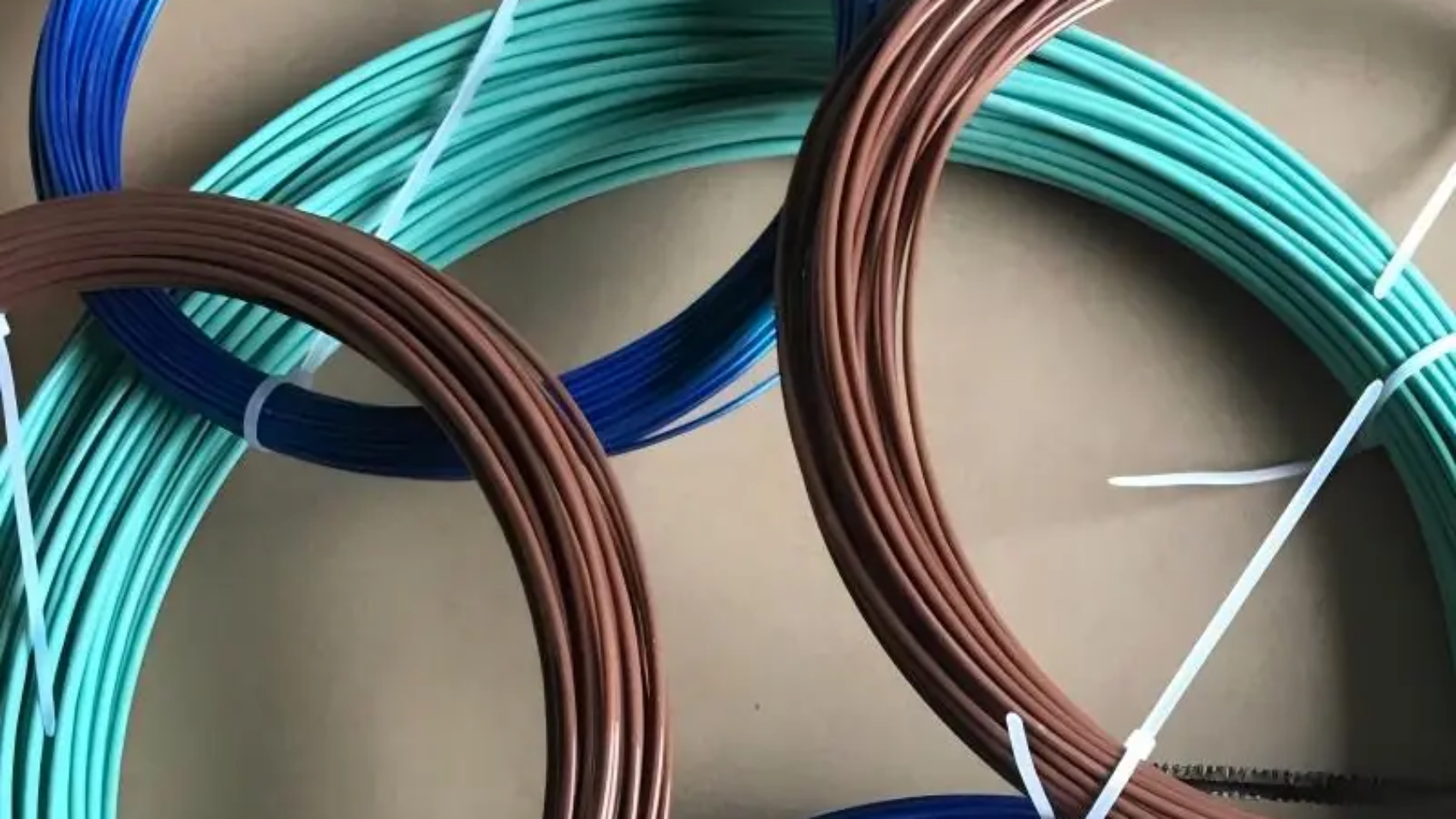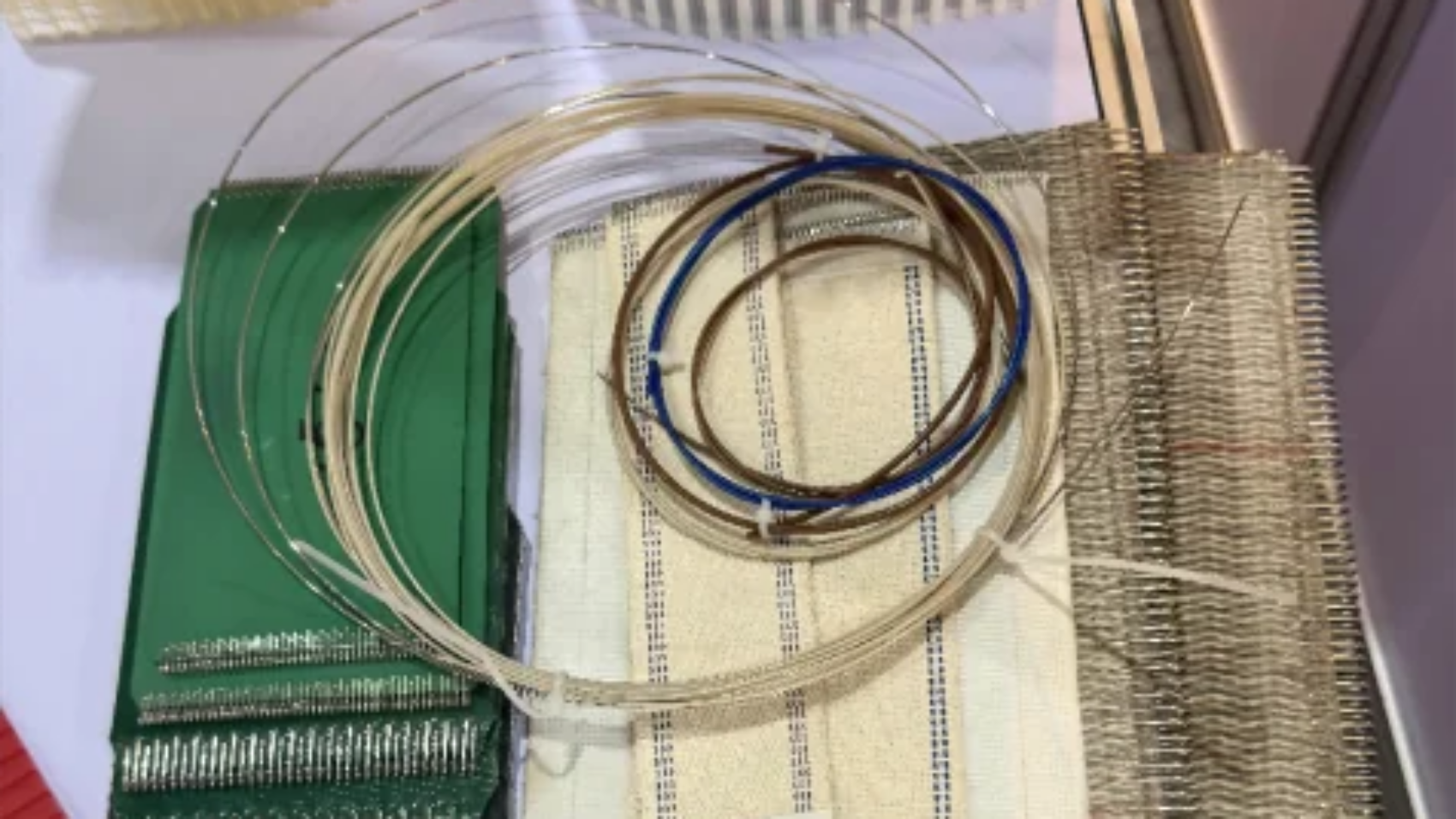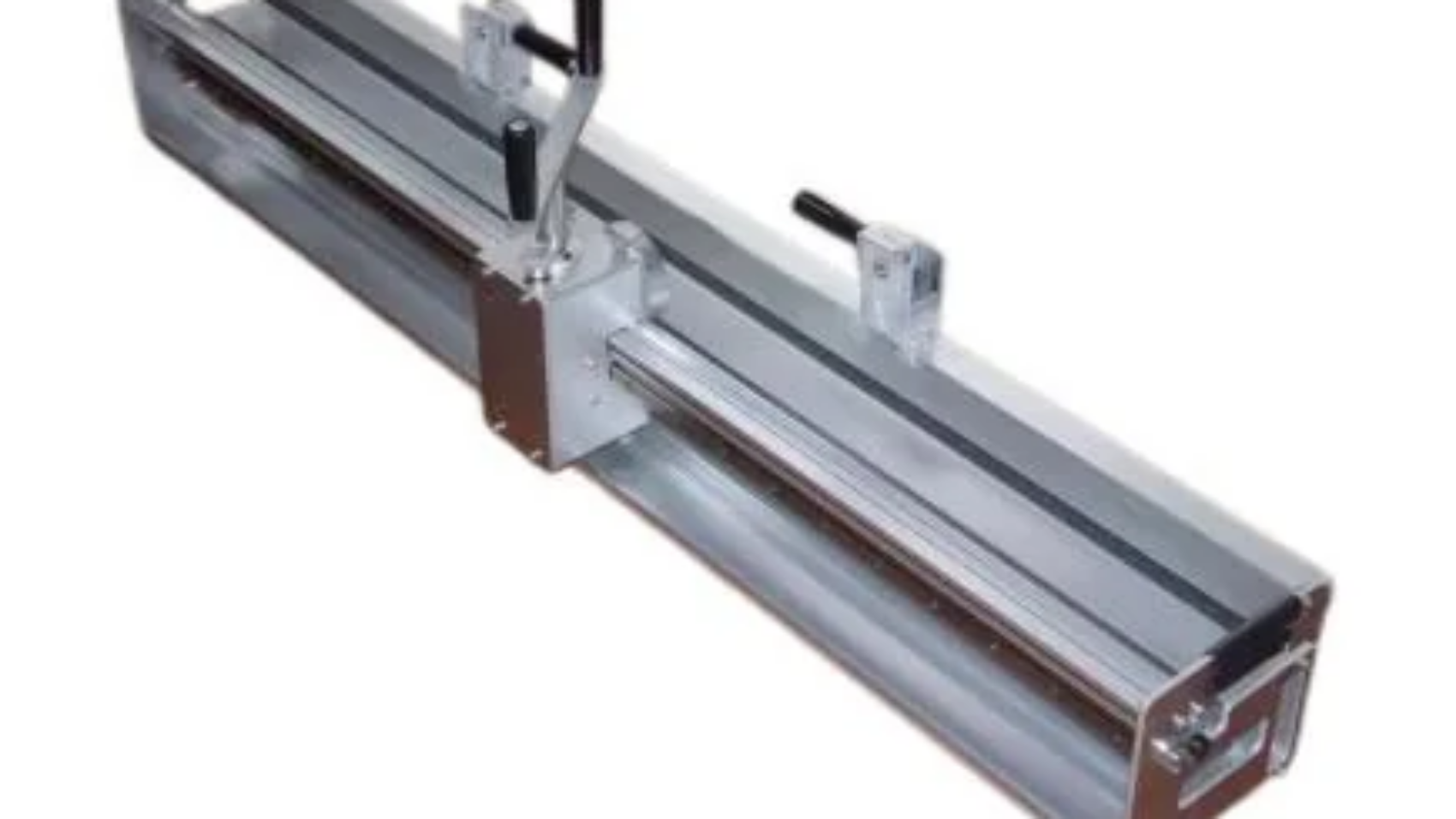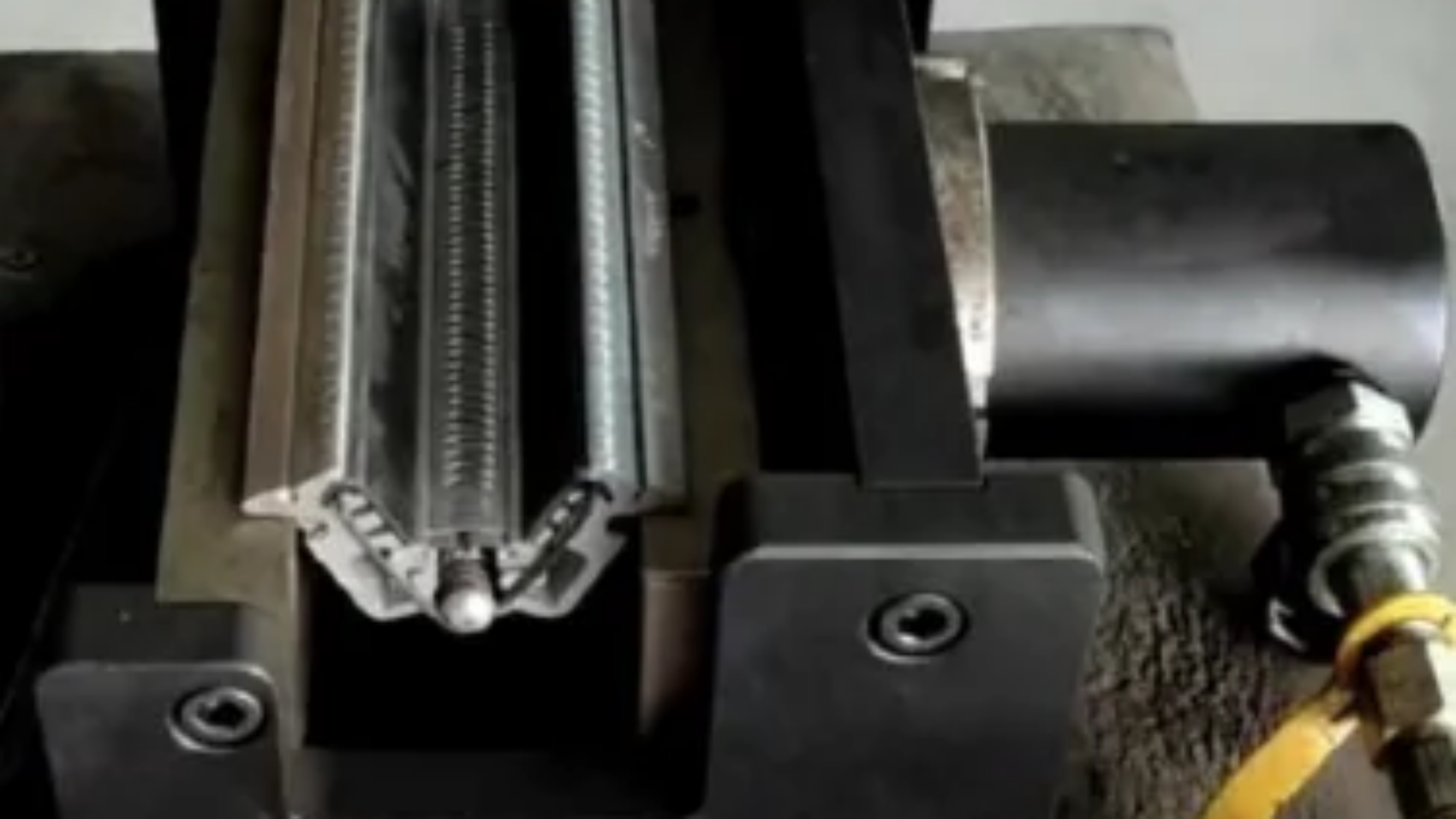
belt fastener manufacturer

Why Belt Fastener Quality Matters in Conveyor Belt Maintenance

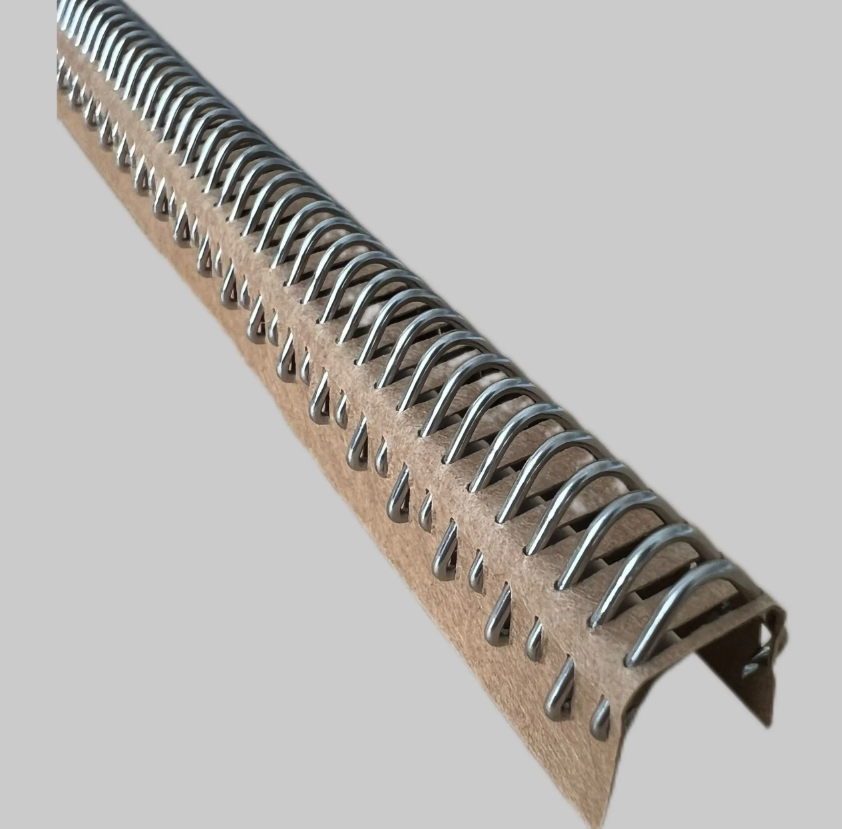
Reliable material handling infrastructure depends on the integrity of every component within the system. When maintenance teams oversee large-scale logistics operations, the choice of a belt fastener manufacturer impacts both short-term repair efficiency and long-term hardware durability. High-quality mechanical joining systems prevent premature belt failure, ensuring that raw materials or finished goods move across production lines without interruption. As we at Intake monitor various conveyor environments, we observe that sub-standard hardware frequently causes belt tracking issues and potential machine downtime. Focusing on precise engineering and material strength during the procurement phase helps organizations maintain a consistent workflow.

belt fastener manufacturer

Material Integrity and Structural Longevity

Consistency in metallurgical properties determines how well a mechanical joint holds under operational pressure. A professional belt fastener supplier must prioritize the use of high-grade stainless steel or plated carbon steel to resist corrosion and structural fatigue. Our team at Intake utilizes specific heat treatment processes to ensure that every hook or plate maintains the necessary tensile strength required for heavy-duty industrial tasks. When hardware lacks proper tempering, it may deform or break under high tension, leading to expensive belt replacement costs. Verifying the material composition from your industrial fastener manufacturers provides the assurance that the hardware will survive harsh environments and repeated loading cycles.


Impact on Pulley Wear and System Efficiency

The profile and design of the mechanical joint significantly influence the physical friction between the belt and the conveyor components. A thin, low-profile design minimizes the vibration that occurs as the belt passes over pulleys, which helps extend the functional life of rollers and cleaning scrapers. Many industrial facilities overlook the fact that poorly designed hardware causes uneven wear patterns on the conveyor surface. By using precision-engineered systems that allow for a smooth transition, maintenance crews reduce the energy required to drive the system. Proper alignment of the fasteners further ensures that the belt remains centered, reducing the frequency of manual adjustments required by your technical staff.


Safety Protocols and Installation Accuracy

Safety for maintenance crews remains a priority during the repair of conveyor systems. Effective hardware should incorporate features that protect workers during the installation process, such as safety strips that cover sharp points or ergonomic designs that simplify the insertion of hinge pins. Reliable industrial fastener manufacturers produce hardware that facilitates quick, safe application, enabling teams to restore belt operation in minimal time without specialized tools. Using high-quality components designed for easy alignment ensures that the joints remain square and secure throughout the lifespan of the belt. This accuracy prevents dangerous separations while the machinery runs at full capacity, maintaining a stable workplace environment.


Strategic Hardware Procurement for Operations

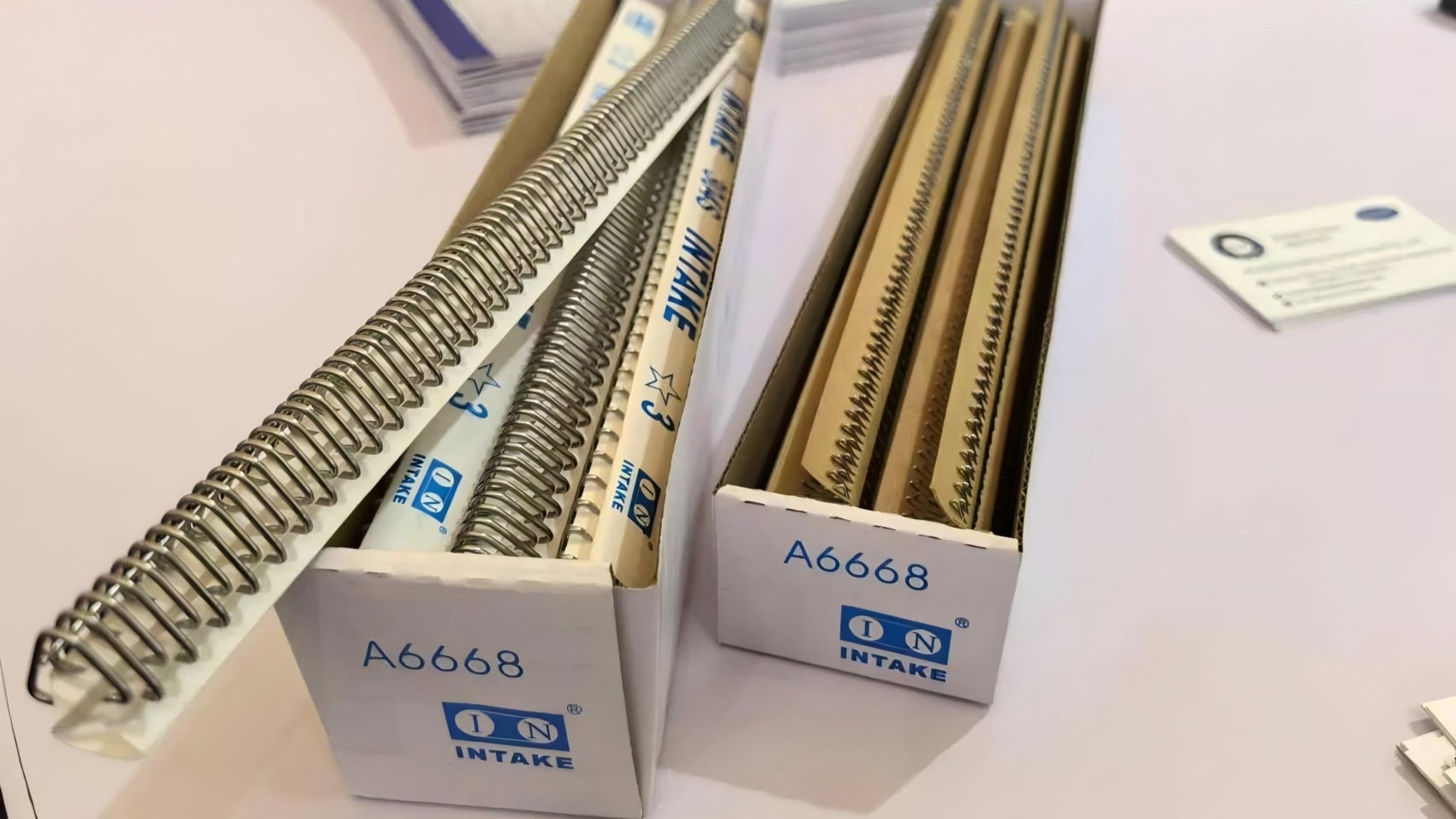
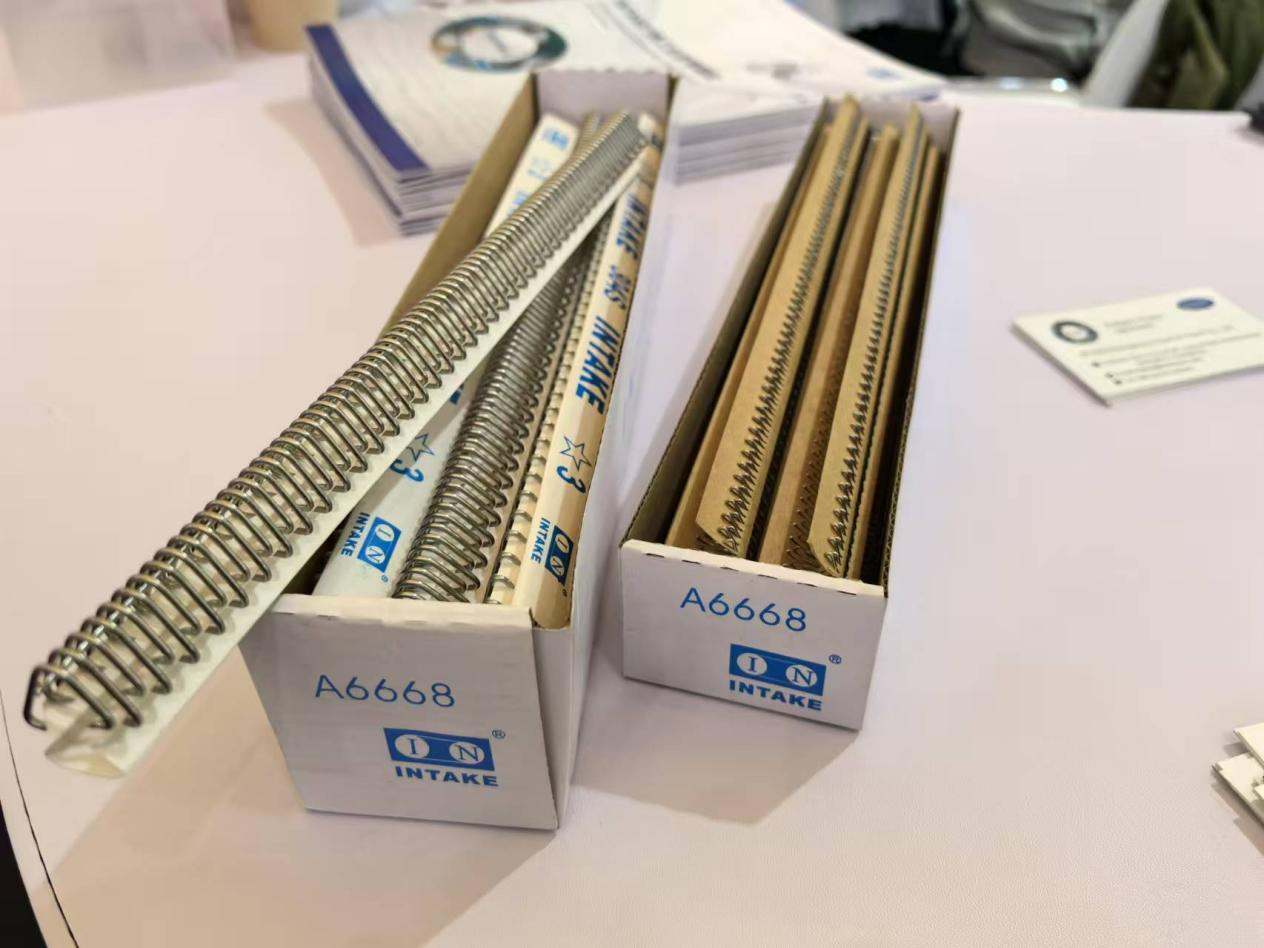
Consistency in supply chain management ensures that your facility always has the necessary parts to address unexpected maintenance needs. Establishing a long-term partnership with a factory that demonstrates deep experience in fastener production helps keep your inventory stocked with reliable, high-performance parts. Our team offers custom length options—ranging from 101 mm to 1524 mm—to meet the specific needs of diverse global clients. Relying on professional guidance regarding wire diameters and strip configurations allows organizations to optimize their maintenance strategy. Investing in quality components from a trusted belt fastener manufacturer effectively protects your infrastructure, minimizes the risk of sudden operational halts, and ensures that your conveyor system continues to function with predictable performance.

conveyor belt lacing

Wire Hook Fastener Guide for Conveyor Belt Splicing

Connecting conveyor belts requires precision to maintain operational efficiency and durability. As we observe daily at Intake, the method used to join belt ends dictates the longevity of the entire system. Selecting appropriate splicing components is essential for preventing downtime, which is why we often focus on the specific performance characteristics of mechanical fasteners.

conveyor belt lacing

Evaluating Conveyor Belt Lacing Methods

When we evaluate various joining techniques, we look for solutions that balance tensile strength with ease of installation. A common approach involves using conveyor belt lacing, which offers a reliable way to maintain belt tension under consistent loads. At Intake, we emphasize that the primary goal is ensuring the splice remains flat and stable as it passes over pulleys and idlers. Properly installed lacing minimizes the risk of uneven wear across the belt surface, ensuring that the transition at the joint is as smooth as possible. When we apply these methods, we see a marked improvement in how the belt tracks, reducing the frequency of manual adjustments required to keep the conveyor running properly.


The Role of Wire Hook Fastener Systems

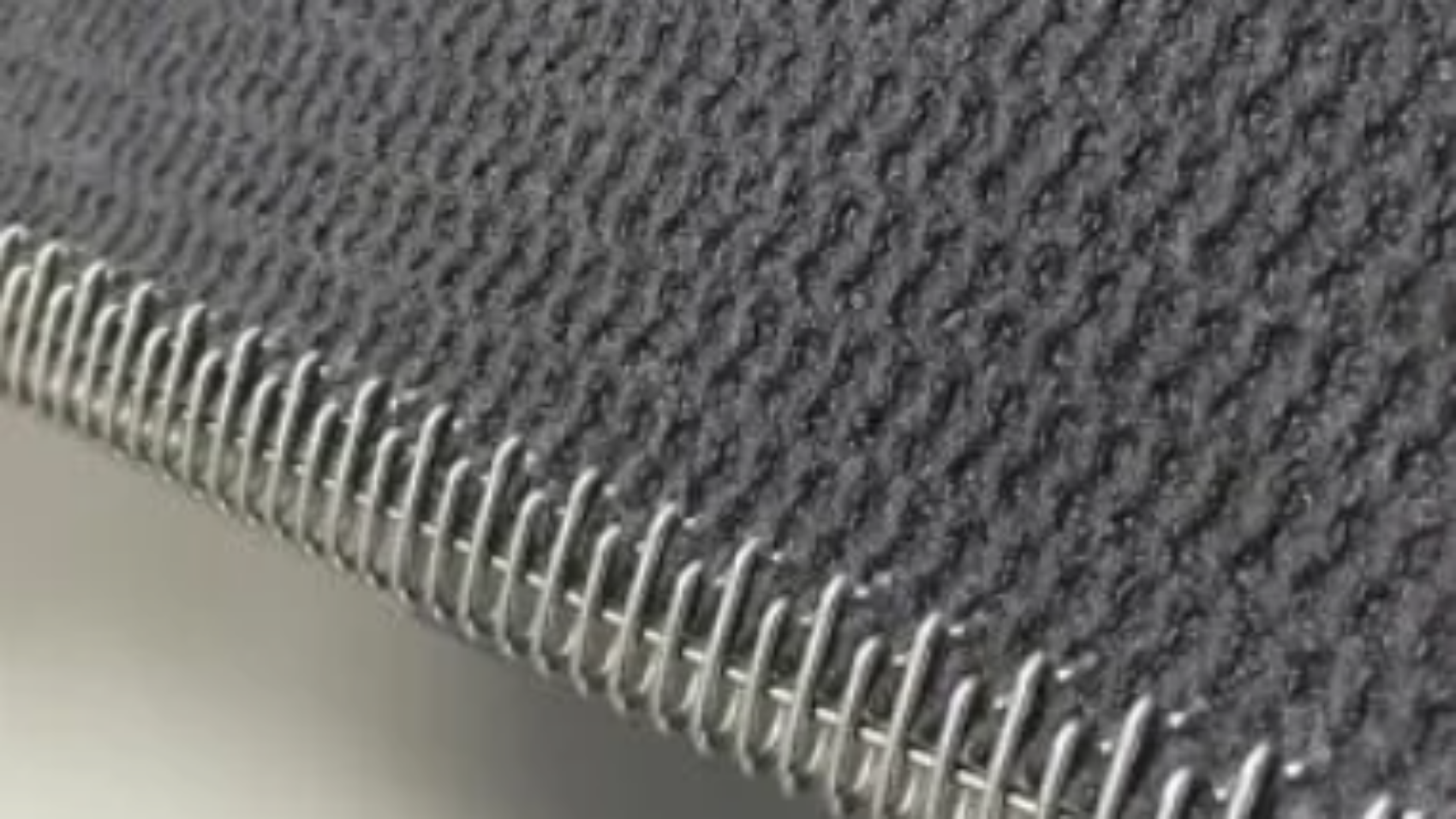
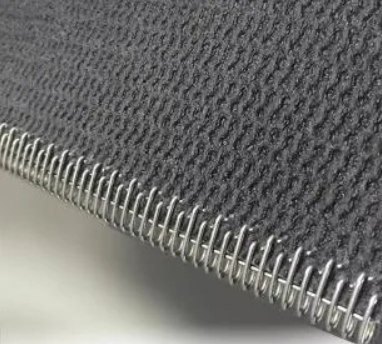
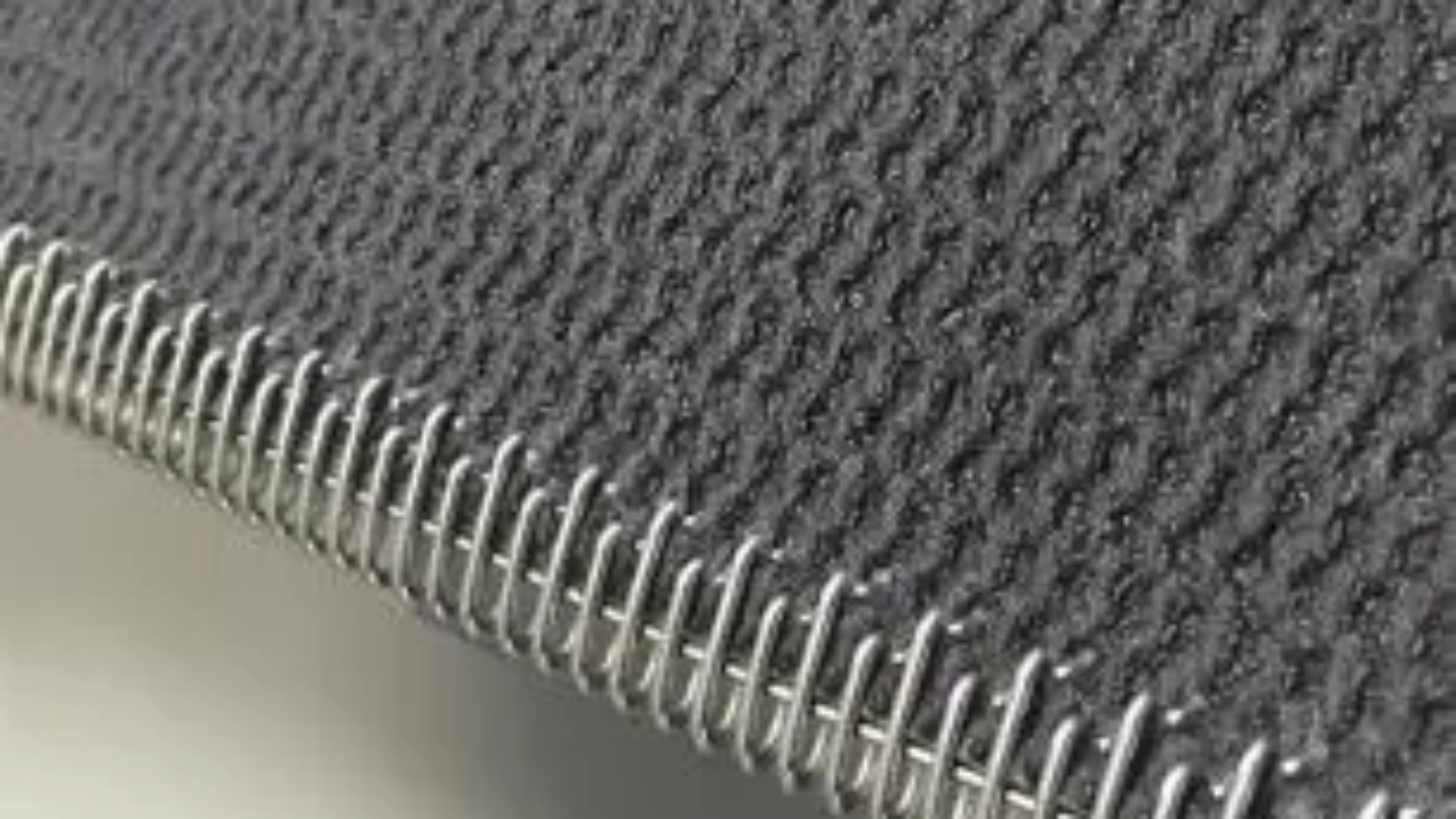
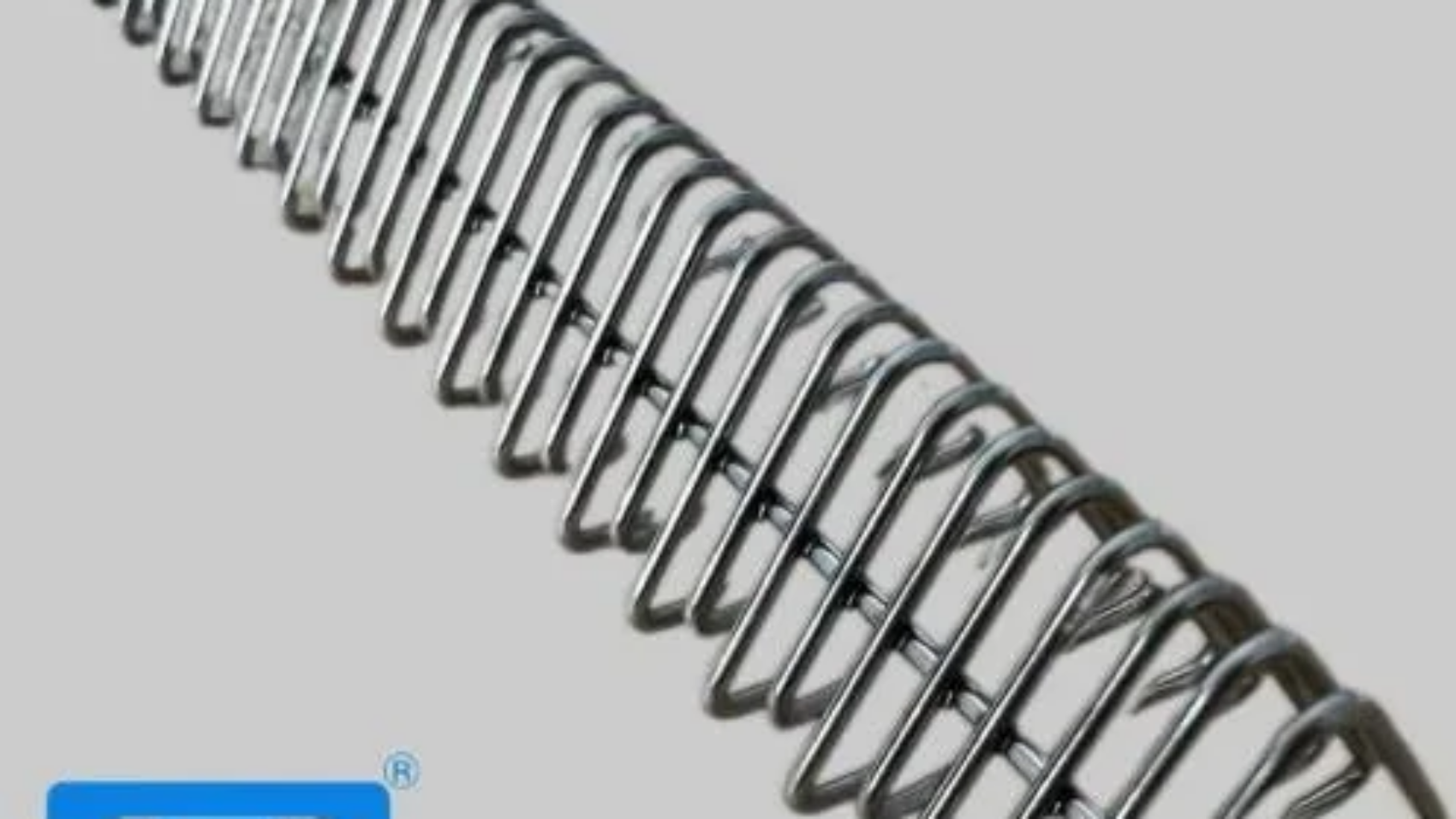
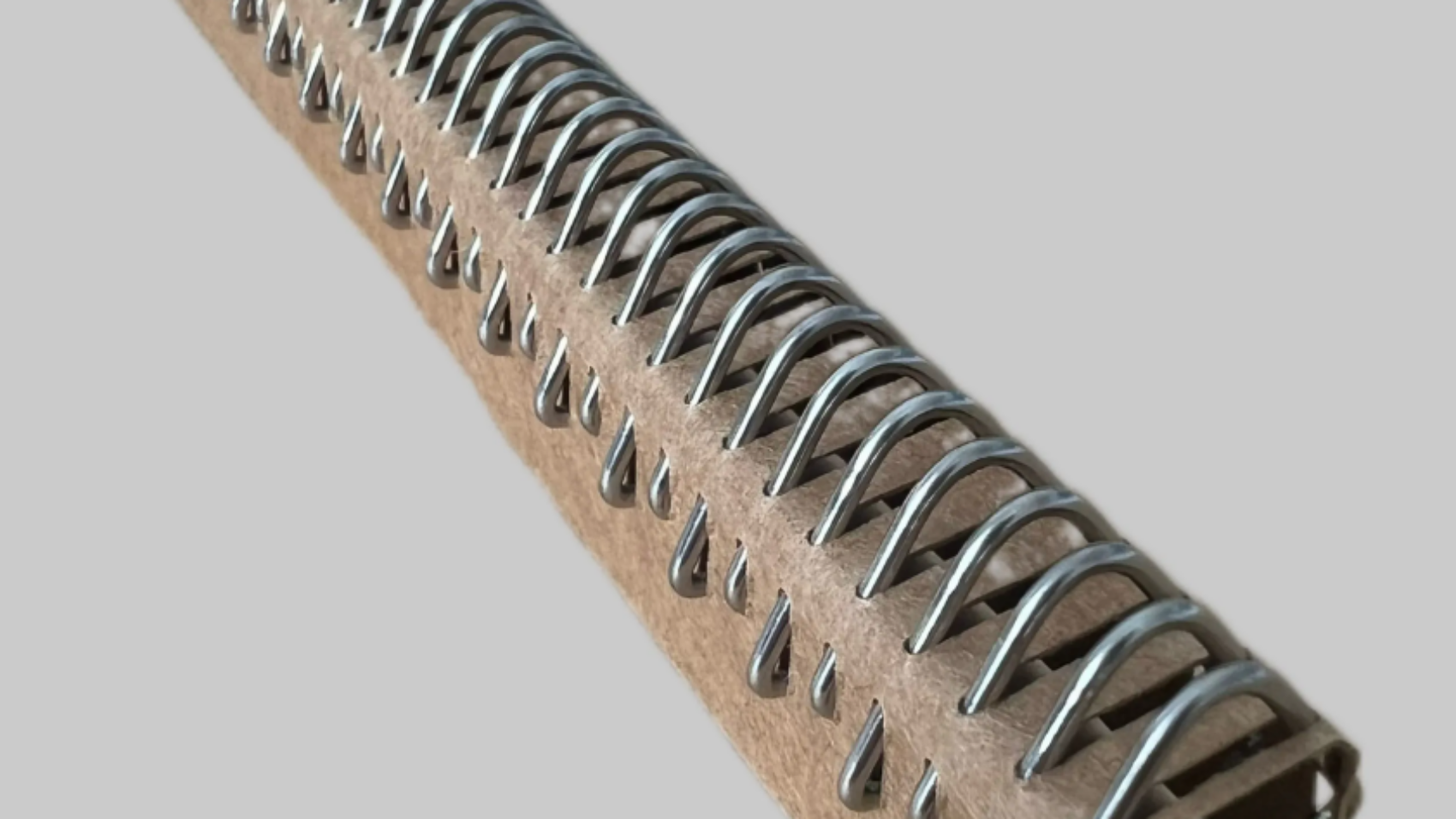
A wire hook fastener provides a specific advantage for thinner, lighter-duty belts that operate in various industrial environments. By utilizing a continuous or carded hook system, we can achieve a uniform distribution of pressure across the width of the belt. This uniformity is critical because it prevents the fastener from pulling through the belt material under stress. We find that the configuration of the wire hook fastener allows for a low profile, which is particularly beneficial when the belt needs to interact with scrapers or cleaners. By maintaining a consistent profile, we help protect both the fastener itself and the downstream components, keeping the entire conveyor system functioning smoothly without unnecessary interruptions or damage.


Ensuring Proper Splicing Performance

Longevity in a belt splice comes down to how well the components are matched to the belt’s thickness and material composition. When we install a wire hook fastener, we pay close attention to the gauge of the wire and the depth of the hooks. Matching these specifications to the belt ensures that the grip is secure and the splice can handle the expected load without premature failure. We often see that even minor mismatches in wire thickness can lead to fatigue at the joint, which is why we verify these parameters before finalizing the connection. This methodical approach to splicing helps us maintain high operational uptime and predictable maintenance schedules for our partners who rely on continuous production flows.

Reliable belt splicing remains a cornerstone of efficient material handling. By focusing on the correct selection and installation of mechanical fasteners, we can significantly extend the service life of conveyor belts. Consistent attention to these details, from the choice of lacing to the careful installation of the hook system, ensures that the conveyor system supports, rather than hinders, industrial productivity.

conveyor belt lacing

What Is Conveyor Belt Lacing and How Is It Used?

Efficiency in material handling relies heavily on the integrity of your belt systems. Many industrial operations face downtime when belts require maintenance or replacement, which is where effective fastening methods become essential. We prioritize reliable solutions at Intake to ensure your machinery continues to operate smoothly without unnecessary interruptions. Properly installed mechanical fasteners maintain the tension and alignment required for consistent throughput.

conveyor belt lacing

Defining Conveyor Belt Lacing

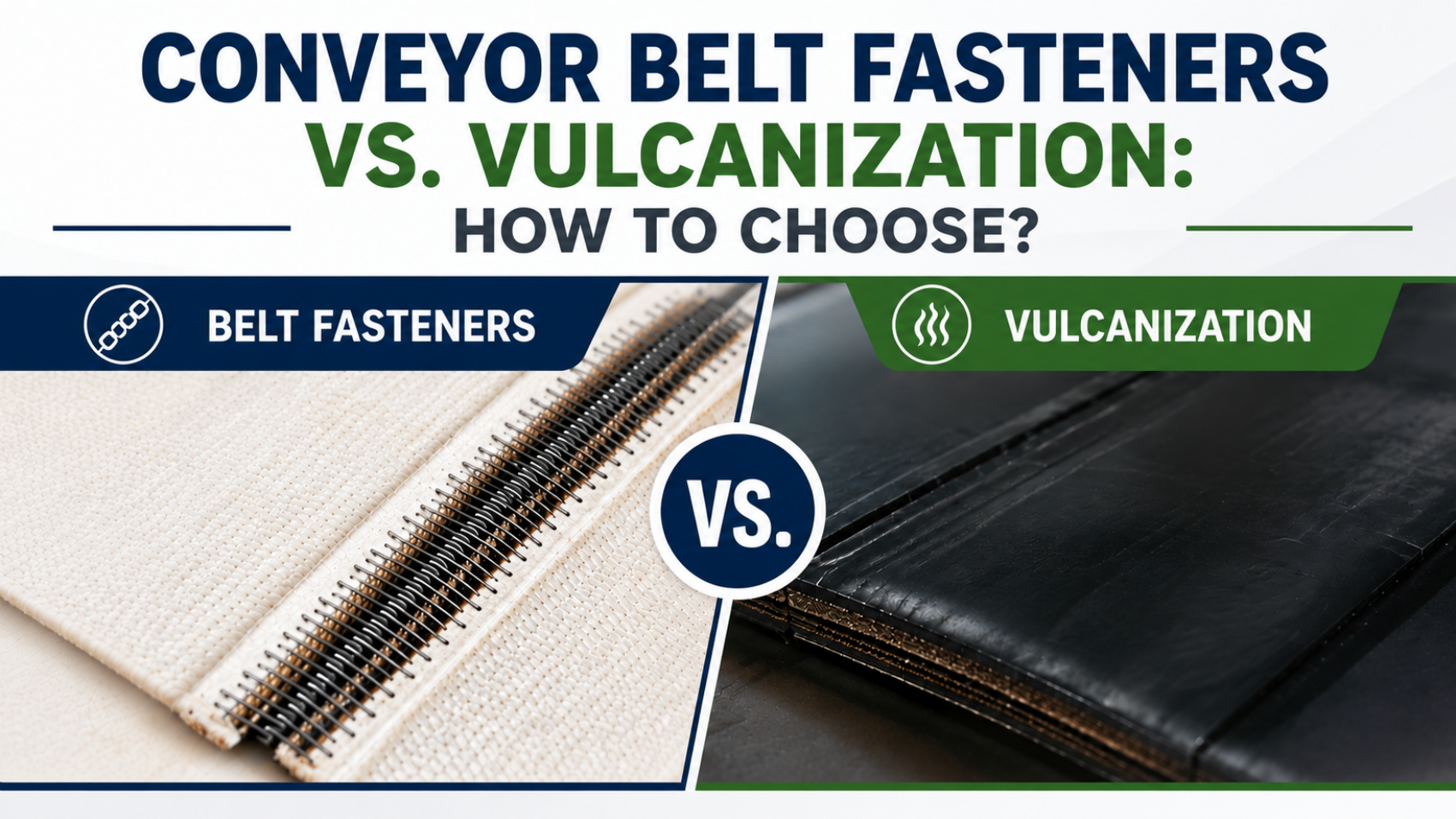
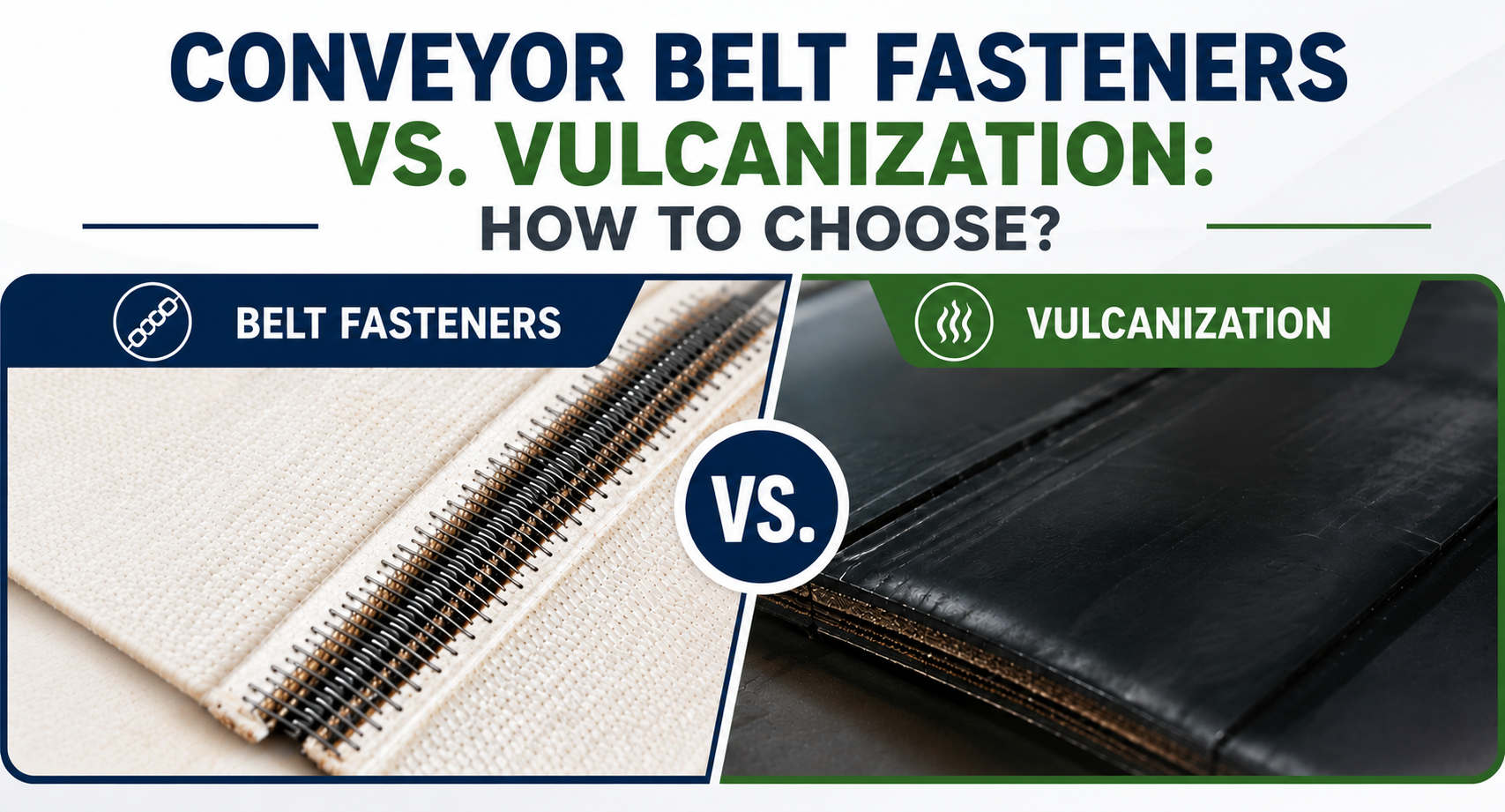
Conveyor belt lacing is a mechanical method used to join the two ends of a conveyor belt, creating a continuous loop. This technique involves using metallic fasteners, often referred to as a conveyor belt lace, to secure the belt material firmly. Rather than using vulcanized splices, which require specialized equipment and significant downtime, lacing provides a practical alternative for quick repairs. We find that this approach is particularly useful in environments where maintenance speed is a priority. When the belt ends are prepared correctly, the fasteners distribute tension evenly across the width of the splice.


Application of Mechanical Fasteners

Applying a conveyor belt lace involves several critical steps to ensure longevity and safety. First, the belt ends must be cut square to prevent tracking issues during operation. After preparing the ends, the fasteners are installed using specific tools designed to clinch the hooks or teeth into the belt carcass. At Intake, we emphasize the importance of matching the fastener size and material to the specific belt thickness and pulley diameter. Improper application can lead to premature wear or fastener failure. By following precise installation guidelines, teams can achieve a durable connection that holds up under regular load cycles.


Benefits in Industrial Maintenance

Using conveyor belt lacing offers distinct advantages for facilities that cannot afford long periods of equipment inactivity. Because this method allows for quick belt removal or shortening, it streamlines the maintenance workflow significantly. When we look at various industrial applications, the ability to perform an on-site repair without removing the belt from the conveyor structure saves both time and labor costs. Furthermore, these mechanical systems provide enough flexibility to operate over smaller pulleys, which is a common requirement in many processing plants. Relying on consistent fastening systems helps maintain a predictable production schedule.


Considerations for Operational Longevity

Selecting the correct components requires a look at the specific environmental conditions of your facility. Factors such as belt tension, abrasive materials, and temperature fluctuations influence how long a splice will last. We observe that high-quality fasteners are designed to resist corrosion and wear, providing a stable joint for the expected life of the belt. Regular inspections are necessary to identify potential issues before they cause a complete failure. Monitoring the condition of the lacing ensures that the belt remains functional and that production targets are met. By maintaining these joints, operations remain productive and safe for all personnel involved.

In conclusion, managing conveyor systems requires reliable methods for belt joining and repair. Understanding how to apply and maintain mechanical fasteners allows for greater control over maintenance cycles and operational efficiency. By focusing on correct installation and regular assessment of the connection points, facilities can minimize disruptions. We remain committed to supporting these processes with durable solutions that address the practical needs of modern material handling environments. Proper attention to these details helps ensure that your equipment continues to perform as expected throughout its service life.

conveyor belt hinge pin

How Hinge Pins Support Conveyor Belt Fastener Joint Flexibility

Frequently, the mechanical integrity of a belt system depends on how well the splice accommodates movement. We recognize that rigid connections often fail under operational stress, which is why the specific design of a conveyor belt hinge pin becomes vital for long-term reliability. At Intake, we focus on providing components that facilitate smooth operation across various industrial applications, ensuring that systems remain functional even under demanding conditions.

conveyor belt hinge pin

Mechanical Benefits of Hinge Designs

The fundamental advantage of a hinge-style fastener is its ability to allow the belt ends to pivot around the connector. By using a conveyor belt hinge pin, maintenance teams can ensure the joint maintains flexibility while traversing pulleys or rollers. This movement reduces the concentrated mechanical stress that typically causes rigid splices to fracture prematurely. When we supply these systems at Intake, we prioritize materials and tolerances that allow for consistent mechanical articulation throughout the entire duty cycle of the belt.


Managing Joint Stress and Load Distribution

Proper distribution of forces across the splice area prevents localized wear and tear on the belt fabric. We observe that high-quality hinge pins play a significant role in maintaining a uniform profile, which helps keep the belt tracking correctly during high-speed operations. If the connection point becomes stiff, the belt may experience uneven tension, leading to tracking issues or premature cover damage. Ensuring that the joint remains flexible with the right hardware protects the overall longevity of your investment and keeps maintenance intervals predictable.


Longevity Through Material Compatibility

Choosing the correct hardware involves matching the metal properties of the pin to the environment in which the system operates. We emphasize that a conveyor belt hinge pin must resist corrosion and fatigue to maintain joint integrity over months or years of service. Harsh environments, such as those with high moisture or abrasive dust, require specific metallurgy to prevent the pin from seizing within the fastener loops. By focusing on these technical details, we assist operators in maintaining robust connections that withstand common workplace challenges without requiring frequent emergency replacements.


Maintaining Operational Continuity

The reliability of your conveyor system rests on the performance of small, critical components. We provide options within our catalog, such as those found in our carded fastening systems, to ensure that users have access to reliable components that meet their operational requirements. When components are specified correctly for the load and pulley diameter, the system achieves a balanced state where the joint remains as flexible as the belt itself. Through consistent attention to these mechanical details, we support the operational goals of our clients by minimizing downtime and keeping production lines moving steadily.

conveyor belt hinge pin

What Is a Conveyor Belt Hinge Pin in Mechanical Belt Splicing?

Proper maintenance of conveyor systems relies on the integrity of every component, particularly within the splice area where the belt is joined. When we observe wear patterns in heavy-duty material handling, the focus often shifts to the mechanical fastening systems that hold the belt ends together. A crucial element in this assembly is the hinge pin. At Intake, we prioritize the technical precision required for these components to ensure operational continuity in demanding industrial environments.

conveyor belt hinge pin

The Role of the Hinge Pin in Belt Splicing

The hinge pin functions as the primary axis of rotation for mechanical fasteners, allowing the belt to flex as it passes over pulleys. In our experience at Intake, the selection of the correct conveyor belt hinge pin is vital for the longevity of the splice. This pin must withstand significant tension and repeated bending cycles without undergoing premature fatigue or deformation. If the pin lacks the necessary metallurgical properties, the mechanical fastener loop can lose its structural stability, leading to potential belt separation.

When we examine the mechanical design, the conveyor belt hinge pin serves as a bridge that connects the fastener plates installed on both ends of the conveyor belt. By sliding through the loops of these plates, it creates a flexible joint. Because we manufacture these components with specific material tolerances, we ensure that the diameter is consistent across the entire length. This consistency prevents uneven stress distribution, which is a common cause of premature splice failure in high-output processing facilities.


Material Considerations for Hinge Pins

Durability within a splicing system is largely determined by the material composition of the pin. As a hinge pin manufacturer, we analyze how different environments, such as those involving abrasive materials or extreme temperatures, impact the performance of the metal. For instance, selecting a pin that is too soft may cause it to wear away under the constant friction of the belt loops, while a pin that is too brittle might snap under impact loads.

We utilize specific grades of steel to produce a conveyor belt hinge pin that balances flexibility with tensile strength. Our engineering team designs these pins to resist the shearing forces encountered during daily operations. By maintaining strict control over the manufacturing process, we provide components that integrate seamlessly with various fastening systems. This attention to detail allows maintenance teams to perform faster, more reliable repairs, which minimizes the duration of equipment downtime and protects the overall throughput of the conveyor line.


Ensuring Compatibility in Fastening Systems

The effectiveness of any mechanical splice is limited by the compatibility between the fastener and the pin. We advocate for utilizing components that are engineered to function together as a unified system rather than mixing hardware from various sources. As your hinge pin manufacturer, we focus on tolerances that allow for smooth insertion and removal. This is critical because maintenance personnel often need to replace pins during scheduled service intervals without struggling with misaligned loops or seized components.

Relying on a trusted hinge pin manufacturer ensures that the mechanical fasteners perform according to their design specifications. We continuously monitor our production quality to verify that every pin meets the expected dimensional standards. When these components fit correctly, they reduce the wear on the fastener loops themselves, extending the service life of the entire belt splice. By focusing on these technical aspects, we help maintain the mechanical reliability required for consistent belt operation in diverse industrial applications.

In conclusion, the hinge pin is a small but essential component that dictates the performance of a mechanical belt splice. Through precise manufacturing and material selection, these pins facilitate reliable belt flexibility and structural integrity. By maintaining high standards for these parts, we support the operational efficiency of conveyor systems. We remain committed to providing components that meet the rigorous demands of material handling, ensuring that your equipment continues to run smoothly.

hydraulic belt fastener machine

Belt Lacing Machine Guide for Conveyor Belt Maintenance

Proper maintenance of conveyor systems remains a vital operational necessity for industrial facilities. When dealing with heavy-duty transport, the connection points of the belt represent the most common area for potential failure. We focus on reliable mechanical solutions to ensure these connections remain secure under pressure. By utilizing a hydraulic belt fastener machine, technical teams can achieve consistent tension and alignment across the belt surface.

hydraulic belt fastener machine

Ensuring Belt Integrity Through Hydraulic Pressure

Maintaining consistent performance requires precise control over the fastener installation process. Manual methods often lead to uneven pressure distribution, which compromises the longevity of the splice. At Intake, we observe that uniform force application is necessary to prevent premature wear. Implementing a hydraulic belt fastener machine allows operators to apply controlled, repeatable pressure during each cycle. This stability minimizes the risk of joint separation, which is a frequent concern in high-capacity material handling. We prioritize tools that facilitate this level of accuracy to keep production lines moving without interruption.


Efficiency in On-Site Maintenance Procedures

Field repairs demand equipment that is both portable and powerful. Downtime costs accumulate rapidly, so the speed of fastener installation impacts overall facility output. Our approach involves using a hydraulic machine that is engineered for field environments, ensuring that technicians can perform necessary repairs without moving the belt to a centralized workshop. Intake provides systems designed to simplify these tasks while maintaining the structural requirements of the belt splice. Having the right machinery on hand allows maintenance teams to address wear points proactively, which keeps the system operational during demanding production schedules.


Longevity and System Reliability

Equipment longevity depends on how well components are integrated into the existing maintenance routine. A properly installed fastener significantly reduces the stress placed on the splice area, which prevents belt tear-outs. Utilizing a professional hydraulic machine creates a clean, flush joint that travels smoothly over pulleys and rollers. When we analyze the wear patterns on belts, the connection points often reflect the quality of the installation tools used during initial setup. By focusing on the mechanics of the lacing process, we ensure that the entire conveyor system experiences less friction and fatigue. This attention to detail results in a more predictable service life for both the belt and the fastener system.

In summary, the choice of equipment used for belt splicing influences the daily reliability of industrial conveyor lines. High-quality fasteners, paired with a specialized hydraulic belt fastener machine, provide a stable solution for demanding applications. We maintain that consistent pressure and professional-grade installation techniques remain the foundation of effective conveyor management. By incorporating a robust hydraulic machine into your maintenance toolkit, you establish a reliable process that supports long-term operational goals. At Intake, we support these standards by providing durable hardware designed to meet the rigorous demands of modern material handling environments. Effective maintenance is not just about reactive repairs; it is about establishing a disciplined approach to the components that keep your facility running. By focusing on these technical aspects, you can maintain the stability of your conveyor system while ensuring that each belt splice meets the necessary strength requirements for your specific site conditions.

hydraulic belt fastener machine

What Is a Hydraulic Belt Fastener Machine Used For?

Maintenance teams often face the challenge of joining conveyor belts efficiently while ensuring the connection holds under heavy operational loads. At Intake, we recognize that the structural integrity of your conveyor system depends heavily on how these components are joined. A hydraulic belt fastener machine serves as a specialized tool designed to apply consistent, high-pressure force, ensuring that belt fasteners are securely and uniformly installed across the entire width of the belt.

hydraulic belt fastener machine

Precise Force Application in Belt Maintenance

When we address belt maintenance, the primary objective is to create a seamless splice that prevents downtime. The hydraulic belt fastener machine allows technicians to exert the specific amount of force required to compress fasteners into the belt material without causing damage to the carcass. By utilizing a controlled hydraulic machine system, operators can achieve a level of precision that manual methods simply cannot replicate. This reliability is vital for operations that require high tension during daily material transport.


Enhancing Connection Durability

A properly installed fastener is the difference between a minor maintenance check and a full-scale system failure. We observe that using a dedicated hydraulic belt fastener machine ensures that each pin and plate is seated perfectly flush with the belt surface. This uniform pressure distribution reduces the risk of premature wear on pulleys and cleaners, which often occurs when fasteners are installed with uneven force. Implementing a robust hydraulic machine system helps extend the functional life of the belt, protecting the investment made in your conveyor infrastructure.


Streamlining Operational Efficiency

Efficiency is a cornerstone of our work here at Intake. Manual installation processes are not only labor-intensive but also introduce the potential for human error. A hydraulic belt fastener machine simplifies this process significantly, allowing crews to complete belt repairs faster and return to production cycles with minimal delays. By relying on a specialized hydraulic machine system, maintenance teams can standardize their repair procedures, resulting in more predictable maintenance schedules and a reduced reliance on trial-and-error techniques.

When evaluating how to improve your belt splicing operations, focusing on the equipment is essential. Consistent application of pressure via a hydraulic belt fastener machine ensures that your conveyor systems remain operational for longer periods. By integrating a reliable hydraulic machine system into your toolkit, you provide your technicians with the means to deliver secure, durable belt repairs every time. At Intake, we believe that providing the right tools for the job is the most effective way to maintain high productivity across industrial conveyor setups.

conveyor belt fastener manufacturer

Conveyor Belt Fastening Systems Guide for Industrial Belt Repair

Operational efficiency hinges on the integrity of your material handling infrastructure. When a belt sustains damage, the downtime associated with replacement can disrupt entire production schedules. We recognize that maintaining continuous operation requires reliable methods for splicing and repair. Our approach at Intake focuses on providing robust mechanisms that allow maintenance teams to perform effective repairs quickly and securely.

conveyor belt fastener manufacturer

Assessing the Requirements for Belt Integrity

Selecting the appropriate hardware for a damaged section depends on the belt tension, thickness, and the specific application environment. A conveyor belt fastener manufacturer must provide options that accommodate different load capacities and belt speeds. When we evaluate a repair site, we look at the specific belt specifications to ensure the hardware maintains the necessary hold without compromising the structural longevity of the belt carcass. Proper installation of these components ensures that the splice remains secure even under heavy operational strain. At Intake, we prioritize precision in our designs to support these critical industrial needs.


Implementing Efficient Repair Protocols

Once the correct hardware is identified, the focus shifts to the application process. Consistent performance in a conveyor belt solutions environment depends on the accuracy of the installation. We advise technicians to ensure that the belt ends are cut square and that the fasteners are aligned precisely. Misalignment can lead to premature wear on the joint and potential damage to pulleys or idlers. By following standardized installation procedures, maintenance crews can achieve a durable splice that mimics the performance of a vulcanized joint. Our goal is to provide the necessary tools that simplify these complex repairs while maintaining high safety standards.


Ensuring Long-Term Maintenance Reliability

Maintenance routines are incomplete without a proactive strategy for monitoring splice health. Even with high-quality components, regular inspections are necessary to identify signs of fatigue or improper tracking before a failure occurs. We suggest incorporating belt checks into your daily maintenance schedules to monitor for hardware loosening or belt degradation around the splice. This preventive stance reduces the risk of unplanned outages and extends the service life of your equipment. Effective belt management, supported by our reliable conveyor belt solutions, keeps your facility functioning smoothly. Relying on quality hardware from a dedicated conveyor belt fastener manufacturer makes these routine checks more predictable and manageable.


Final Thoughts on System Longevity

Maintaining conveyor systems requires a combination of high-grade hardware and disciplined maintenance practices. We have observed that facilities which prioritize proper fastening techniques experience fewer emergency repairs and more consistent output. By focusing on the details of belt repair and using reliable components, your team can maintain the stability of your material handling systems. Our commitment remains on delivering the support you need to keep your operations moving forward efficiently. Choosing the right components today prevents significant complications tomorrow, ensuring that your production environment remains stable and productive. Through careful oversight and the use of professional-grade tools, you can ensure that your conveyor lines continue to operate without unexpected interruptions.

conveyor belt fastener manufacturer

What Are Conveyor Belt Fasteners and How Do They Work?

Maintaining consistent production flow requires reliable hardware, and we often focus on the integrity of the belt itself. However, the connection points are where most systems experience wear. At Intake, we frequently assist operations in managing these critical transition zones. A conveyor belt fastener is a mechanical device designed to join the two ends of a belt together to form a continuous loop. These components are essential for systems where vulcanization is not feasible, providing a secure bridge that allows the belt to travel over pulleys and around rollers without compromising structural stability.

conveyor belt fastener manufacturer

The Mechanism Behind Mechanical Fastening

The core function of these devices is to hold the belt ends securely while maintaining the tension required for material transport. As a conveyor belt fastener manufacturer, we prioritize precision in how these components grip the belt carcass. When we install them, we typically insert the fasteners into the belt ends and compress them, either through bolt-type or rivet-type methods. This compression ensures the belt stays flush, preventing gaps that could catch on rollers or idlers. By using high-quality materials, Intake ensures that the joint remains flexible enough to pass over small pulleys yet strong enough to handle heavy loads, maintaining the integrity of the entire conveyor system.


Selection and Installation Considerations

Selecting the right hardware depends heavily on the belt’s physical properties, such as thickness and tension rating. We emphasize that the mechanical characteristics of the belt must dictate the choice of the fastening system to avoid premature failure. For instance, high-tension belts require rivets to penetrate deep into the fabric or steel cords, providing a hold that bolts alone cannot achieve. Proper installation is critical; if the fasteners are misaligned or not tightened to the correct torque, the belt will eventually track improperly, causing excessive friction and heat. We have seen many operations extend the lifespan of their equipment simply by ensuring the belt fasteners are installed according to specific tension requirements.


Monitoring and Maintenance Practices

Regular inspection of your joints is a standard procedure we recommend to keep your facility running smoothly. Since these connections are subject to continuous stress, they should be audited during every scheduled maintenance window. We look for signs of wear, such as abrasive damage on the fasteners or signs of the belt edge pulling away from the mechanical joint. If a fastener shows significant material loss, it should be replaced immediately before it causes damage to the cleaning blades or the return idlers. Being proactive with these small components prevents the need for unplanned downtime, which is often the most significant cost factor in heavy-duty material handling. By integrating consistent checkups into your maintenance schedule, you ensure that the connection remains the most reliable part of the conveyor loop.

In conclusion, understanding how these hardware components function allows for more effective management of material handling lines. Whether your operation involves mining, logistics, or food processing, the performance of your system relies on the strength of its joints. Intake remains committed to providing robust solutions that keep your belts moving efficiently, reducing the risk of failure at the connection point. By paying close attention to the installation and monitoring of your mechanical links, you sustain the reliability of your operation over the long term.

belt fastener manufacturer

What Makes a Reliable Belt Fastener Supplier for Global Buyers?

Securing dependable manufacturing partners remains a major priority for industrial distribution networks across international markets. When sourcing components that keep material handling systems moving, technical specifications and long-term durability take center stage. For international procurement managers, verifying the operational standards of a belt fastener manufacturer is essential to prevent costly operational downtime. We have built our production processes around these exact demands, ensuring every batch of components aligns with international expectations. This discussion highlights the core operational factors that define a steady production partner for your international supply chain.

belt fastener manufacturer

Technical Precision and Material Integrity

Consistent material quality forms the foundation of any heavy-duty mechanical joint used in modern material handling. A reputable belt fasteners manufacturers operation must maintain strict control over its metallurgical standards, utilizing premium alloys like 316L stainless steel, galvanized steel, and specialized materials like Hastelloy C-276. At Intake, we focus on precise wire diameters, accurate strip lengths, and specific parallel hook leg designs that ensure secure engagement with lightweight conveyor belts. These mechanical attributes prevent belt slippage and preserve the internal support layers of the conveyor system. When evaluating production facilities, global procurement officers should verify that the factory utilizes precise manufacturing systems and rigorous testing protocols to confirm that each batch exhibits high tensile strength and wear resistance.


Adaptable Product Ranges for Diverse Applications

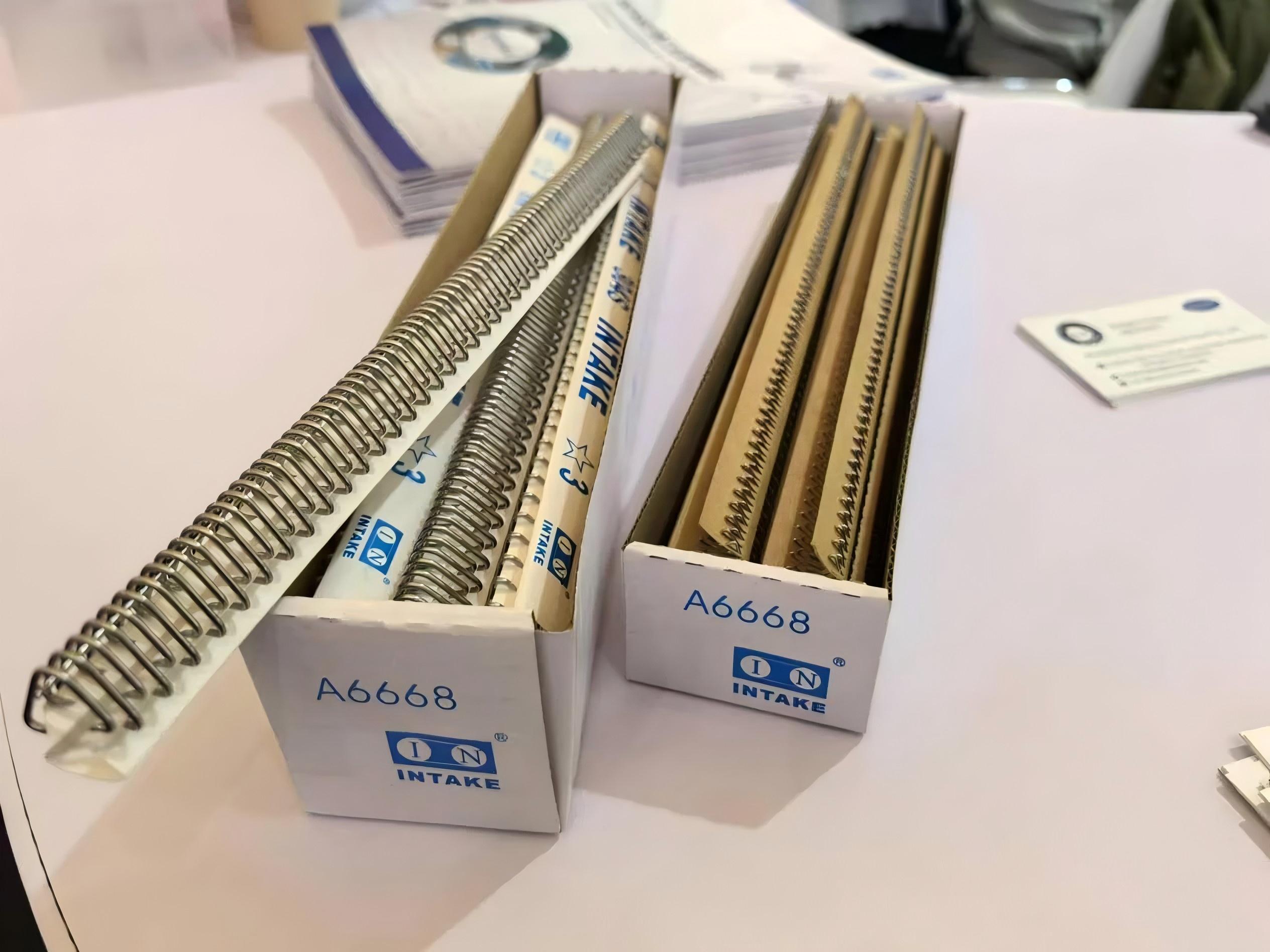
Global supply networks require versatile product options to serve different industrial environments, ranging from light commercial sorting facilities to demanding logistics centers. A versatile belt fastener manufacturer should provide multiple configurations, such as carded fastening systems and wire hook varieties, alongside the necessary installation machinery like manual roller lacers or hydraulic belt fastener machines. Our development teams concentrate on creating low-profile designs that minimize noise and run smoothly over conveyor rollers, which helps reduce wear on both the belt joint and the cleaning equipment. Having access to customized models and diverse packaging options, such as standardized 12 pieces per box specifications, allows global buyers to manage their inventory levels efficiently according to local market demands.


Production Capacity and Export Logistics Management

Operational efficiency within a factory directly influences its ability to fulfill large-scale international orders on time. Experienced belt fasteners manufacturers utilize streamlined production setups and automated assembly lines to maintain stable stock levels and minimize turnaround times. Having managed international shipments for over twenty years, we distribute our mechanical belt joining solutions across multiple regions, including East Asia, West Africa, Mexico, and Australia. A reliable partner handles international trade protocols smoothly, maintains consistent quality control documentation, and offers clear tracking from the factory floor to the final destination port. Ensuring your supplier has a proven history in global logistics helps protect your local operations from unexpected supply chain disruptions.

Identifying the right industrial partner requires looking beyond simple price structures to assess technical manufacturing capabilities, material quality, and logistical experience. Working with an established supplier ensures that your inventory meets international standards while maintaining the durability needed for demanding mechanical applications. Here at Intake, we remain committed to open technical discussions, precise quality assurance, and practical manufacturing solutions that support your business growth. Contact our team today via our online form or WhatsApp to discuss your specific technical requirements and request a sample for your next distribution cycle.