
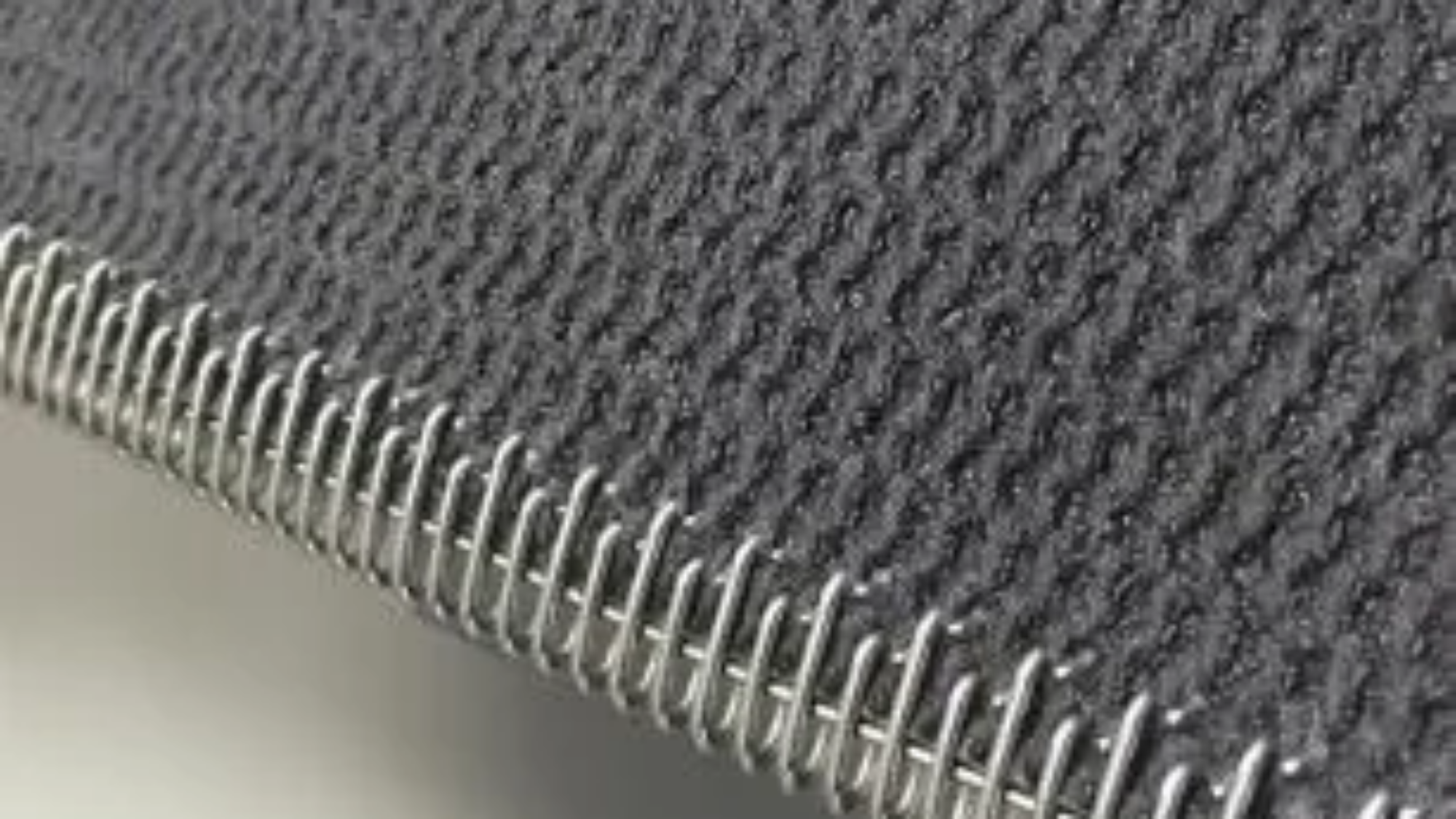
Effective maintenance routines often dictate the length of service for industrial equipment. When we approach belt repair at Intake, we prioritize methods that restore integrity without requiring extensive downtime. Implementing the right conveyor belt lacing is a fundamental step in ensuring that repairs are durable and that the belt remains functional under standard operational conditions.
Assessing the Need for Repair
Whenever we inspect a damaged belt, we first analyze the type of tear or splice separation. Many operations find that a steel wire hook provides the necessary mechanical strength to bridge gaps or re-join frayed ends securely. By using these fasteners, we can quickly stabilize the belt and get systems back to work. At Intake, our experience shows that keeping the correct inventory of fastening systems on hand allows for immediate responses to minor damage, preventing small issues from becoming costly replacements. Regular checks help identify wear early, allowing for quick application of these mechanical solutions to preserve the belt structure.
Applying Mechanical Fasteners Effectively
Applying a conveyor belt lacing system requires careful alignment to ensure the joint functions smoothly. We verify that the hooks are compatible with the specific thickness and tension requirements of the conveyor. Using a steel wire hook ensures that the load is distributed evenly across the belt width, which is critical for preventing further tearing during high-tension cycles. When we perform these repairs, we pay attention to the spacing and crimping pressure to create a seamless transition. This focus on installation quality helps maintain consistent belt movement and prevents uneven contact with rollers, which often causes additional stress on the repair site.
Long-Term Benefits of Proper Splicing
Repairing a belt with mechanical fasteners extends the utility of the material significantly when performed correctly. A properly installed steel wire hook acts as a reliable bridge, maintaining the belt’s original path and tension capabilities. We find that when the installation process is methodical, the resulting joint can handle repeated cycles without failing or snagging on components. The durability of a conveyor belt lacing repair depends largely on selecting the right gauge and material for the specific belt type. By ensuring each hook is seated firmly, we create a splice that supports stable operations and reduces the necessity for future interventions.
Maintaining Operational Continuity
Consistent attention to belt maintenance is essential for high-output environments. By standardizing our repair processes, we help keep downtime at a minimum and ensure that production flows remain steady. Utilizing mechanical fastening systems provides a straightforward, repeatable approach that works well across various industrial applications. Whether addressing a small tear or a full splice, the focus remains on restoring the belt to a reliable state. Proper documentation of these repairs also assists in tracking belt health over time, allowing for more informed decisions regarding maintenance schedules and part replacements, ultimately supporting a more resilient and efficient production facility.