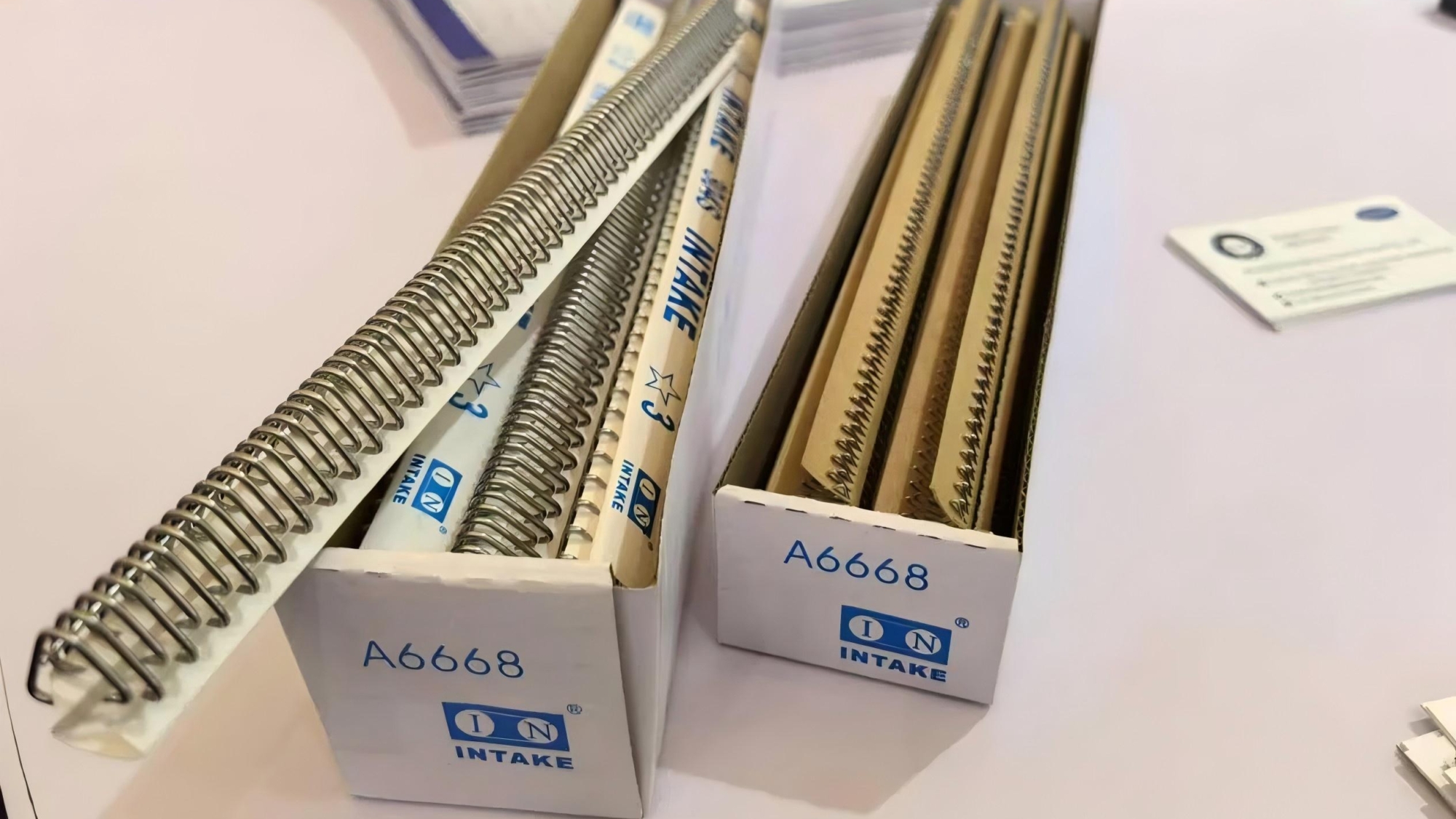
In mining, ports, and bulk handling industries, conveyor belts are responsible for transporting heavy materials through continuous operating environments. These systems often work under dust, vibration, impact, and high-load conditions, which means every connection component needs to match the actual working environment.
When we evaluate fastening solutions, we consider more than product specifications. Belt structure, material characteristics, operating conditions, installation methods, and maintenance requirements all influence the final selection. As a belt fastener manufacturer, we focus on helping industrial partners understand these factors and choose suitable fastening solutions for different conveyor applications.
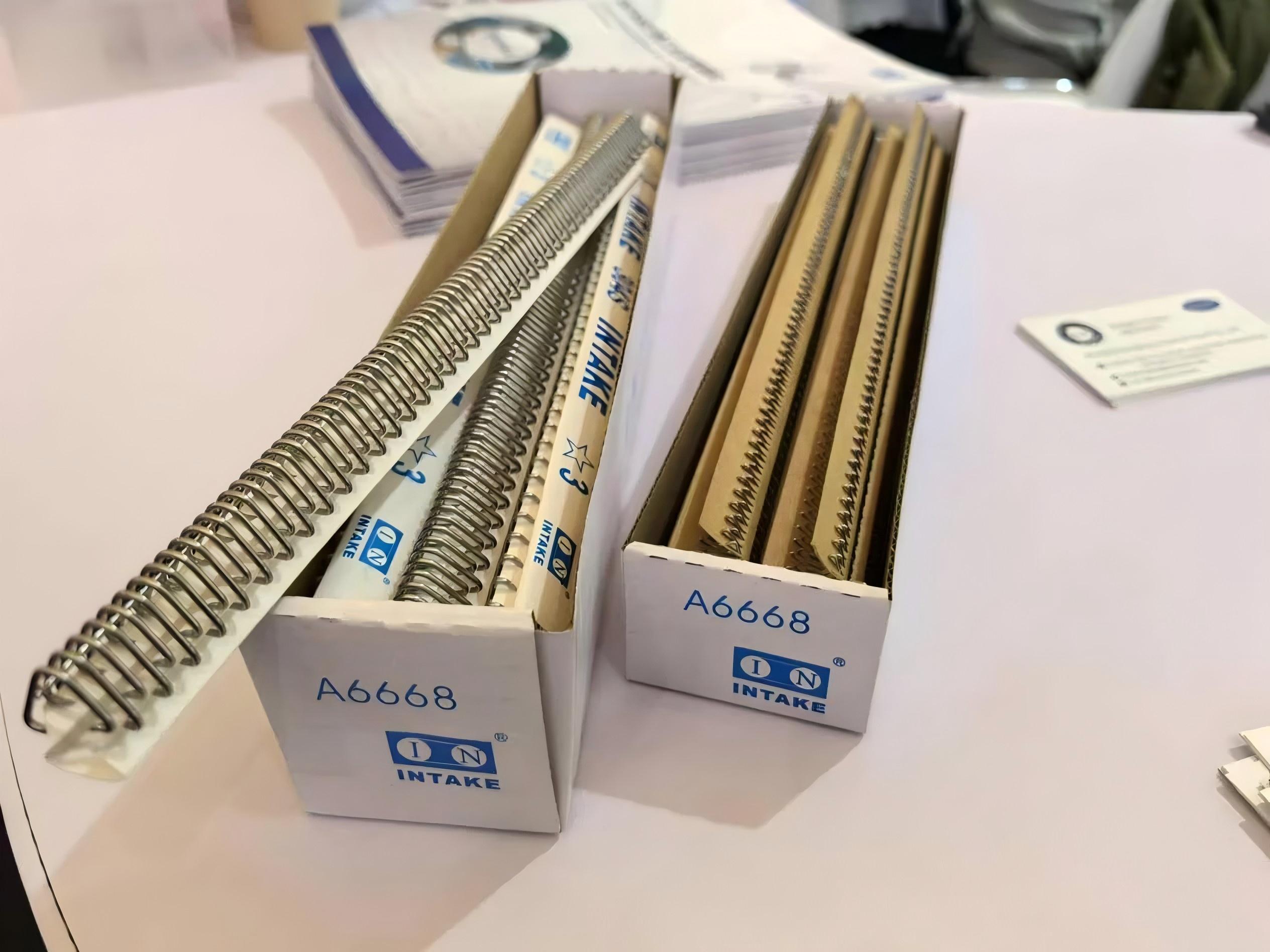
Understanding Conveyor Belt Fastening Requirements in Heavy Industries
Conveyor belt joints play an important role in maintaining transportation efficiency. In mining and bulk handling applications, belts may transport minerals, aggregates, coal, and other heavy materials over long operating periods. Because these systems often operate continuously, connection components need to match the demands of daily production.
Before selecting belt fasteners, we recommend evaluating several key factors. Belt thickness, belt material, operating tension, and environmental conditions can influence fastening performance. A conveyor working in a quarry may face different challenges compared with a conveyor used in a port loading system.
For example, heavy-duty applications may require fastening structures that can handle repeated mechanical stress. Meanwhile, systems with frequent maintenance schedules may place more importance on installation convenience and replacement efficiency.
At Intake, we communicate with distributors and industrial users to understand these application differences. Our approach is based on reviewing customer requirements and providing product information that helps partners compare suitable options.
Comparing Materials, Structures, and Installation Methods
Material selection is one of the most important considerations when purchasing conveyor belt fastening components. Industrial environments may involve moisture, dust, vibration, and repeated loading. Therefore, buyers need to compare material characteristics according to their actual operating conditions.
Different materials can influence corrosion resistance, wear performance, and service conditions. However, material alone does not determine whether a fastener is suitable. The connection structure, belt compatibility, and installation method also affect the final application result.
When we support customers, we focus on the relationship between the fastening component and the complete conveyor system. A product that works well in one environment may not always be suitable for another application.
As a global fastening manufacturer, we work with industrial partners to understand different requirements and provide practical fastening options. Our experience allows us to consider material selection, structural design, and application conditions together when discussing solutions with customers.
Evaluating Conveyor Applications Before Making Purchasing Decisions
Different industries may have different expectations for conveyor maintenance. Mining operations usually involve heavy materials and long operating hours, while port and bulk handling systems may require stable performance under continuous transportation conditions.
For buyers, understanding the application environment is an important step before purchasing. They should review how often the conveyor operates, what materials it transports, and what maintenance conditions exist at the working site.
We believe purchasing decisions should be based on compatibility rather than only initial cost. A suitable fastening system can help maintenance teams organize repair work more effectively and reduce unnecessary adjustments during installation.
At Intake, we support partners by providing application communication and technical information. As a belt fastener manufacturer, we help distributors and industrial users evaluate fastening requirements according to different conveyor maintenance situations.
Supplier Capability and Long-Term Cooperation Considerations
Selecting a supplier involves more than comparing products. Manufacturing capability, communication efficiency, customization support, and technical knowledge can influence long-term cooperation.
For distributors, flexibility is especially important because they often serve customers from different industries. A supplier that understands various application scenarios can help partners provide more suitable recommendations.
We work with business customers by discussing project requirements, product applications, and market needs. Through technical communication and practical support, we help partners better understand fastening solutions before introducing them to end users.
A professional global fastening manufacturer should not only provide products but also support customers with clear information and application understanding. This approach helps create more effective cooperation between suppliers, distributors, and industrial users.
Supporting Efficient Maintenance in Mining and Bulk Handling Systems
Regular inspection and maintenance are important for conveyor systems operating in demanding industries. Even suitable fastening products require correct installation and proper maintenance practices to support stable operation.
Maintenance teams usually need to monitor belt joints, fastening conditions, and overall system performance. Clear installation guidance and technical resources can help users understand how products should be applied in different environments.
At Intake, we provide product resources and communication support for industrial partners involved in mining, ports, and bulk handling applications. Our focus is helping customers understand product selection and maintenance requirements through practical cooperation.
Conclusion: Selecting the Right Partner for Conveyor Belt Fastening Solutions
Choosing suitable belt fasteners requires a comprehensive evaluation of application conditions, material performance, installation requirements, and supplier capability. For mining, ports, and bulk handling projects, selecting the right connection system can support more organized maintenance planning and daily operations.
Working with an experienced supplier helps buyers make better decisions throughout the purchasing process. As a global fastening manufacturer, Intake continues to support distributors and industrial users through technical communication, customized solutions, and application-focused services.