Conveyor Belt Fasteners vs. Vulcanization

Conveyor Belt Fasteners vs. Vulcanization: How to Choose?

In modern material handling systems, conveyor belt fasteners and vulcanization are the two most widely used methods for joining conveyor belts. Choosing the wrong one can cripple your throughput, inflate your maintenance budget, and shorten your belt’s working life. This guide cuts through the complexity to help your business make the right call for the first time.

Conveyor Belt Fasteners vs. Vulcanization


What Are Conveyor Belt Fasteners?

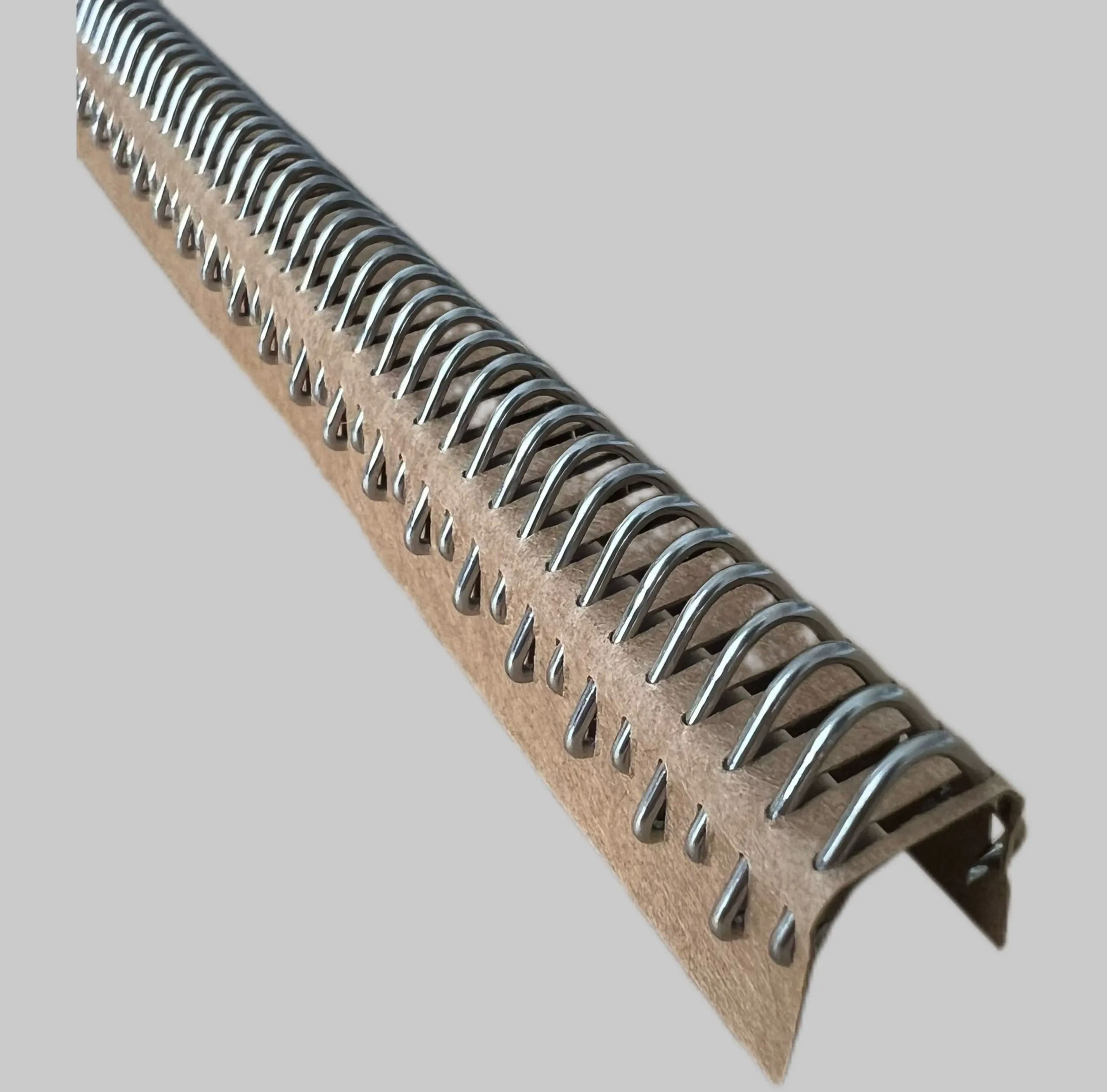
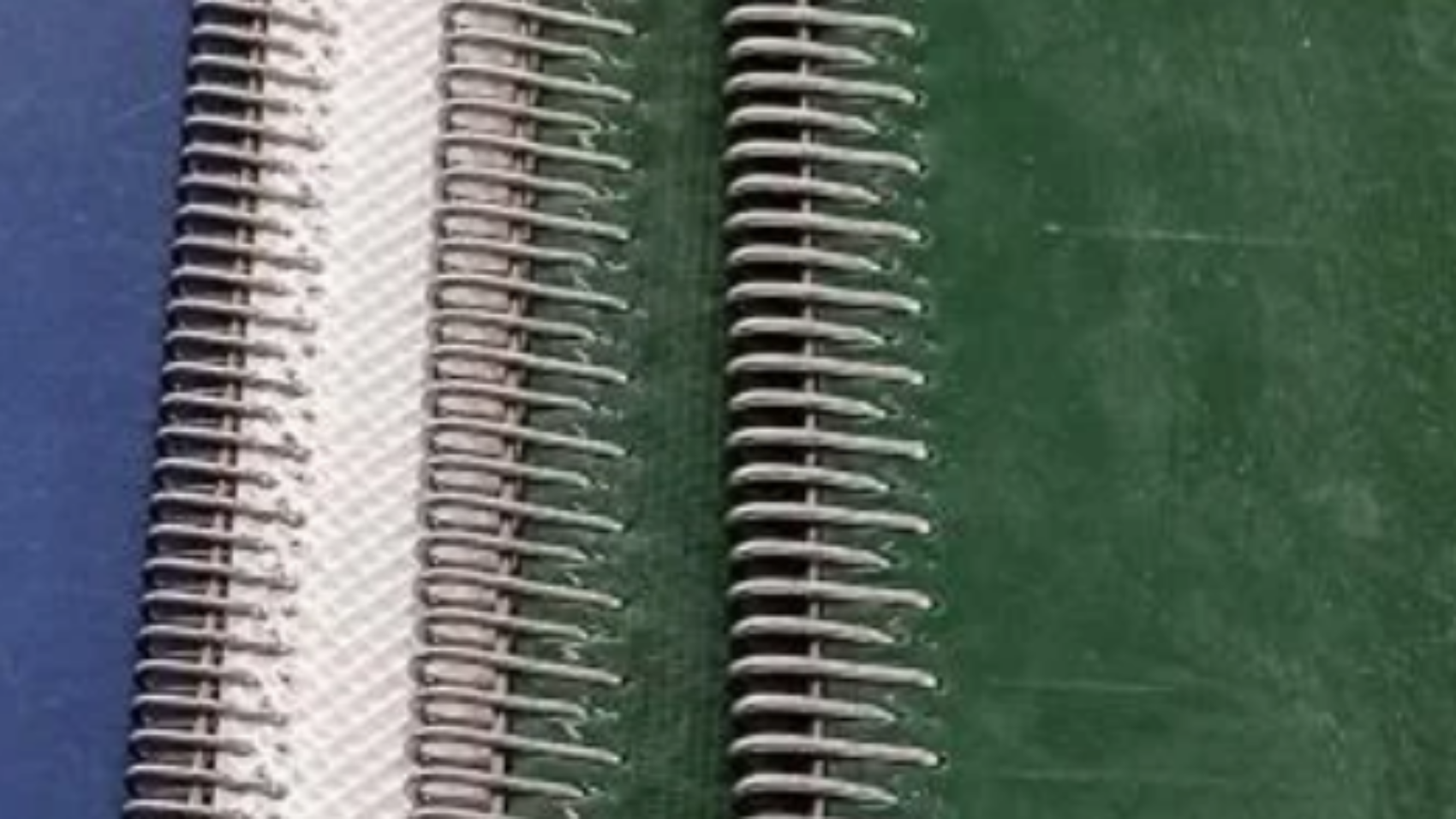
Conveyor belt fasteners are mechanical joining systems designed to connect the two ends of a conveyor belt without heat or chemical bonding. Instead of permanent fusion, they use metal or composite components to hold the belt together securely.

They are a go-to conveyor belt solution for operations that need speed, flexibility, and field-repairability.

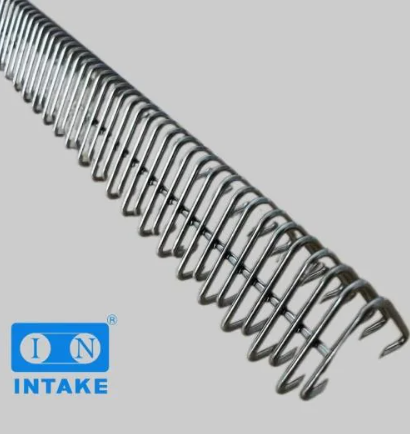
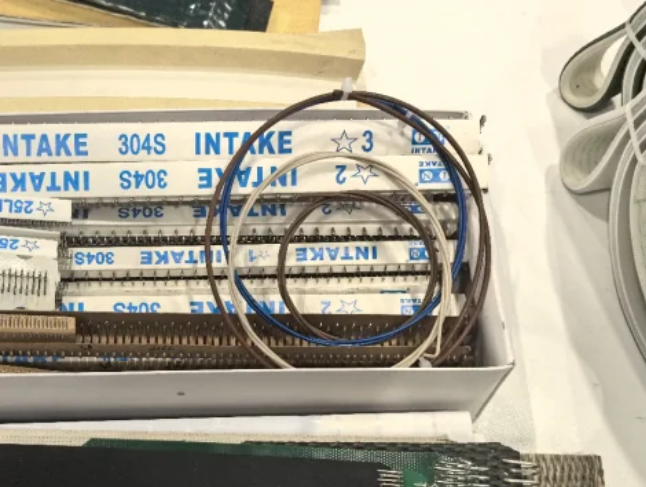
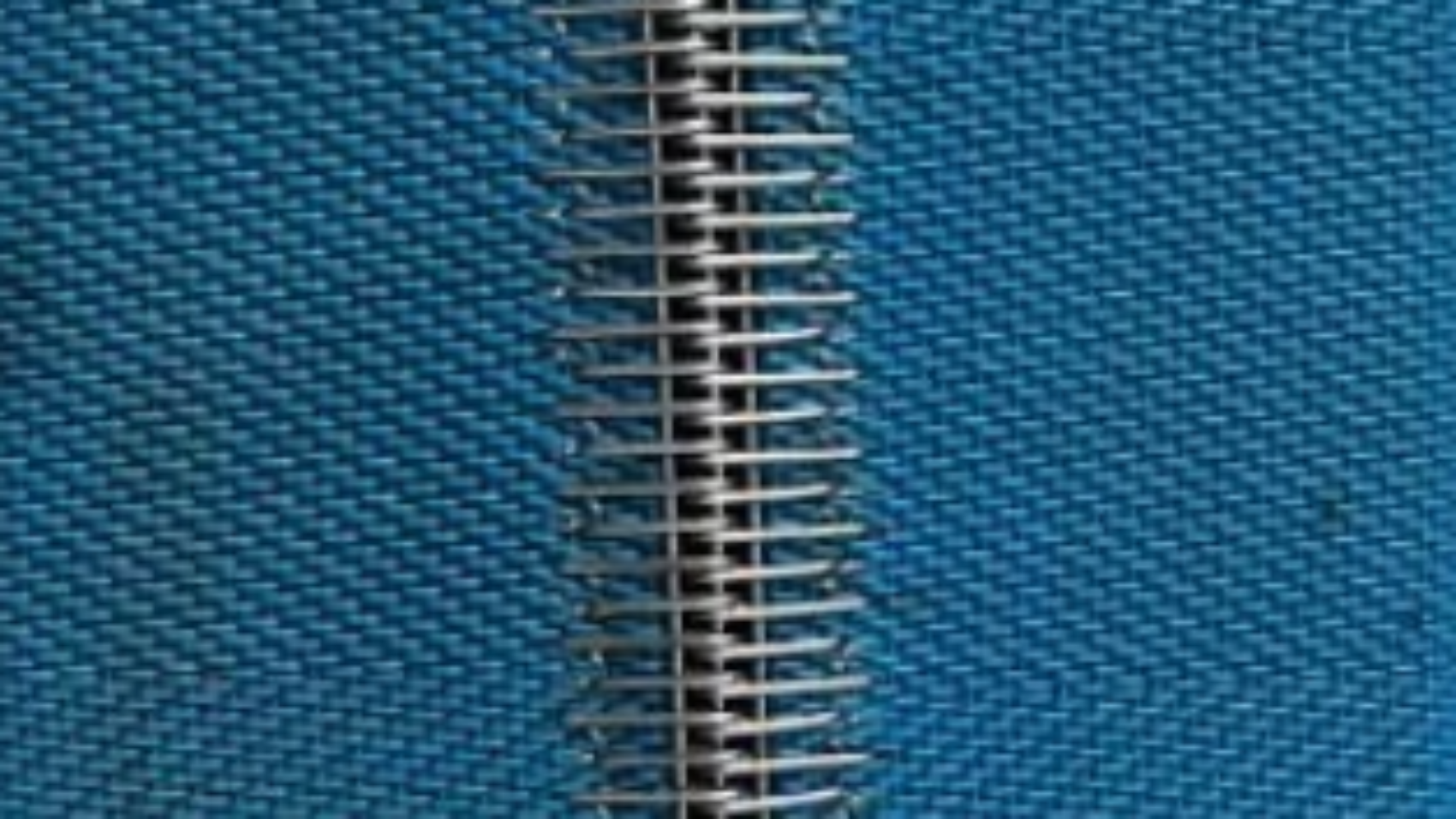
Logistics Industry Belt Fastener

Common Types of Belt Fasteners

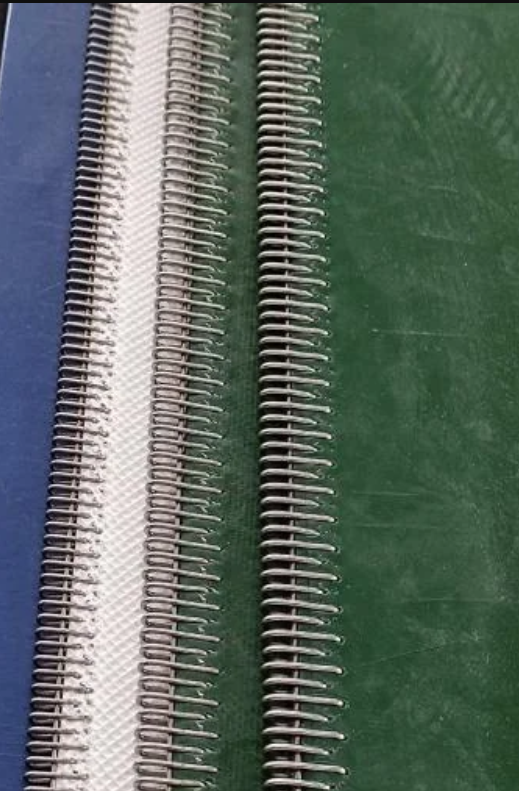
  • Hinged fasteners: Interlocking hinge loops joined by a center pin. Ideal for medium-duty applications where the belt needs to be opened and closed repeatedly. Popular in logistics sorting lines and food processing.
  • Solid plate fasteners: Heavy-duty metal plates that bolt across both belt ends. Designed for high-tension, high-load environments such as mining, corrugated paper production, and bulk material handling.
  • Light-duty fasteners: Thin, low-profile options designed for lightweight or thin belts. Commonly used in laundry, textile, and eco-friendly polyester mesh belt applications where a flush surface matters.

Key Advantages of Conveyor Belt Fasteners

  • Quick installation with minimal downtime
  • Easy repair and replacement in the field
  • Reusable components depending on design
  • Flexible maintenance scheduling

What Is Vulcanization?

Vulcanization is a chemical bonding process that fuses the two ends of a conveyor belt using heat and pressure (hot vulcanization) or chemical adhesives (cold vulcanization). The result is a seamless, molecularly bonded joint that becomes part of the belt itself.

It is the preferred method when joint integrity and surface continuity are the top priorities.

Types of Vulcanized Joints

  • Hot vulcanization: Uses a vulcanizing press to apply heat (140–160°C) and pressure for an extended curing period. Produces the strongest possible joint, closely matching the belt’s original tensile strength.
  • Cold vulcanization: Uses chemical bonding agents and adhesives at ambient temperature. Faster than hot vulcanization, but generally produces a slightly weaker joint. Useful in environments where a press cannot be used.

Key Advantages of Vulcanization

  • Smooth and seamless belt surface
  • High tensile strength and load capacity
  • Reduced noise and vibration during operation
  • Better performance in high-speed applications

While vulcanization provides excellent structural integrity, it requires specialized tools, skilled technicians, and longer downtime during installation.

7 Factors to Compare Conveyor Belt Fasteners with Vulcanization

Choosing between conveyor belt fasteners and vulcanization depends on the following several factors:

1. Strength & Durability

Vulcanized joints offer superior tensile strength, making them better suited for high-tension systems carrying heavy loads. Conveyor belt fasteners, however, can handle demanding industrial loads while remaining serviceable in the field.

2. Downtime & Installation Speed

This is where conveyor belt fasteners win decisively. Mechanical installation takes several minutes. Vulcanization typically requires 4–8 hours of preparation, bonding, and curing, plus cooling time.

3. Cost Considerations

  • Initial cost: Fasteners are significantly cheaper to purchase and install. Vulcanization requires specialized equipment, trained technicians, and consumables.
  • Long-term cost: Vulcanized joints generally last longer between re-splicing, which can offset the higher upfront investment over time.
  • Hidden costs: Every hour of unplanned downtime for vulcanization repair has a real dollar cost, often exceeding the hardware savings.

4. Technical Complexity

Vulcanization requires trained specialists and controlled conditions. Conveyor belt fasteners can be installed by maintenance staff with basic training and standard tools, reducing dependency on specialized contractors.

5. Maintenance Flexibility

Mechanical fasteners allow for on-the-fly adjustments, re-splicing, and belt length changes without cutting and discarding belt material. Vulcanized belts must be cut and re-spliced from scratch if adjustments are needed, which wastes belt material and time.

6. System Compatibility

Some belt types, particularly thin polyester mesh belts and lightweight textile belts, are not well-suited to vulcanization. The heat and pressure required can damage the belt’s structure. In these cases, conveyor belt fasteners are the safer, more compatible choice.

7. Environmental Suitability

Wet, chemical-heavy, or hygienic environments introduce challenges for both methods. Certain vulcanizing adhesives can degrade in wash-down conditions. Conversely, some fastener materials are susceptible to corrosion in aggressive chemical environments. Material selection matters for both methods.

Conveyor Belt Fasteners vs. Vulcanization: Beyond the Specs

1. The “Permanent vs. Practical” Trade-off

Vulcanization maximizes joint integrity, but it trades operational flexibility for raw strength. Conveyor belt fasteners optimize agility: faster repairs, lower barriers to maintenance, and the freedom to adjust belt length without scrapping material. The question is which method better fits your real-world operational rhythm.

2. The Hidden Cost of Downtime

In high-throughput logistics hubs and corrugated paper lines, production runs continuously. A vulcanization repair that takes 6 hours does not just cost the price of the splice, it costs 6 hours of lost output. In such cases, conveyor belt fasteners significantly reduce production losses compared to vulcanization.

3. The Cleanability Gap Often Gets Overlooked

For polyester mesh belts and laundry applications, belt hygiene is regulatory. Conveyor belt fasteners are specifically designed to minimize product catch points and pass wash-down protocols. Seamless vulcanized surfaces sound ideal in theory, but in practice, any surface imperfection in a vulcanized splice can become a contamination trap.

4. One Size Does Not Fit All

The optimal joint solution is application-specific, driven by belt type, load requirements, environmental conditions, maintenance capacity, and operational tempo. The most important step is to assess your priorities honestly, then match the method to your reality.

Choosing the Right Solution for Different Industries

IndustryRecommended SolutionReason
Express & LogisticsConveyor belt fastenersFast repair and minimal downtime
Eco-Friendly Polyester Mesh BeltsConveyor belt fastenersFlexible maintenance and wash-down compatibility
Laundry & TextileConveyor belt fastenersEasy cleaning and replacement cycles
Industrial ConveyingVulcanization or hybridHigh load stability requirements
Corrugated PaperConveyor belt fastenersReduces production interruption costs

FAQs

1. Which conveyor belt joint method lasts longer overall?

Vulcanized joints generally have a longer service life when properly executed, as the bond integrates with the belt material itself. However, conveyor belt fastener suppliers like Intake offer competitive service life.

2. How often do fasteners need replacement compared to vulcanized joints?

This depends heavily on operating conditions, belt speed, and load. In moderate-duty applications, mechanical fasteners can last 6–18 months before requiring attention.

3. Which method is better for wet or chemical-heavy environments?

Stainless steel or coated mechanical fasteners are often the better choice in wet or chemically aggressive environments. Some vulcanizing adhesives can break down under prolonged exposure to water, oils, or cleaning chemicals.

4. Can a vulcanized belt be repaired if the splice fails?

Yes, but it requires cutting out the failed splice, re-preparing the belt ends, and performing a new vulcanization. This process takes hours and requires the same specialized equipment as the original splice.

5. Which option offers lower total operating costs?

It depends on your operation. For high-frequency, 24/7 lines where downtime is expensive, conveyor belt fasteners often deliver the lower total operating cost. For slower-moving, heavy-load systems with infrequent maintenance windows, vulcanization’s longer service life may tip the balance.

Conclusion

There is no universal winner between vulcanization and conveyor belt fasteners. The best joining method depends on your operational priorities, your belt type, your environment, and the maintenance resources you actually have available.

If you are still hesitate to which one to choose, contact us right now. Whether you are selecting a joining method for a new line or re-evaluating your current approach, our technical team is ready to help you find the right fit.

conveyor belt lacing

How Wire Hook Fastening Systems Support Belt Repair

Effective maintenance routines often dictate the length of service for industrial equipment. When we approach belt repair at Intake, we prioritize methods that restore integrity without requiring extensive downtime. Implementing the right conveyor belt lacing is a fundamental step in ensuring that repairs are durable and that the belt remains functional under standard operational conditions.

conveyor belt lacing

Assessing the Need for Repair

Whenever we inspect a damaged belt, we first analyze the type of tear or splice separation. Many operations find that a steel wire hook provides the necessary mechanical strength to bridge gaps or re-join frayed ends securely. By using these fasteners, we can quickly stabilize the belt and get systems back to work. At Intake, our experience shows that keeping the correct inventory of fastening systems on hand allows for immediate responses to minor damage, preventing small issues from becoming costly replacements. Regular checks help identify wear early, allowing for quick application of these mechanical solutions to preserve the belt structure.


Applying Mechanical Fasteners Effectively

Applying a conveyor belt lacing system requires careful alignment to ensure the joint functions smoothly. We verify that the hooks are compatible with the specific thickness and tension requirements of the conveyor. Using a steel wire hook ensures that the load is distributed evenly across the belt width, which is critical for preventing further tearing during high-tension cycles. When we perform these repairs, we pay attention to the spacing and crimping pressure to create a seamless transition. This focus on installation quality helps maintain consistent belt movement and prevents uneven contact with rollers, which often causes additional stress on the repair site.


Long-Term Benefits of Proper Splicing

Repairing a belt with mechanical fasteners extends the utility of the material significantly when performed correctly. A properly installed steel wire hook acts as a reliable bridge, maintaining the belt’s original path and tension capabilities. We find that when the installation process is methodical, the resulting joint can handle repeated cycles without failing or snagging on components. The durability of a conveyor belt lacing repair depends largely on selecting the right gauge and material for the specific belt type. By ensuring each hook is seated firmly, we create a splice that supports stable operations and reduces the necessity for future interventions.


Maintaining Operational Continuity

Consistent attention to belt maintenance is essential for high-output environments. By standardizing our repair processes, we help keep downtime at a minimum and ensure that production flows remain steady. Utilizing mechanical fastening systems provides a straightforward, repeatable approach that works well across various industrial applications. Whether addressing a small tear or a full splice, the focus remains on restoring the belt to a reliable state. Proper documentation of these repairs also assists in tracking belt health over time, allowing for more informed decisions regarding maintenance schedules and part replacements, ultimately supporting a more resilient and efficient production facility.

conveyor belt lacing

Conveyor Belt Lacing vs. Conveyor Belt Fasteners: What Is the Difference?

Terminology in the industrial sector often overlaps, which can lead to confusion when maintenance teams source hardware for their equipment. At Intake, we frequently hear questions regarding the distinction between broad categories and specific fastening technologies. While many professionals use these terms interchangeably, there are nuances in how these components function within a material handling system. Recognizing these differences helps personnel identify the correct hardware for specific load requirements and belt types.

conveyor belt lacing

Defining Conveyor Belt Lacing

Technically, conveyor belt lacing serves as a general term for the mechanical joining of belt ends. It represents the physical connection method where two sides of a belt are linked together to form a loop. This process is intended to facilitate easy installation and repair without requiring extensive vulcanization equipment. We observe that many facilities utilize this method to reduce downtime. Because it acts as an umbrella term, it encompasses various styles and mechanisms designed to handle tension while maintaining belt alignment during operation.


The Role of a Wire Hook Fastening System

A wire hook fastening system represents a specific type of mechanical hardware used to achieve the lacing effect. These systems consist of individual wire hooks that are pre-mounted on a card, which allows for precise spacing and uniform insertion into the belt. When we process requests at Intake, we emphasize that this specific configuration provides a consistent grip across the splice area. The wire hooks penetrate the belt carcass and are compressed to create a secure, low-profile joint. This design is particularly effective for thinner belts where a flush surface is required to pass over small diameter pulleys.


Comparing Mechanical Differences

When comparing general lacing to a specialized wire hook fastening system, the primary difference lies in the design intent and application capacity. General lacing can refer to a wide variety of hardware, ranging from heavy-duty plate fasteners to lighter hook-style connectors. Conversely, a wire hook system offers a more refined, flexible joint that minimizes impact as it travels over rollers. The choice between these options depends on the thickness of the belt, the abrasive nature of the material, and the tension requirements of the conveyor. Professionals must assess these variables to ensure the mechanical connection supports the intended operational life of the system.


Impact on Maintenance Efficiency

Maintenance routines depend on the accessibility and reliability of the hardware installed on the conveyor. Utilizing a structured wire hook fastening system allows for faster belt repair times, as the pre-carded hooks are designed for rapid application with appropriate lacing tools. We see that by standardizing the hardware used across a facility, maintenance crews can carry a smaller inventory of spare parts while ensuring that every splice meets the same quality standards. Whether using basic lacing or a more advanced hook configuration, the objective remains the same: ensuring that the conveyor continues to transport materials without unexpected breaks. Proper management of these components effectively bridges the gap between downtime and productivity.

In conclusion, distinguishing between the broad concept of lacing and the specific mechanics of a wire hook fastening system is essential for operational success. While the terms relate to the same final goal of joining belt ends, the specific hardware used dictates the performance and durability of the conveyor splice. By evaluating the specific needs of your conveyor equipment, you can implement the most effective joining method for your daily operations. Proper knowledge of these technical details ensures that maintenance remains a predictable and efficient aspect of your industrial workflow, supporting steady output levels over time.

conveyor belt hinge pin

Heavy Duty Hinge Pin Selection Guide for Conveyor Belt Repair

Maintaining conveyor systems requires a practical approach to hardware, especially when addressing wear at the splice. We frequently consult with maintenance teams who need reliable solutions for belt repairs, and we recognize that the hardware used in a splice directly impacts how long a repair lasts. When we provide a conveyor belt hinge pin at Intake, our focus remains on ensuring that the physical characteristics of the fastener match the demands of the application. By focusing on the specific needs of your operation, we ensure that your maintenance tasks remain manageable and effective.

conveyor belt hinge pin

Evaluating Material Requirements for Splices

Environmental conditions dictate the necessary properties of the components used to secure a belt. We advise that when moisture, chemicals, or abrasive materials are present, using stainless steel hinge pins is a common way to prevent corrosion and premature seizing within the fastener loops. Corrosion can quickly compromise the mechanical integrity of the joint, leading to a loss of flexibility and potential belt failure. At Intake, we prioritize providing durable materials that perform reliably in challenging settings, which helps simplify the maintenance process for your staff.


Balancing Strength and Flexibility

Successful belt repairs require a balance between structural strength and the ability to articulate over various pulleys. We see that a conveyor belt hinge pin must be strong enough to withstand the load of the material being moved, while still being flexible enough to allow the splice to pass over rollers without creating high stress concentrations. If a pin is too rigid, it can damage the belt carcass; if it is too soft, it may deform under tension. Using stainless steel hinge pins provides a middle ground that allows for sufficient strength while maintaining the required flexibility for long-term service.


Installation Efficiency and Maintenance

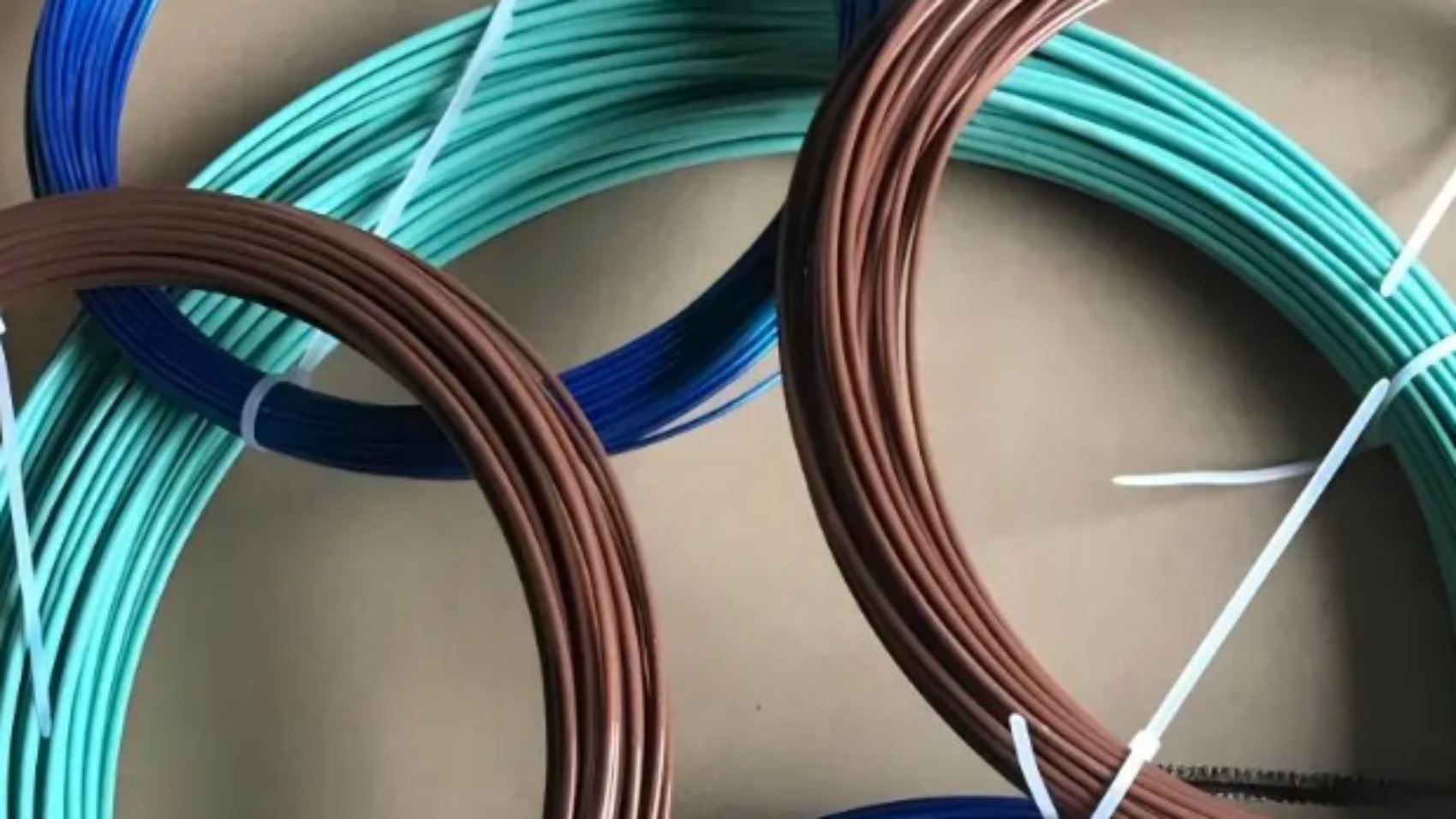
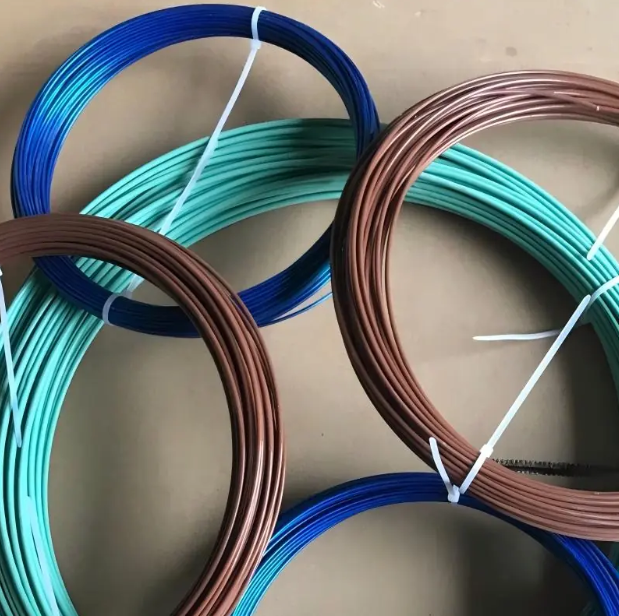
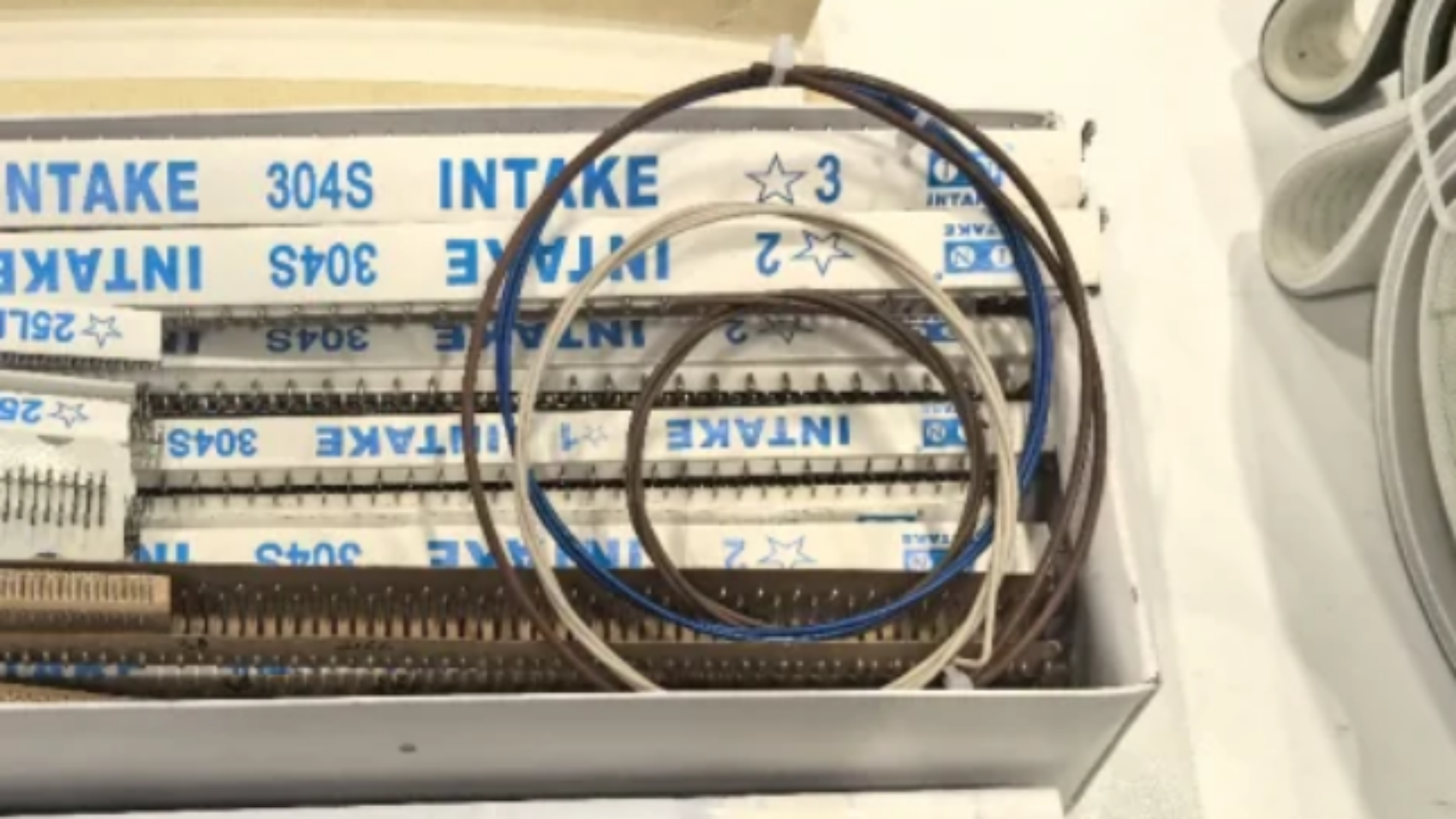
Reducing the time required for a belt repair is a major goal for many operations. We offer carded fastening systems designed to keep components organized and accessible, which aids your team during critical repair windows. When the correct conveyor belt hinge pin is readily available, the process of replacing or repairing a joint becomes much faster, minimizing the time your conveyor remains inactive. By keeping high-quality parts on hand, your maintenance department can address minor issues before they grow into significant operational interruptions, keeping the production line functional and safe.


Operational Longevity in Repairs

Focusing on the right components creates a stable foundation for your conveyor equipment. We have found that the longevity of a belt splice relies heavily on the quality and the material properties of the hardware utilized. By using stainless steel hinge pins that are matched to the specific belt and application requirements, your team can expect a consistent performance that reduces the frequency of emergency repairs. We remain committed to helping you identify the right parts to keep your systems running smoothly, ensuring that every repair contributes to the overall stability and output of your facility for the long term.

conveyor belt hinge pin

Stainless Steel Hinge Pins for Conveyor Belt Fastening Applications

Corrosion resistance and structural reliability remain primary concerns for professionals maintaining conveyor systems in challenging environments. When equipment operates in wet, acidic, or high-humidity conditions, the hardware used to secure belt ends must resist degradation to prevent premature splice failure. At Intake, we address these specific operational requirements by providing specialized hardware designed to maintain joint integrity over extended periods. Our focus involves evaluating how specific material grades, such as stainless steel, influence the service life of a belt splice in industrial settings.

conveyor belt hinge pin

The Material Advantage of Stainless Steel

Resistance to chemical attack and environmental oxidation is the primary reason for utilizing stainless hinge pins in conveyor systems. Unlike standard carbon steel, which may rust rapidly when exposed to moisture, stainless steel maintains its surface integrity. At Intake, we supply these components because they provide a stable solution for operators who cannot afford the maintenance overhead associated with corroded hardware. A rusted pin often expands or becomes brittle, which causes increased friction within the fastener loops and eventually leads to a broken splice.

Integrating a stainless hinge pin into a fastening system also simplifies routine maintenance tasks. Because the material is highly resistant to atmospheric corrosion, these pins are less likely to seize within the fastener loops over time. This makes the replacement process significantly more efficient during scheduled downtime. We observe that facilities using these higher-grade pins experience fewer instances of stuck hardware, which allows maintenance crews to remove and install belts with greater consistency and less physical effort.


Structural Performance in Fastening Systems

Functional reliability depends on how the conveyor belt hinge pin interacts with the mechanical fastener plates. Even in harsh conditions, the pin must retain its tensile strength to handle the constant tension of the belt. We ensure that our production processes deliver dimensions that fit precisely within the loops of the fastening system. When the fit is correct, load distribution across the splice becomes uniform, which prevents localized stress concentrations that often cause belt edges to fray or fasteners to pull out.

The mechanical design of the conveyor belt hinge pin must also accommodate the flexibility required for the belt to traverse pulleys. In environments where stainless steel is specified, we pay close attention to the hardness of the alloy. It is necessary for the pin to be durable enough to withstand the abrasive forces of the belt material while remaining flexible enough to bend without snapping. By maintaining these specific mechanical properties, we support the operational uptime required for continuous material handling processes.


Ensuring Long-term Maintenance Stability

Reliable operation is achieved when the hardware used for belt joining meets the specific demands of the site environment. We emphasize that maintenance managers should verify the material compatibility of their stainless hinge pins with the existing belt type and fastener style. Using mismatched components can lead to galvanic corrosion or accelerated wear, negating the benefits of the stainless material. Our team provides technical guidance to ensure that every component serves its purpose within the assembly without compromising the performance of the belt.

Effective maintenance involves looking at the entire splice as a system. When we deploy a high-quality conveyor belt hinge pin, we are focused on the long-term interaction between the pin and the fastener plates. This approach minimizes the frequency of emergency repairs and supports a more predictable maintenance schedule. By relying on durable hardware, site operators can maintain steady production rates even in environments where standard steel components would fail. The technical precision we apply to these products helps support the mechanical health of conveyor systems across various industrial sectors.

hydraulic belt fastener machine

Conveyor Belting Tools Every Maintenance Team Should Know

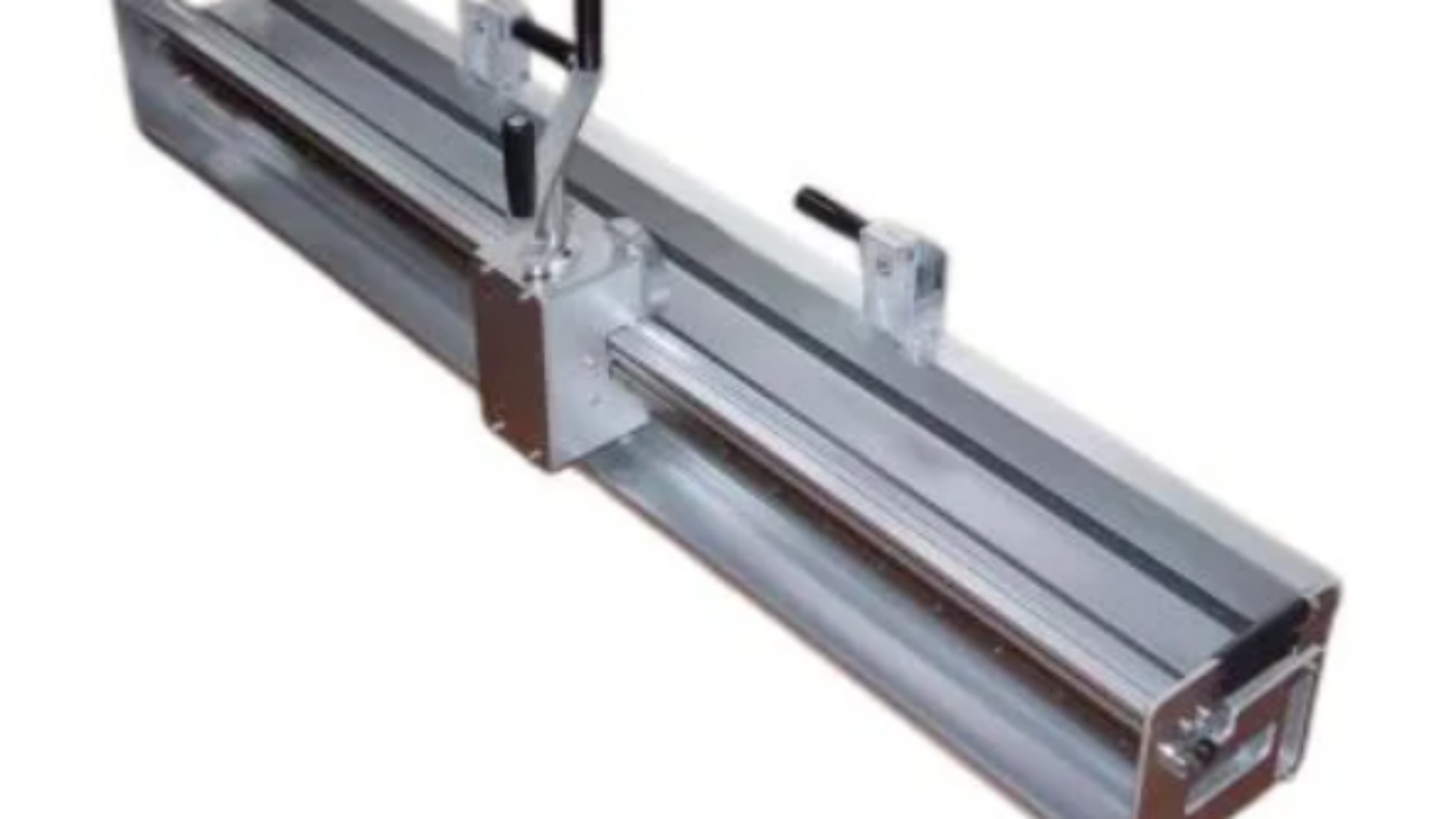
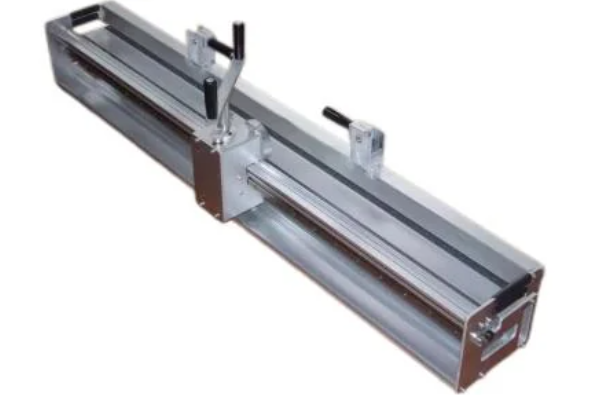
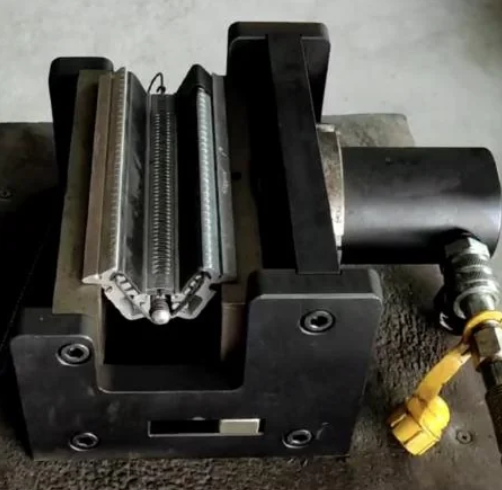
Maintenance crews face significant pressure to minimize operational pauses while ensuring the safety and longevity of conveyor infrastructure. To achieve this, specialized equipment is necessary for managing the integrity of high-tension belts. At Intake, we prioritize practical solutions that enable technicians to perform repairs with speed and accuracy. A reliable hydraulic belt fastener machine serves as the backbone for these activities, providing the necessary force to secure fasteners without risking damage to the belt material. By equipping teams with appropriate heavy duty conveyor belt lacing systems, facilities can address maintenance needs before they evolve into costly failures.

hydraulic belt fastener machine

Maintaining Joint Strength With Specialized Hydraulics

Consistent joint strength is critical for the continuous operation of any belt system. When installing mechanical fasteners, the ability to apply even pressure across the entire splice width is essential. We find that a hydraulic belt fastener machine provides this consistency, preventing uneven tension that often leads to early splice fatigue. By utilizing precise heavy duty conveyor belt lacing systems, crews ensure that the belt remains square and stable while under load. This methodical approach to installation reduces the risk of joint breakage, which is a common challenge in demanding industrial environments where conveyors operate around the clock.


Improving Repair Efficiency in Industrial Environments

Operational efficiency requires tools that are easy to manage in confined or remote areas of a facility. Maintenance teams often need equipment that offers high power output without requiring complex power supplies or permanent installations. Our focus involves using a hydraulic belt fastener machine designed for portability and field use, allowing for rapid repairs directly at the conveyor line. These heavy duty conveyor belt lacing systems help streamline the maintenance workflow by reducing the time required to complete each splice. When we rely on durable, field-tested equipment, we minimize the duration of unplanned stops and maintain steady production levels across the entire site.


Extending Asset Life Through Proactive Maintenance

Protecting your investment in conveyor belting involves regular, informed maintenance practices. Wear and tear at the splice area often serve as the primary indicators that a belt requires attention. By implementing a disciplined routine that utilizes a professional-grade hydraulic belt fastener machine, your team can extend the functional lifespan of the belt significantly. We recommend that maintenance schedules incorporate inspections of all heavy duty conveyor belt lacing systems to identify potential issues before they cause system-wide disruptions. Using the right tools to create clean, durable splices ensures that the belt travels smoothly over rollers and pulleys, which minimizes friction and preserves the condition of the hardware over the long term.

In conclusion, the efficacy of a maintenance program depends on the quality and application of the tools provided to the technical team. By integrating a dedicated hydraulic belt fastener machine and robust heavy duty conveyor belt lacing systems into your daily operations, you support a more predictable and stable conveyor environment. At Intake, we recognize that practical, reliable equipment serves as the primary factor in keeping industrial facilities running without unnecessary interruptions. Establishing a consistent maintenance routine requires not only skill but also the use of high-performance tools designed for the demands of industrial transport. By prioritizing these components, you ensure that your conveyor lines continue to function effectively, meeting the needs of your production environment while minimizing the downtime typically associated with belt maintenance.

hydraulic belt fastener machine

How Hydraulic Belt Fastener Machines Improve Installation Accuracy

Installation accuracy remains a critical factor for any facility manager tasked with maintaining consistent conveyor throughput. At Intake, we prioritize methods that minimize variations during the splicing process, as even slight misalignments can lead to significant operational disruptions. A hydraulic belt fastener machine provides the necessary mechanical advantage to ensure that every splice is executed with absolute precision, effectively neutralizing the common pitfalls associated with manual installation techniques.

hydraulic belt fastener machine

Consistent Pressure Distribution

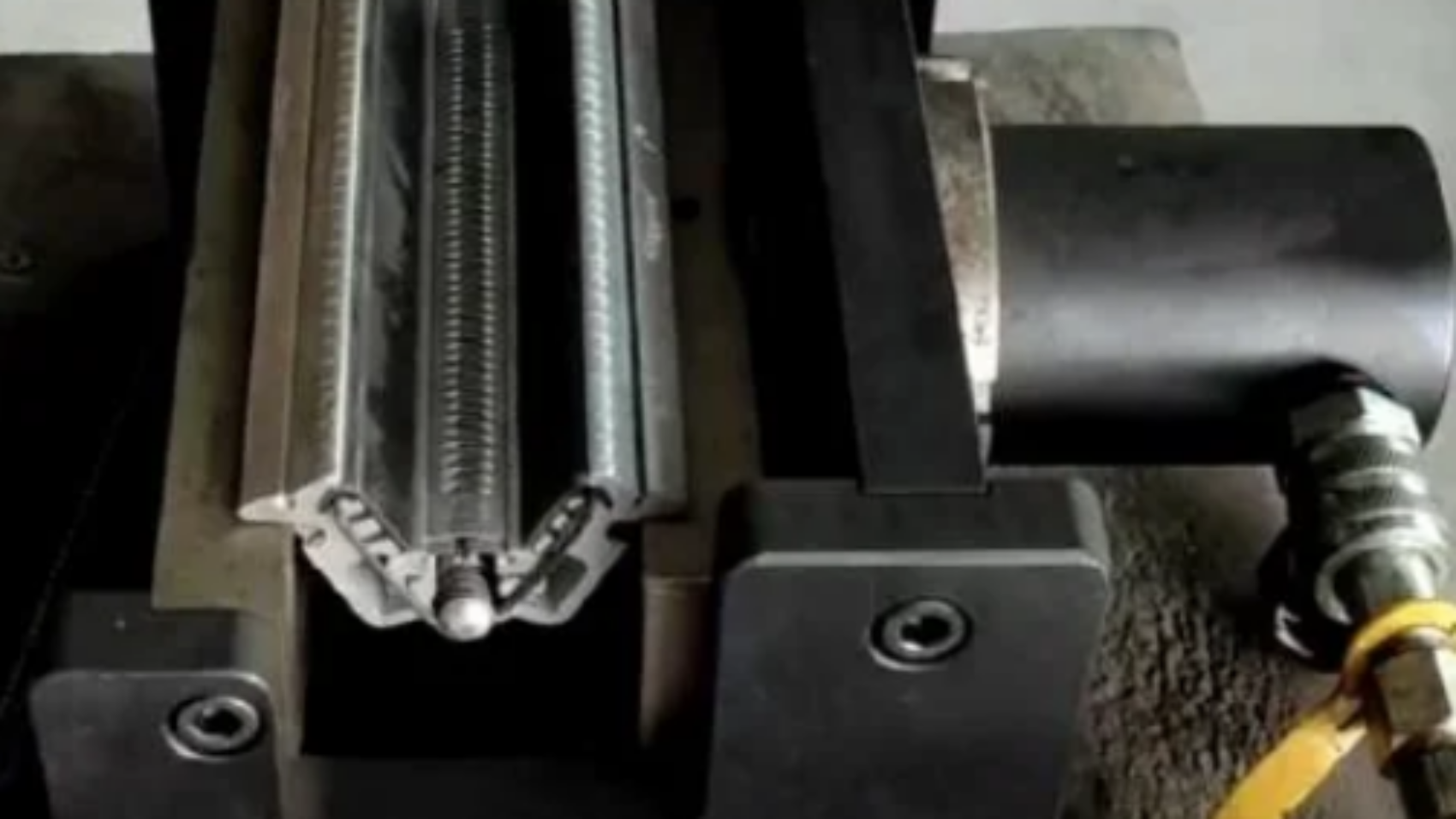
Achieving a uniform hold across a wide conveyor belt requires balanced force during the application of fasteners. When we utilize a hydraulic belt fastener machine, the hydraulic fluid dynamics allow for a steady, controlled distribution of pressure that is difficult to maintain by hand. This consistent force ensures that each hook or plate penetrates the belt carcass evenly. By integrating this hardware into your maintenance workflow, you create a stable environment where heavy duty conveyor belt lacing remains aligned, preventing the uneven tension that often causes belt tracking issues later on.


Mitigating Human Error in Lacing

Manual installation often relies on the physical strength and fatigue levels of the operator, which can introduce inconsistencies over a long shift. We find that the automation provided by a hydraulic belt fastener machine removes the variability inherent in manual hammering or light-duty tools. By relying on a dedicated hydraulic machine system, technicians can replicate the exact pressure settings for every splice. This process consistency is paramount when managing heavy duty conveyor belt lacing, as it ensures the integrity of the mechanical bond remains identical across multiple segments of the belt.


Ensuring Structural Integrity under Load

Heavy duty conveyor belt lacing must withstand immense pressures during high-capacity material transport. The structural integrity of the joint is only as good as the installation process itself. Intake provides equipment that enables operators to achieve full, flush seating of fasteners, which is crucial for reducing stress concentrations on the belt ends. When fasteners are installed with the exact force required, the lifespan of the conveyor belt is effectively prolonged. Our approach focuses on providing durable solutions that ensure your heavy duty conveyor belt lacing stays secure, even under the rigorous demands of daily industrial operation.


Operational Advantages of Specialized Equipment

Refining your maintenance procedures with specialized tools yields long-term benefits for system reliability. A well-calibrated hydraulic belt fastener machine enables your maintenance crew to perform repairs with speed and accuracy. By adopting these methods, you reduce the time required for splice installation while increasing the quality of the connection. We emphasize the importance of using the right tools to achieve repeatable results, which minimizes unexpected downtime. Ultimately, focusing on the mechanical quality of the splice contributes to a smoother operation, allowing your conveyor systems to function at peak capacity without the frequent adjustments required by poorly seated fasteners.

Prioritizing accuracy during belt repairs ensures that your production lines continue to run smoothly, avoiding the costs associated with premature splice failure. By utilizing the proper hydraulic equipment, you gain control over the installation process, ensuring every connection meets the required standards for heavy-duty applications. Consistent, high-quality lacing is a fundamental component of effective conveyor maintenance.

conveyor belt fastener manufacturer

How Conveyor Belt Mechanical Fasteners Improve Maintenance Speed

Frequently, industrial facilities face the challenge of minimizing downtime when belts experience damage or wear. We recognize that speed is a critical factor in maintaining production quotas and reducing labor hours spent on repairs. At Intake, our focus remains on providing hardware that simplifies the repair process, allowing your maintenance team to get systems back into production with efficiency. Relying on durable components often dictates how quickly a line returns to full capacity after an unexpected failure.

conveyor belt fastener manufacturer

The Role of Rapid Installation in Operations

When a belt requires attention, the time taken to restore the splice directly impacts your overall output. A competent conveyor belt fastener manufacturer designs hardware that prioritizes ease of installation without sacrificing the strength of the joint. By using mechanical methods, technicians avoid the lengthy curing times associated with vulcanization, which significantly accelerates the repair timeline. We ensure that our designs support these rapid intervention requirements, enabling crews to secure belt ends with standard hand tools or portable power equipment. This streamlined approach minimizes the window of inactivity for your machinery.


Enhancing Performance with Proper Fastening Systems

Efficiency in maintenance also relies on the quality and compatibility of the hardware installed. Our range of conveyor belt fastening systems is engineered to handle various belt thicknesses and tension ratings, ensuring that every repair holds firm under operational stress. When we develop these parts, the goal is to provide a reliable grip that resists pull-out, even in high-demand environments. Using the correct hardware means the splice maintains consistent contact with pulleys and rollers, preventing further damage to the belt carcass. Intake provides the precise specifications needed to match your system’s demands accurately.


Streamlining Maintenance Workflows

Consistent maintenance practices require tools that perform predictably every time they are applied. By incorporating mechanical solutions into your repair strategy, your staff can adopt a standardized workflow that reduces errors and potential safety risks during the splice process. We see that when technicians have access to high-quality fasteners, they spend less time on manual adjustments and more time focusing on other essential system checks. Maintaining a supply of reliable components allows your team to be prepared for minor repairs before they escalate into major disruptions. This proactive methodology is core to our philosophy of supporting industrial productivity.


Benefits of Reliable Repair Components

Investing in hardware that promotes quick repair speeds offers clear advantages for facility management. A reputable conveyor belt fastener manufacturer ensures that the materials used in production meet the necessary wear-resistance standards for harsh industrial settings. When your team relies on consistent conveyor belt fastening systems, they can achieve high-strength joints that keep operations moving steadily. We provide the technical support necessary to ensure your repairs are both fast and durable, helping to manage your maintenance budget more effectively. By prioritizing these practical solutions, you create a more resilient production environment. The cumulative effect of these small improvements helps keep your facility functional and reduces the frequency of emergency calls, ultimately supporting a more stable and efficient operational cycle for your entire material handling fleet.

conveyor belt fastener manufacturer

Mechanical Belt Fasteners vs. Vulcanized Splices: Which Fits Your Operation?

Operations managers frequently weigh the benefits of different splicing methods to maintain heavy-duty equipment. When we analyze the specific needs of a site, we often see that the decision between mechanical options and vulcanization impacts both downtime and long-term costs. As a conveyor belt fastener manufacturer, we evaluate these methods by considering speed, accessibility, and the specific material handling requirements of the facility. While vulcanized splices create a continuous, seamless belt, they require significant time and specialized equipment to cure, which can extend repair windows considerably. In contrast, mechanical solutions offer a quick, reliable way to restore operations without the need for complex, on-site vulcanizing presses.

conveyor belt fastener manufacturer

Assessing the Speed of Mechanical Installation

Time is a critical resource in industrial environments, and we find that the speed of repair often dictates the type of connection applied to a belt. Mechanical systems allow for rapid restoration of the line, which is vital when an unexpected break halts production. We supply robust conveyor belt fasteners that technicians can install with standard portable tools, getting the belt back in service in a fraction of the time required for a vulcanized splice. By minimizing the hours a line remains idle, maintenance teams can focus on other essential tasks rather than waiting for curing times. These components provide a durable connection that effectively handles the physical demands of high-throughput environments while simplifying the maintenance process for your crew.


Evaluating Accessibility and Flexibility

Versatility remains a primary advantage when using mechanical hardware to join belt ends. We observe that many facilities prefer these systems because they do not require specialized, heavy-duty machinery, making them accessible even in remote or space-constrained areas. As professional conveyor belt fasteners suppliers, we design our systems to be compatible with a wide range of belt types and thicknesses, providing the flexibility needed to adapt to changing operational demands. Unlike vulcanization, which involves a rigid, time-intensive process, mechanical joints can be serviced or replaced if the belt develops a localized issue. This ease of access allows your team to perform repairs on-site, ensuring that the system remains operational without relying on external specialized contractors.


Long-Term Operational Cost Considerations

Financial performance is often tied to how effectively we minimize unplanned outages and repair expenses. While the initial investment in a mechanical system is distinct from the costs associated with vulcanized splicing, the total expense over the life of the belt is often favorable due to reduced labor and equipment requirements. At Intake, we provide durable solutions that offer a clear path to cost-effective maintenance. We see that operations using our mechanical systems benefit from predictable repair schedules and decreased material waste. By maintaining a stock of reliable hardware on-site, your team reduces the dependency on third-party service providers, further optimizing your budget and keeping the facility running at a steady, efficient pace. Intake supports these efforts by offering consistent quality across our entire product range.

In conclusion, the decision between mechanical joints and vulcanized splices depends on your specific operational constraints regarding time, resources, and belt type. For many applications, the simplicity, speed, and cost-effectiveness of mechanical hardware provide a practical path forward for maintaining system uptime. We recognize that each facility faces unique challenges, and having a reliable, fast-installation alternative remains a core part of effective belt management. By keeping the right tools and components on hand, you ensure that your production line stays moving, regardless of the challenges presented by your daily material handling demands.

belt fastener manufacturer

How Belt Fastening Systems Improve Conveyor Repair Efficiency

Conveyor maintenance tasks often dictate the overall productivity of a material handling facility. When a belt sustains damage, the speed of the repair determines how quickly operations resume. As a dedicated belt fastener manufacturer, we recognize that downtime costs accumulate rapidly when maintenance teams lack the correct joining components. Our focus lies in providing hardware that balances ease of installation with long-term mechanical reliability. This discussion examines how the implementation of efficient joining systems aids facility managers in streamlining their repair workflows and minimizing unexpected delays in production schedules.

belt fastener manufacturer

Streamlining On-Site Maintenance Procedures

Field repairs demand components that permit rapid installation without sacrificing structural integrity. Mechanical joints allow maintenance technicians to repair damaged sections directly on the conveyor structure, removing the necessity to dismantle the entire belt system or transport it to a specialized workshop. At Intake, we produce hardware designed for compatibility with common installation tools like manual roller lacers and hydraulic machines. This compatibility allows your technicians to achieve a uniform, strong splice within a limited time frame. Using high-quality Intake belt fasteners during these maintenance cycles ensures that the joint remains secure under tension, effectively preventing premature failure and reducing the frequency of repetitive repair tasks.


Ensuring Compatibility Across Various Conveyor Types

Industrial settings often feature diverse equipment, from light-duty sorting lines to heavy-load logistics systems. A proficient belt fastener manufacturer offers a broad range of specifications to match the varying thickness and tensile requirements of modern belting materials. We specialize in components made from materials like 316L stainless steel and galvanized steel, which provide the necessary corrosion resistance for challenging environments. By keeping a standardized inventory of these parts, maintenance departments can address issues across different machine lines using consistent repair protocols. This uniformity reduces the margin for error during installation and helps maintain stable throughput across your entire facility, regardless of the specific belt grade being serviced.


Reducing Total Repair Downtime

Speed during the repair process is not just about the installation tool; it is about the design of the joining component itself. Modern belt fasteners are engineered to minimize the profile of the splice, which prevents impact with rollers, pulleys, and cleaning blades. When a joint transitions smoothly across the conveyor equipment, the risk of snagging or secondary damage to the belt cover is significantly lowered. Our development process prioritizes this low-profile design to ensure that once a belt is repaired, it returns to full service with minimal mechanical disruption. Consequently, operational teams experience fewer interruptions caused by joint malfunctions, which supports a more predictable and steady flow of materials through your processing lines.

Efficient repair cycles rely heavily on the quality and design of the mechanical components used to join belt ends. By utilizing specialized hardware, your team can resolve damage incidents promptly and keep the facility running according to planned schedules. We support these efforts at Intake by providing durable, precisely manufactured joining systems that meet the rigorous demands of global industrial applications. Focusing on these maintenance strategies allows businesses to improve their uptime and ensure consistent performance across all conveyor systems. We invite you to contact us through our website to review your specific technical requirements and explore how our range of joining products can assist your maintenance operations.