Smooth material handling relies heavily on the physical connection holding a conveyor belt together. Choosing an experienced belt fastener manufacturer helps industrial operators identify mechanical splices that match exact operational parameters, including belt thickness, pulley diameters, and load limits.
Different conveyance setups require distinct structural traits. Standard mechanical joins might work well for general packaging, but heavy bulk movement demands customized metallurgy and precise tooth geometry to prevent premature splice separation during high-impact transfers.
Handling High Tension in Bulk Material Conveyors
Heavy-duty belt systems operating under continuous high tension require fasteners capable of withstanding severe tensile forces. Without proper mechanical design, severe stress concentrated at the joint leads to sudden tearing, belt slippage, and unpredicted structural failures along the line.
To mitigate these operational risks, industrial engineers often turn to robust OEM fastening systems. These tailored solutions can be selected according to belt specifications and operating conditions, helping meet the demands of environments such as heavy-duty material handling.
Protecting Lightweight Belts in Logistics Systems
Modern parcel sorting facilities depend on fast, lightweight conveyor belts. Traditional bulky fasteners can damage thin belting or catch on sensitive automated sorting sensors, causing unnecessary disruption during peak fulfillment periods.
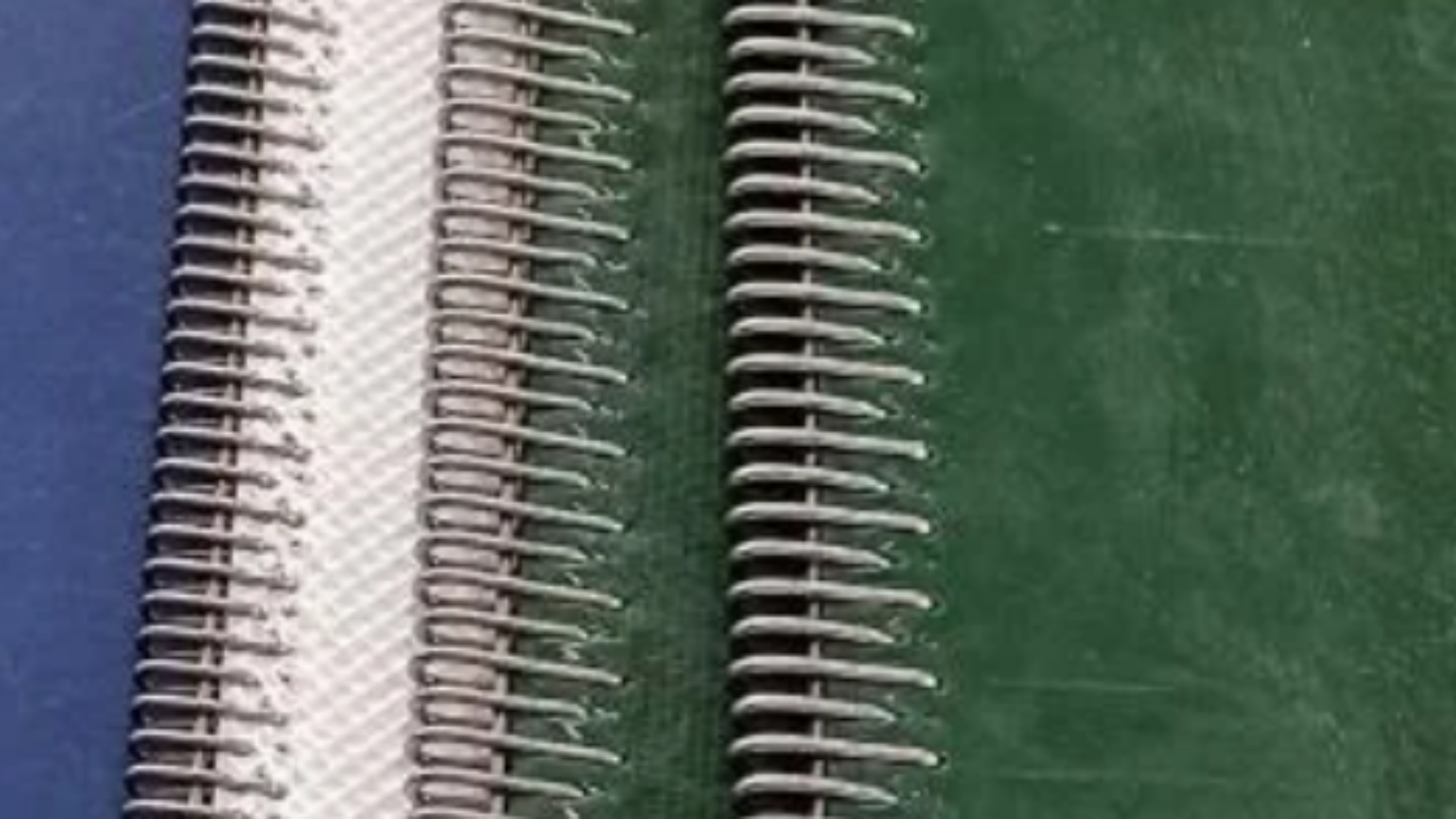
Low-profile mechanical joins prevent friction against rollers while preserving the integrity of lightweight synthetic belts. At Intake, we supply Carded Wire Belt Fasteners as part of our range of mechanical fastening solutions for lightweight and other conveyor applications.
Resisting Corrosion in Food and Chemical Processing
Sanitary environments demand strict compliance with hygiene protocols, exposing mechanical hardware to harsh washdown chemicals, high humidity, and acidic residue. Standard carbon steel splices degrade rapidly under such aggressive operating conditions.
Selecting corrosion-resistant alloys, such as 316L stainless steel, prevents rust contamination and premature joint degradation. Specialized materials preserve structural integrity during continuous sanitation cycles in food processing plants.
In addition to material selection, appropriate fastener design can help support cleaning and maintenance requirements in applications where hygiene is a key consideration. This combined approach—corrosion-resistant metallurgy paired with hygienic design—ensures splice longevity, supports regulatory compliance, and protects final product quality in sensitive production environments.
Streamlining Installation to Reduce Maintenance Downtime
Unexpected belt breaks stop production lines completely, costing facilities significant revenue every minute machinery sits idle. Having accessible, easy-to-install mechanical joining systems allows site technicians to make rapid repairs without requiring specialized outside contractors.
Partnering with a reliable belt fastener manufacturer gives maintenance teams access to dedicated installation machinery. Efficient hydraulic or manual lacing tools allow staff to secure strong belt joints directly on the factory floor within minutes.
Enhancing Joint Strength for Continuous Operations
Mechanical splices must withstand millions of bending cycles as belts travel around pulleys. Staggered staple or rivet placements minimize perforation lines across the belt fabric, preserving overall carcass strength and preventing premature tear-out.
Engineered joint geometry distributes load forces along multiple attachment points rather than concentrating stress along a single transverse line. This structural approach preserves joint integrity during prolonged continuous operations.
Advanced fastener designs further incorporate abrasion-resistant coatings and corrosion-proof materials to withstand harsh environmental conditions, such as moisture, dust, and temperature extremes commonly found in mining or aggregate processing plants. By combining optimal rivet spacing with robust material selection, these splices maintain consistent clamping force over extended service periods, reducing the frequency of re-tensioning and re-splicing. The result is a more reliable conveyor system that supports higher throughput with fewer unplanned stoppages, ultimately lowering total cost of ownership for plant operators.
Customizing Fasteners for Specialized Conveyor Belting
Unique industrial processes often require non-standard conveyor widths, specialized belt materials, or extreme thermal resistance. Mass-produced off-the-shelf joining hardware frequently falls short in these non-standard operational setups.
Customized OEM fastening systems adapt to non-standard belt geometries, providing consistent performance. At Intake, we provide customizable fastening solutions in different sizes, lengths, materials, and configurations to suit specific conveyor requirements.
Matching Fastener Profiles with Roller Diameters
Small pulley diameters require flexible fastener joints that bend smoothly without creating excessive stress points. Oversized fasteners on compact rollers cause hinge fatigue, noisy operation, and accelerated wear on both pulley surfaces and belting.
Selecting an appropriate low-profile fastening option can help the joint pass smoothly over conveyor rollers while maintaining a secure connection. Intake’s CR Series is one option within its range of industrial belt fasteners. Correctly sizing fastener hardware to pulley dimensions extends joint service life significantly.
Proper profile-to-diameter matching also reduces belt tension fluctuations and minimizes the risk of premature splice failure during high-speed operation. By maintaining consistent flexural behavior at each joint, the entire conveyor system runs quieter, experiences less unplanned downtime, and delivers more predictable maintenance intervals—a critical advantage in high-throughput industrial environments where every minute of production counts.
Conclusion
Selecting appropriate mechanical joining hardware protects conveyor infrastructure, reduces costly downtime, and optimizes material handling efficiency. Working alongside a dedicated belt fastener manufacturer provides facilities with access to precision engineering and specialized metallurgical solutions. As specialized industrial demands evolve, custom OEM fastening systems offer the adaptability necessary to maintain seamless production flows. At Intake, we remain committed to delivering customizable, high-durability mechanical splice solutions for diverse conveyor applications worldwide.