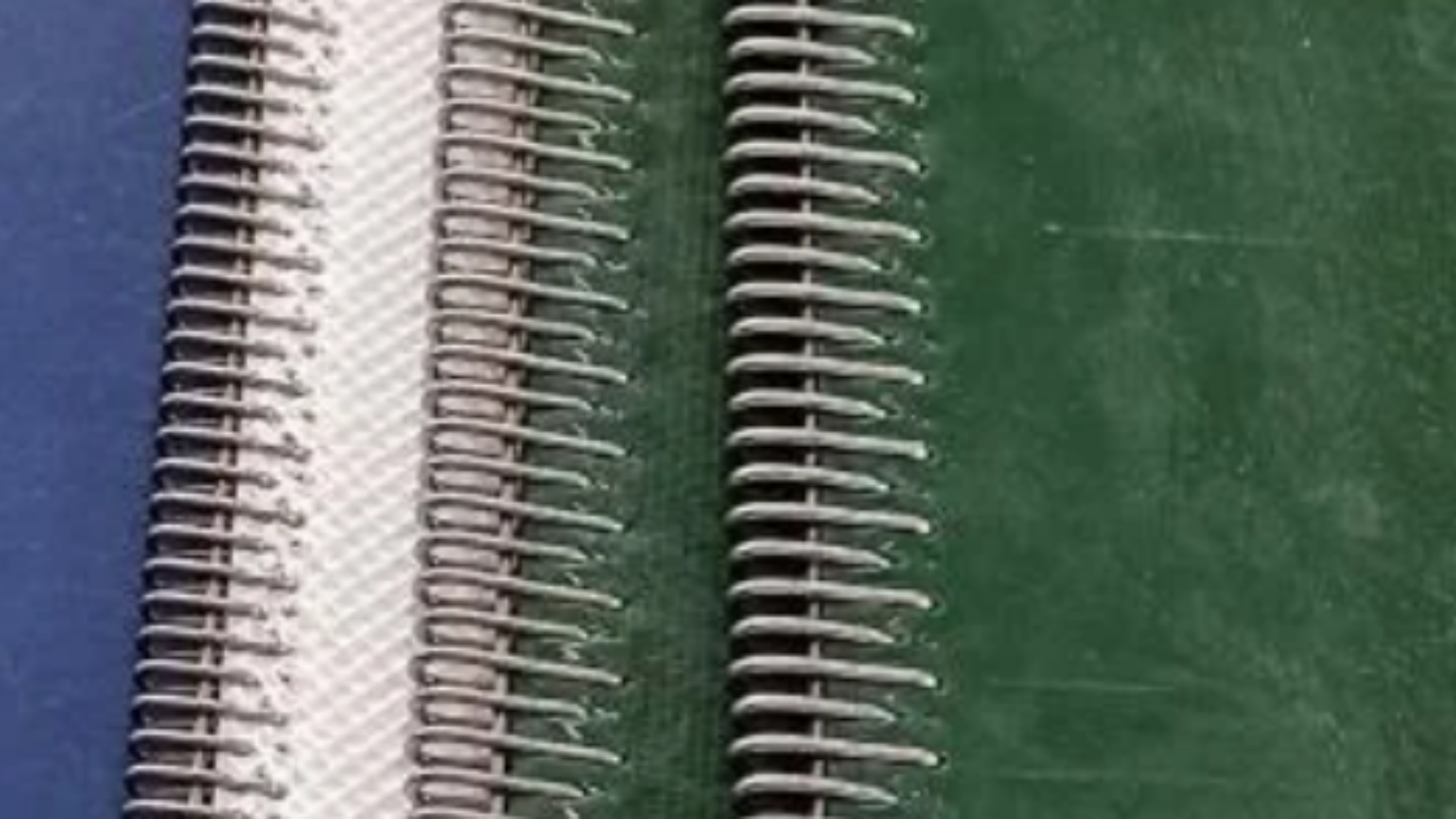
Mechanical belt joining offers distinct advantages during emergency operational stops in processing plants. Facility operators frequently source components from a reliable belt fastener manufacturer to maintain spare inventory ready for rapid deployment. When a conveyor belt is damaged, mechanical fastening can allow maintenance teams to make repairs with appropriate installation tools, helping restore material flow more promptly.
Vulcanization often requires extensive curing time and clean environmental conditions that are difficult to create on an active production line. In contrast, mechanical splicing provides an immediate physical link that tolerates residual dust or moisture.

Adaptability Across Diverse Belting Materials
Modern conveyor systems use belts with different materials and thicknesses. Selecting the appropriate mechanical fastening hardware helps maintenance teams match the joining method to specific belt requirements.
Collaboration among specialized industrial fastener manufacturers has yielded optimized tooth patterns and wire geometries tailored to different carcass constructions. These engineered shapes grip belt fibers firmly without severing internal load-bearing cords.
Simplifying Field Tooling and Equipment Requirements
Executing a vulcanized splice demands heavy heating presses, specialized power supplies, and chemical solvents that are cumbersome to transport into tight plant quarters. Mechanical systems streamline field intervention by using compact manual or hydraulic installation units.
At Intake, we supply the Carded Wire Belt Fastener alongside specialized installation machinery, allowing field technicians to complete uniform joints safely in cramped gallery spaces. Compact tools reduce logistics overhead during routine maintenance shifts.
Supporting Incremental Conveyor Belt Restretching
New conveyor belting undergoes initial mechanical stretch during its first few hundred hours under operational load. Cold vulcanized or hot welded joints must be completely cut away and recreated from scratch whenever the belt exceeds take-up adjustment limits.
Mechanical joining hardware can also simplify certain belt adjustment tasks during maintenance. When belt length needs to be corrected, technicians can make adjustments without relying on a full thermal splicing process, potentially reducing repair time and material waste. This approach reduces belt scrap and labor requirements.
Minimizing Downtime Expenses in High-Volume Facilities
Industrial distribution centers and mineral handling facilities measure operational interruptions in thousands of dollars per hour. Sourcing hardware from established industrial fastener manufacturers helps maintenance managers keep critical belt loops operational without waiting for third-party splicing crews.
Having standardized mechanical splice kits on site empowers local mechanical teams to perform immediate repairs. Prompt intervention prevents localized conveyor damage from spreading into major structural conveyor failures.
Accommodating Complex Environmental Conditions
Extreme cold, high humidity, and oily atmospheres severely compromise the chemical adhesion required for cold bonding compounds. Mechanical joining methods bypass chemical curing entirely, relying on mechanical compression to hold belt ends together.
For high-stress applications in damp or corrosive environments, we at Intake offer the Reinforced Wire Hook Belt Fastener, which utilizes corrosion-resistant alloys to retain joint strength without degradation over extended service cycles.
Enhancing Joint Inspection and Condition Monitoring
Visual monitoring of conveyor components is vital for preventing unscheduled line shutdowns. Mechanical splices provide visible indicators of wear, allowing inspection teams to identify loose hooks or pin deformation before total joint separation occurs.
Early detection enables planned component replacement during scheduled maintenance windows. Partnering with an experienced belt fastener manufacturer gives operations teams access to consistent pin and hook specifications that simplify routine visual audits.
Lowering Total Ownership Costs Across Conveyor Lifespans
While vulcanization creates a smooth surface, the initial labor costs and specialized contractor fees present significant financial demands. Mechanical fastening presents a practical alternative that reduces initial splice expenditure and ongoing repair overhead.
Versatile hardware solutions developed by industrial fastener manufacturers help plant managers control operational budgets while preserving necessary tensile strength across light and heavy-duty conveyor circuits.
Expanding Compatibility with Small Pulley Diameters
Compact conveyor systems used in automated sorting and packaging often utilize small drive pulleys. Heavy mechanical joins can cause hinge stiffness and roller wear if the splice cannot flex fluidly around tight radiuses.
Low-profile wire hook designs flex naturally along pulley contours, minimizing vibration and mechanical stress. At Intake, we offer low-profile mechanical belt fasteners designed to minimize interference with conveyor rollers, helping reduce noise and wear during operation.
This low-profile design can help reduce interference with conveyor rollers and minimize noise and wear during operation. By maintaining a smooth belt surface, mechanical fasteners can also support more consistent conveyor operation in applications where joint profile and belt movement are important.
Conclusion
Choosing the right mechanical belt joining methodology provides material handling facilities with flexibility, rapid repair capability, and reliable operation. Working with a dedicated belt fastener manufacturer offers access to precise hardware designs that match specific industrial requirements. As automated processing demands grow, mechanical splicing continues to serve as an indispensable strategy for maintaining continuous system productivity.