
Mining, quarrying, and bulk material handling operations rely on conveyor systems to move large amounts of materials efficiently. These environments often involve heavy loads, vibration, dust, and continuous operation, which can place pressure on conveyor belts and their connection points. Selecting suitable belt fastening solutions is an important part of conveyor maintenance planning.
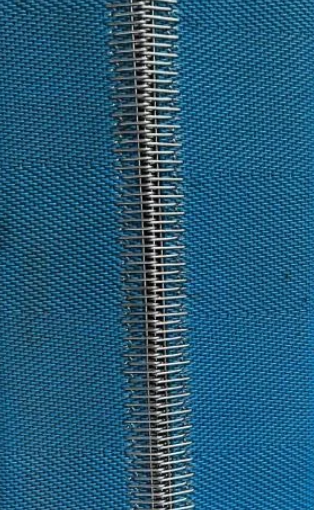
Conveyor belt fasteners are used to join belt sections during installation, repair, or replacement. The right fastening method depends on several factors, including belt thickness, belt material, operating conditions, and maintenance requirements. As a conveyor belt fastener manufacturer, we understand that industrial buyers need solutions that match their specific application environments rather than simple standard options.
Understanding Conveyor Belt Connection Requirements in Heavy Industries
Conveyor systems in mining and quarrying applications often transport materials such as minerals, rocks, and aggregates. During operation, belts may experience repeated tension, impact from materials, and exposure to outdoor conditions. These factors can influence the performance requirements of connection components.
Before selecting belt fasteners, buyers should evaluate the actual working environment. Belt thickness, conveyor speed, material load, and maintenance frequency can all affect the suitability of different fastening designs. The selection process should also consider how often the conveyor operates and whether maintenance teams need to perform frequent repairs in challenging conditions.
For example, a conveyor used in a quarry may need to consider exposure to dust and weather changes, while a mining conveyor may focus more on connection strength under heavy loads. Understanding these differences helps maintenance teams select more suitable fastening options. It also allows operators to plan maintenance activities according to real operating conditions and reduce unnecessary adjustments during equipment service.
Comparing Fastening Methods for Different Conveyor Applications
Different conveyor systems may require different connection methods. Mechanical fastening is often considered for repair situations where maintenance teams need practical installation and replacement processes.
When evaluating mechanical fasteners for conveyor belt applications, buyers should consider compatibility between the fastener and the belt structure. Factors such as belt material, operating tension, and installation requirements can influence connection performance.
Unlike some joining methods that require longer preparation procedures, mechanical fastening allows maintenance teams to install components directly at the repair location when the application is suitable. This makes it a practical option for industries where maintenance flexibility is important.
At Intake, we provide fastening solutions and application guidance for industrial partners. We help distributors and users understand product characteristics and select suitable options according to different conveyor requirements.
Material Selection and Manufacturing Quality Considerations
The material and manufacturing process of belt fasteners can influence their performance in industrial environments. Conveyor systems may operate under conditions involving moisture, dust, vibration, and repeated mechanical stress.
Buyers should consider material properties based on their working conditions. Different applications may require different levels of corrosion resistance, wear performance, and connection strength.
Manufacturing consistency is also important for long-term supply. Distributors and maintenance companies often need stable product specifications when supporting customers across different projects.
As a conveyor belt fastener manufacturer, we focus on production control, product consistency, and application requirements. Our approach is designed around helping industrial customers find fastening solutions that match practical operating conditions.
Factors Buyers Should Consider When Choosing a Supplier
For industrial buyers, supplier selection involves more than comparing product prices. Manufacturing capability, technical communication, customization support, and service response are also important factors.
Distributors often work with customers from different industries, so flexible cooperation can help them respond to various application requirements. Suppliers that provide clear product information and technical guidance can support better decision-making.
When working with suppliers of mechanical fasteners for conveyor belt, buyers should evaluate whether they understand different conveyor environments and can provide suitable recommendations based on actual usage conditions.
At Intake, we support business partners through product communication, application discussions, and customized solutions. Our goal is to help customers understand fastening requirements and develop suitable options for their markets.
Improving Conveyor Maintenance Through Suitable Fastener Selection
A suitable fastening system is only one part of effective conveyor maintenance. Proper installation, regular inspection, and correct product matching all influence the long-term operation of conveyor systems.
For mining, quarrying, and bulk material handling industries, selecting fasteners based on actual application needs can help maintenance teams create more practical repair plans. Buyers should consider the complete usage process instead of focusing only on initial purchasing costs.
Conclusion: Selecting the Right Fastening Solution for Industrial Applications
Conveyor belt fasteners play an important role in maintaining material transportation systems. For heavy-duty industries, suitable product selection requires attention to belt compatibility, operating conditions, installation requirements, and supplier capability.
As a conveyor belt fastener manufacturer, Intake continues to provide fastening solutions and technical support for industrial partners. Understanding product structure and application requirements is essential when choosing mechanical fasteners for conveyor belts systems, helping businesses make more suitable decisions for different maintenance scenarios.