Conveyor systems are widely used in mining, manufacturing, logistics, and material handling industries. During continuous operation, conveyor belts experience movement, tension, and mechanical stress. When belt joints require repair or replacement, selecting a suitable connection method can influence maintenance efficiency and equipment management.
Mechanical splicing is a commonly used method for joining conveyor belt ends through fastening components. Unlike methods that require longer preparation processes, mechanical splicing allows maintenance teams to complete belt connection work with practical installation procedures. Understanding the structure and function of conveyor belt lacing helps distributors and industrial users select suitable components for different applications.
Understanding the Structure of Conveyor Belt Lacing Wire
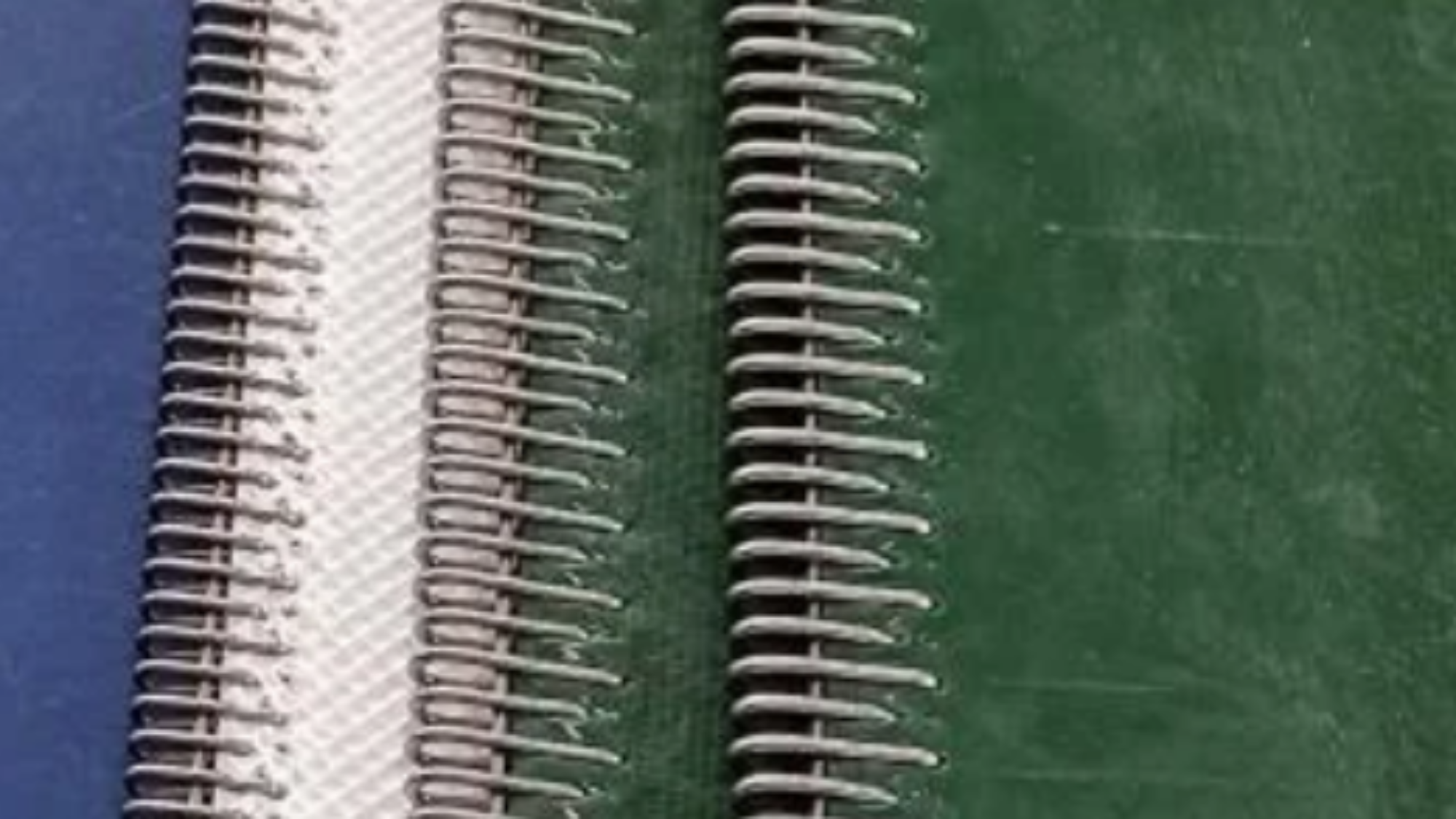
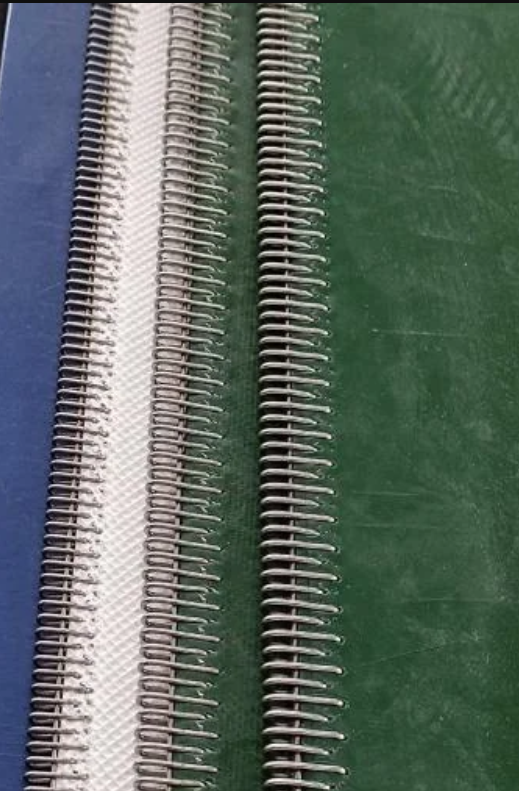
Conveyor belt lacing wire is an important part of mechanical splicing systems. It works together with hooks or fastening components to connect belt sections while allowing the belt to maintain flexibility during movement.
The design of lacing wire depends on several factors, including belt thickness, material type, operating environment, and load requirements. Different conveyor applications may require different fastening structures because working conditions can vary between industries.
For example, mining conveyors may focus more on connection strength under heavy loads, while manufacturing lines may place greater importance on maintenance convenience and stable operation. Proper component selection helps ensure that the fastening system matches the overall conveyor design.
How Material Selection Influences Belt Fastening Performance
Material selection plays an important role in mechanical splicing applications. Conveyor systems may operate in environments involving moisture, dust, vibration, or frequent cleaning. Therefore, buyers need to consider material characteristics based on actual working conditions.
Stainless steel carded hook solutions are often considered for applications that require corrosion resistance and stable mechanical properties. The carded structure helps organize fastening components during installation and provides practical handling advantages for industrial users.
However, material is only one part of the selection process. Buyers should also evaluate belt compatibility, installation requirements, and expected operating conditions before choosing fastening components.
At Intake, we focus on providing application information and fastening solutions for industrial partners. We help distributors and users understand how different components match specific conveyor maintenance requirements.
Choosing Suitable Fastening Components for Different Industries
Different industries may have different expectations for conveyor belt connection systems. Food processing applications may consider cleaning conditions and material compatibility, while bulk handling industries may focus more on mechanical stress and operating environments.
When selecting fastening components, users should review belt structure, connection methods, and maintenance frequency. A suitable fastening system should work together with the conveyor belt instead of being evaluated as an individual component.
A stainless steel carded hook can be suitable for industrial scenarios where material performance and organized installation are important considerations. The final choice depends on application requirements rather than a single standard.
Manufacturing Factors Behind Mechanical Splicing Components
The production process of belt fastening components involves forming accuracy, material control, and quality inspection. These factors influence whether the final components can match conveyor belt requirements during installation.
For industrial buyers, product consistency is an important consideration because distributors and maintenance companies often support different projects. Stable specifications and clear technical information can help reduce difficulties during product selection.
Intake provides belt fastening solutions and technical communication for B2B partners. Our focus is helping customers understand application requirements and evaluate suitable options according to their conveyor systems.
Supporting Better Purchasing Decisions for Distributors
For distributors, selecting belt fastening products requires attention to more than product appearance. Factors such as belt type, working conditions, installation methods, and customer application needs should all be considered.
Providing clear product information and application guidance can help distributors communicate solutions more effectively. Understanding the differences between fastening structures allows partners to recommend more suitable options for different industries.
At Intake, we work with industrial distributors and service partners by sharing product knowledge and application support. We focus on helping customers make practical decisions based on real conveyor requirements.
Improving Conveyor Maintenance Through Suitable Splicing Solutions
Conveyor maintenance depends on the cooperation of different components, including belts, fasteners, and connection systems. Selecting suitable components can help maintenance teams organize repair work and improve operational planning.
The use of conveyor belt lacing systems continues to support industries that rely on material transportation. From manufacturing lines to bulk handling facilities, proper belt connection methods remain an important part of conveyor management. Regular inspection and suitable component selection can also help users identify potential issues earlier and maintain more consistent conveyor performance during daily operations.
Conclusion: Selecting Suitable Components for Mechanical Splicing
Choosing suitable mechanical splicing components requires consideration of belt structure, material characteristics, operating environment, and maintenance requirements. A well-matched fastening system can support more efficient conveyor maintenance and reduce unnecessary adjustments.
By understanding the role of conveyor belt lacing and the application value of stainless steel carded hook, industrial users and distributors can make more informed decisions. Intake continues to provide practical fastening solutions and application support for partners with different conveyor requirements.