Industrial conveyor systems are widely used in mining, manufacturing, logistics, and material handling industries. During daily operation, conveyor belts may require installation, replacement, or repair due to continuous movement and mechanical stress. Selecting suitable maintenance equipment can influence repair efficiency, installation quality, and long-term belt management.
Different conveyor applications have different requirements. Belt thickness, belt material, operating conditions, and maintenance frequency all affect equipment selection. Understanding the function of different tools helps users choose suitable solutions instead of focusing only on product specifications. At Intake, we provide practical fastening solutions for distributors, maintenance companies, and industrial users based on different application needs.
Understanding Belt Connection Requirements Before Selecting Equipment
Before choosing conveyor maintenance equipment, users should first evaluate the working environment and belt structure. Different conveyor systems may use different belt materials and connection methods, which means the same tool may not be suitable for every application.
For example, heavy-duty conveyors used in mining may require equipment that can handle higher tension and frequent maintenance. In contrast, smaller industrial systems may focus more on installation flexibility and ease of operation.
A complete belt maintenance process involves more than a single machine. Operators need to consider fastening methods, installation procedures, and regular inspection requirements. Choosing equipment that matches the actual working environment can help improve maintenance planning.
How a Hydraulic Belt Fastener Machine Supports Belt Installation
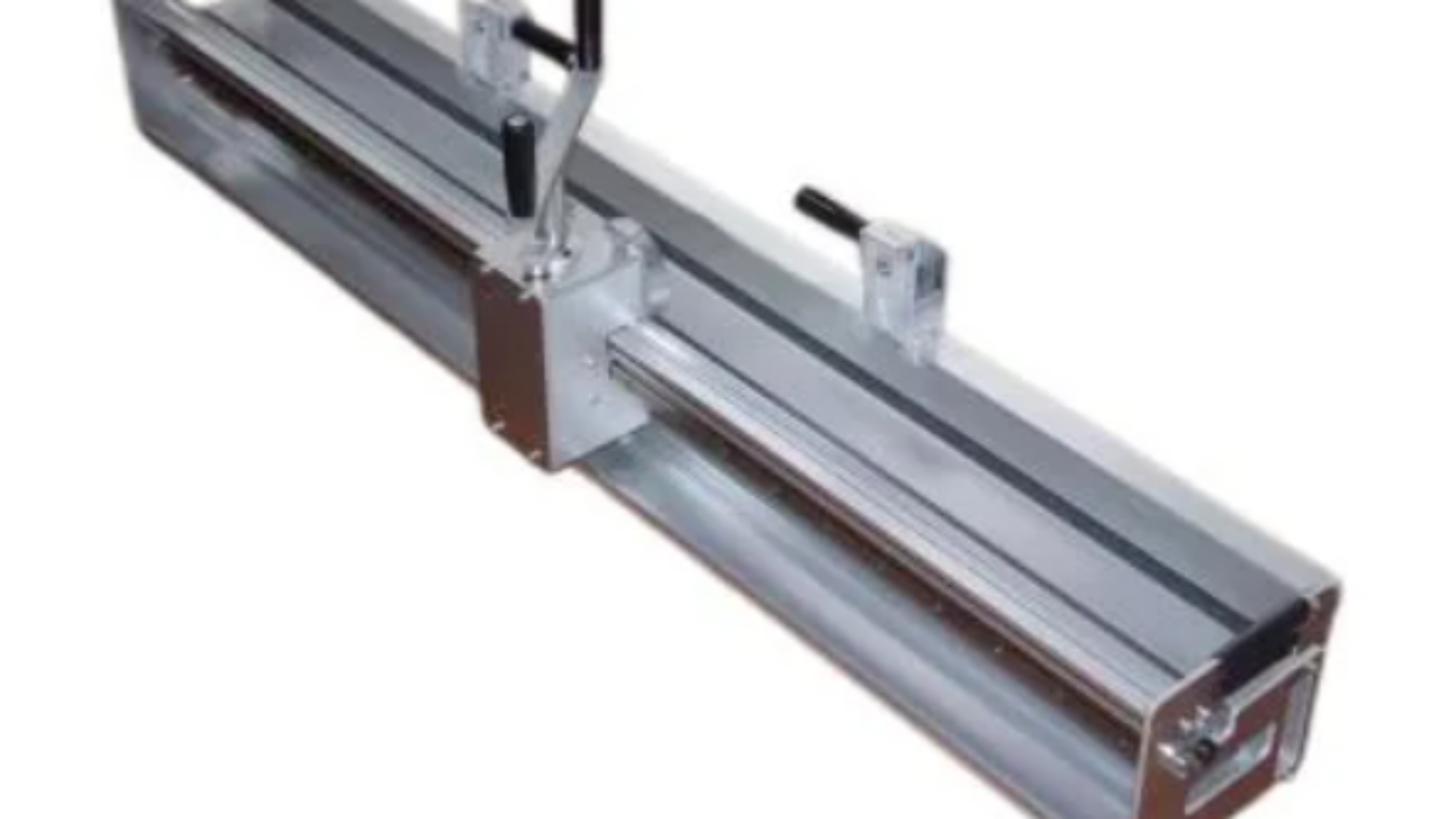
A hydraulic belt fastener machine uses hydraulic pressure to assist the fastening process. Compared with manual methods, hydraulic equipment can provide more controlled pressure during installation, helping operators complete fastening work with greater consistency.
This type of equipment is often used in industrial environments where conveyor belts require regular repair or replacement. When selecting a hydraulic system, buyers should consider factors such as belt specifications, fastener compatibility, operating frequency, and user experience.
At Intake, we focus on developing practical equipment solutions for industrial applications. We provide product information and application guidance to help partners understand how hydraulic fastening equipment fits different conveyor maintenance requirements.
Comparing Different Conveyor Maintenance Tools
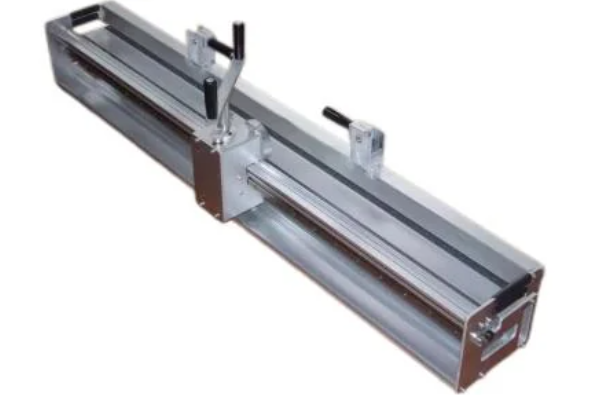
Conveyor maintenance involves different types of equipment depending on the repair situation. Conveyor belting tools may include fastening machines, lacing equipment, and related accessories used during belt joining and repair processes.
Different tools have different functions. Some equipment is designed for regular workshop operations, while others are used for field maintenance where flexibility is important. Buyers should compare tool structure, operation methods, and compatibility with existing conveyor systems.
For distributors and service companies, understanding these differences is important when recommending products to customers. The right combination of equipment can support more efficient maintenance workflows.
The Role of Manual Lacing Equipment in Belt Repair
Manual lacing equipment is commonly used for conveyor belt connection tasks where operators need direct control during installation. These tools are often considered for workshops, maintenance teams, and repair environments that require practical operation methods.
Compared with automated equipment, manual tools may provide flexibility for certain repair situations. However, users still need to select suitable tools based on belt type, fastening requirements, and working conditions.
At Intake, we support partners by providing product information and technical communication. Our goal is to help industrial customers understand how different fastening solutions can match their application requirements.
Factors Buyers Should Consider When Choosing Equipment
When purchasing conveyor maintenance equipment, industrial buyers usually evaluate several factors together. Product compatibility, manufacturing quality, operation convenience, and supplier support can all influence the final decision.
For distributors, customization ability and communication support may also be important because customers from different industries often have different requirements. A supplier that understands application differences can provide more suitable recommendations.
As a provider of industrial fastening solutions, Intake works with business partners to discuss product applications and equipment requirements. We focus on helping customers select solutions based on actual working conditions.
Improving Maintenance Efficiency Through Suitable Tool Selection
Effective conveyor maintenance depends on suitable equipment, correct installation methods, and proper operating procedures. Even high-quality tools need to match the belt system and working environment to achieve better results.
For industrial users, selecting suitable conveyor belting tools is part of improving maintenance organization. Clear product information and technical guidance can help operators better understand equipment functions and application methods.
At Intake, we continue to support distributors and maintenance partners through product development and technical communication. We help customers evaluate different fastening options according to their conveyor applications.
Conclusion: Selecting Practical Equipment for Conveyor Belt Applications
Choosing the right conveyor maintenance equipment requires attention to belt conditions, operating environments, and repair requirements. A suitable tool should support efficient installation while matching the needs of professional users.
A hydraulic belt fastener machine combined with suitable conveyor belting tools can help maintenance teams improve repair processes and manage different conveyor applications more effectively. At Intake, we continue to provide practical fastening solutions and application support for industrial partners seeking suitable conveyor maintenance equipment.