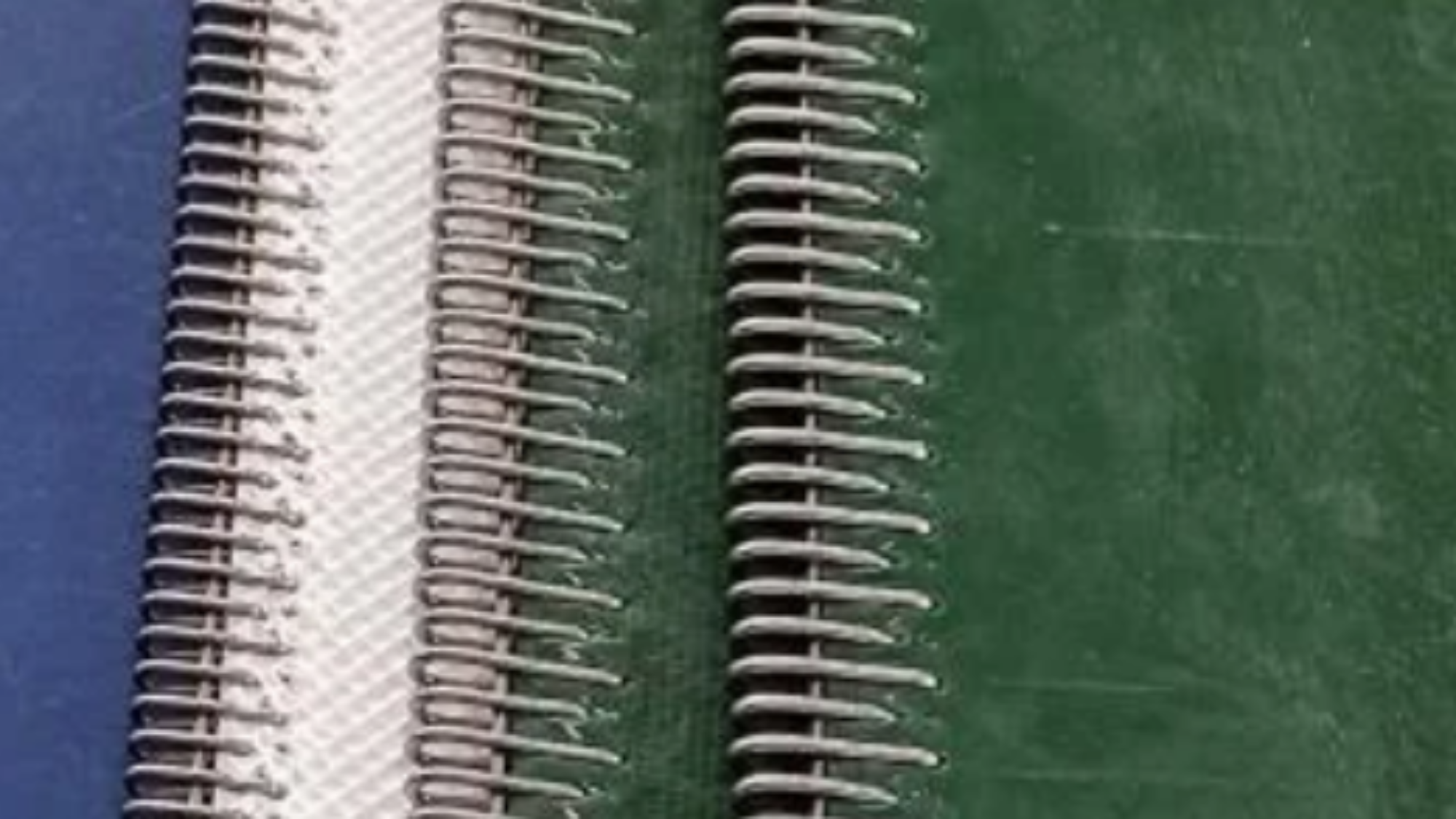
Mechanical joint reliability in continuous processing systems relies on the mechanical integrity of the central linking rod. Integrating a high-performance conveyor belt hinge pin within interlocked splice loops allows the belt to articulate around pulleys while maintaining steady tensile transfer across the joint.
Material selection directly determines how well the mechanical assembly withstands continuous shearing, bending, and abrasive forces. Evaluating physical properties helps maintenance teams prevent premature joint separation across industrial conveyor operations.
Mechanics of Pin Articulation in Mechanical Splices
Mechanical splices operate as continuous flexible hinges across the belt width. The central rod acts as the core shaft, absorbing dynamic tension while permitting smooth bending over drive rollers and snub pulleys.
Selecting an improper pin material causes binding or accelerated notch wear along the shaft. Smooth articulation minimizes drive motor resistance and prevents localized stress concentrations within the fastener loops.
Impact of Tensile Strain on Shaft Geometry
Continuous loading subjects mechanical joints to substantial shear forces at every interlocked loop interface. Inadequate material yield strength leads to permanent bending deformation or total shaft shearing under peak tension.
High-tensile pin materials preserve original linear geometry during heavy production cycles. Maintaining shaft straightness simplifies pin extraction during routine maintenance and prevents localized belt mistracking.
Corrosion Prevention in Moist and Washdown Zones
Industrial processing lines frequently expose mechanical splices to liquid cleaning agents, ambient moisture, and acidic chemical residue. Corroded linking rods develop rough surface textures that grind against fastener loops.
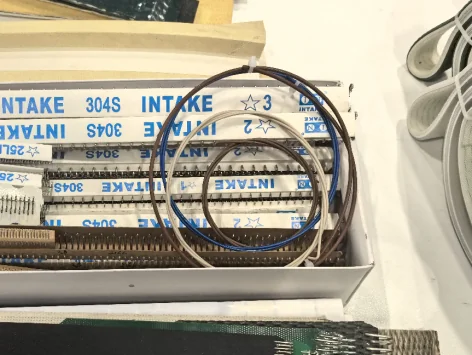
Utilizing stainless alloys prevents chemical degradation and rust buildup. At Intake, our Hinge Pin utilizes 304S material to preserve smooth shaft rotation and resist oxidation in wet operating conditions.
Abrasion Resistance Against Fine Airborne Dust
Fine particulates such as quartz sand, mineral dust, or coal fines enter the hinge gap during operation. These abrasive particles act as cutting agents between the metallic loops and the central shaft.
Hardened metallic alloys resist surface cutting far better than soft unreinforced materials. Selecting wear-resistant hinge pins preserves cross-sectional area, preventing unexpected joint breakage caused by abrasive thinning.
Flexible vs Rigid Shaft Dynamics
Navigating small pulley radiuses requires the central pin to flex slightly without suffering permanent fatigue fracture. Rigid shafts that cannot accommodate slight belt flexing induce severe stress on the fastener loops.
Balanced flexibility allows the splice to conform naturally to pulley contours. Proper flexibility reduces joint chatter, operational noise, and mechanical wear across return idlers.
Thermal Stability Across Extreme Temperature Ranges
Industrial ovens, freezing tunnels, and outdoor bulk handling subject conveyor components to broad temperature fluctuations. Thermal expansion or material softening can compromise joint security.
Polymers may soften at elevated temperatures, while metallic and polymeric materials can exhibit different mechanical responses to temperature changes. Material selection should therefore consider the operating temperature range and the properties of the selected pin material.
Standardized Weight and Packaging Specifications
Efficient plant operations require clear physical specifications for replacement inventory. Standardized weights and box quantities help technical crews plan spare parts storage and field transportation effectively.
Our Hinge Pin features a unit weight of 0.72KG and comes in 12 Pcs/Box packaging specifications. These exact metrics assist maintenance managers in organizing job kits for site technicians.
Mitigating Sacrificial Wear on Fastener Loops
Selecting a central pin involves balancing its surface hardness against that of the mechanical fastener loops. An excessively hard shaft can cut into softer loop wire over extended service intervals.
Engineered material pairing allows the linking rod to absorb normal wear, protecting the main splice components. Replacing worn hinge pins during scheduled stops extends the overall service life of the belt splice.
Preventing Spark Hazards in Volatile Atmospheres
Facilities handling grain dust, pulverized coal, or volatile organic chemicals must mitigate static spark risks. Friction between metallic components can present operational hazards if not properly managed.
Coated or specialized synthetic shafts eliminate metal-on-metal sparking risks in explosive environments. Matching pin material to environmental safety requirements protects facility infrastructure and personnel.
In addition to pin selection, proper grounding and static-dissipative belt constructions further reduce charge accumulation along the conveyor path. Regular inspection of splice condition and surface coatings ensures that any wear or exposure of conductive materials is promptly addressed, maintaining continuous spark protection throughout the system’s service life. This layered safety approach—combining material choice, grounding practices, and routine monitoring—provides plant operators with reliable defense against ignition sources in high-risk processing zones.
System Performance Optimization Through Pin Selection
Comprehensive evaluation of load capacity, operating chemical exposure, and pulley geometry guides proper material selection for belt splices. Implementing a suitable conveyor belt hinge pin protects belting assets and prevents unscheduled downtime.
Standardizing quality linking components across plant operations streamlines maintenance procedures. Through rigorous material selection, our team at Intake supports reliable material handling across diverse global industries.
Conclusion
Understanding how material traits influence mechanical joint durability allows maintenance managers to select appropriate splice components for specific operational conditions. Implementing well-engineered hinge pins prevents unexpected joint failure and preserves continuous throughput across material handling lines. Sourcing reliable components through Intake provides facilities with the material durability necessary to maintain stable, efficient conveyor operations.