

Mechanical joining methods play a crucial role in maintaining operational continuity across modern automated facilities. Selecting appropriate conveyor belt lacing involves analyzing carcass composition, working tension, and environmental factors to achieve a reliable splice.
Proper mechanical splice design minimizes belt cover wear while offering high holding force across diverse belting materials. Understanding these physical principles enables technical teams to optimize conveyor efficiency and extend belt service life.
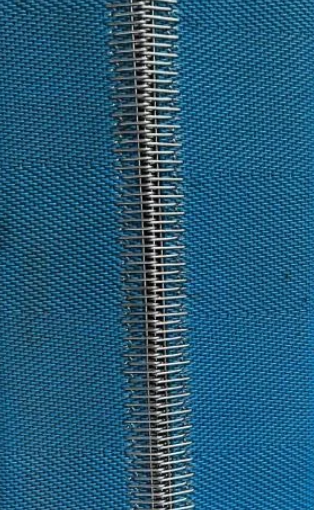
Structural Design of Wire Hook Splicing Architecture
Wire hook fastening systems rely on individual metallic loops arranged in continuous strips to hold belt ends together. The individual hooks are pressed into the belting material, embedding the point below the belt surface.
This recessed profile prevents joint interference with belt scrapers and pulley lagging. Uniform leg spacing distributes tensile strain evenly across the carcass fibers, preventing localized tearing under dynamic loads.
Load Distribution and Pitch Configurations in Mechanical Splicing
Pitch spacing dictates how closely adjacent wire hooks sit along the belt end. Fine pitch arrangements provide more attachment points per inch, which suits higher-tension conveyor circuits.
Wider pitch configurations offer flexibility on lighter belts navigating small pulley radiuses. Choosing the correct pitch prevents the splice from flexing excessively or causing hinge fatigue under continuous operation.
Metallurgical Selection for Corrosive Industrial Environments
Industrial washdown operations expose conveyor hardware to caustic cleaning agents, organic acids, and high humidity. Carbon steel fasteners degrade rapidly in these conditions, leading to joint weakening and premature failure.
Selecting stainless steel alloys resists oxidative degradation and chemical attack. For demanding environments, we offer the Reinforced Wire Hook Belt Fastener, crafted from 304S material to provide high chemical resistance during continuous service.
Integration of the Clipper Wire Hook System in Automated Facilities
High-speed logistics hubs and packaging facilities require low-profile joints that move quietly across return idlers. The clipper wire hook system provides a smooth transition that minimizes vibration and protects sensitive electronic sorting sensors.
Low-mass wire designs reduce kinetic impact as the splice travels around drive drums. Smooth articulation prevents joint chatter and reduces wear on drive motor bearings.
Mechanical Behavior Across Compact Pulley Diameters
Conveyors with small head or tail pulleys put severe bending stress on belt joints. Rigid or heavy mechanical fasteners resist bending, leading to joint stiffness, cover wear, and accelerated pin shear.
Flexible wire hook configurations can accommodate tighter pulley radiuses and support smoother splice articulation. Appropriate fastener and pin selection can help manage mechanical stress during repeated belt movement.
Preserving Belt Carcass Integrity During Hook Installation
Driving mechanical fasteners into belting requires precise force control to prevent severing longitudinal load-bearing cords. Damaged internal cords reduce the belt’s rated working tension and cause joint pull-out.
Staggered hook leg lengths offset the penetration points along the belt edge. This staggered pattern avoids creating a weak perforation line across the belt width, preserving original carcass strength.
Installation Efficiency and Maintenance Downtime Control
Field repairs require swift execution to minimize costly plant shutdowns. Implementing reliable conveyor belt lacing techniques allows internal maintenance crews to complete splices rapidly using compact manual or powered lacing tools.
Splicing directly on the conveyor framework bypasses lengthy vulcanization setup times. Accessible installation tools allow technicians to restore material flow promptly during emergency outages.
Technical Specifications and Field Inventory Logistics
Standardized packaging parameters assist technical crews in planning field repairs and managing spare parts inventory effectively. Defined weight ratings enable service personnel to transport replacement kits easily across large facility footprints.
Our Reinforced Wire Hook Belt Fastener features a weight specification of 0.55KG and is supplied in 12 Pcs/Box packaging. These precise parameters assist maintenance managers in stocking service vehicles and job site kits.
Operational Advantages of the Clipper Wire Hook System
High-volume package sorting operations can benefit from lightweight, low-profile mechanical splices that minimize interference with conveyed items. Utilizing a clipper wire hook system creates a flat, unobtrusive joint profile that prevents package snagging during rapid transfers.
Recessed wire legs prevent metal-on-metal friction against conveyor rollers, lowering operating noise levels. This smooth performance protects automated handling equipment and extends overall system reliability.
Strategic Maintenance Protocols for Mechanical Belt Joints
Visual inspection routines allow technicians to monitor hook wear, pin deformation, and belt edge condition before joint separation occurs. Identifying early wear patterns enables planned component replacement during scheduled downtime windows.
Standardizing splice hardware across facility lines simplifies maintenance protocols and inventory logistics. Partnering with Intake provides maintenance teams with reliable joining hardware engineered for specific operational demands.
Conclusion
Systematic evaluation of mechanical joint geometry, metallurgy, and installation methods supports reliable material handling across diverse industries. Implementing robust conveyor belt lacing protocols protects belt carcass integrity and minimizes costly maintenance delays. Integrating an engineered clipper wire hook system delivers the low-profile flexibility required for quiet, high-speed conveyor operation. Here at Intake, our team remains dedicated to supplying specialized joining solutions that enhance equipment durability and operational efficiency.