Conveyor belt systems are widely used in mining, manufacturing, logistics, and bulk material handling. During long-term operation, belt joints may require repair or replacement due to wear, tension changes, or regular maintenance needs. In these situations, suitable installation equipment can help maintenance teams complete fastening work more efficiently and maintain stable conveyor operation.
Hydraulic installation systems are designed to provide controlled pressure during belt joining processes. Compared with manual installation methods, hydraulic equipment can offer a more consistent operating process when working with suitable fasteners. Understanding how these systems work helps industrial users choose equipment based on belt conditions, maintenance requirements, and application environments.
Understanding the Working Principle of Hydraulic Belt Fastener Equipment
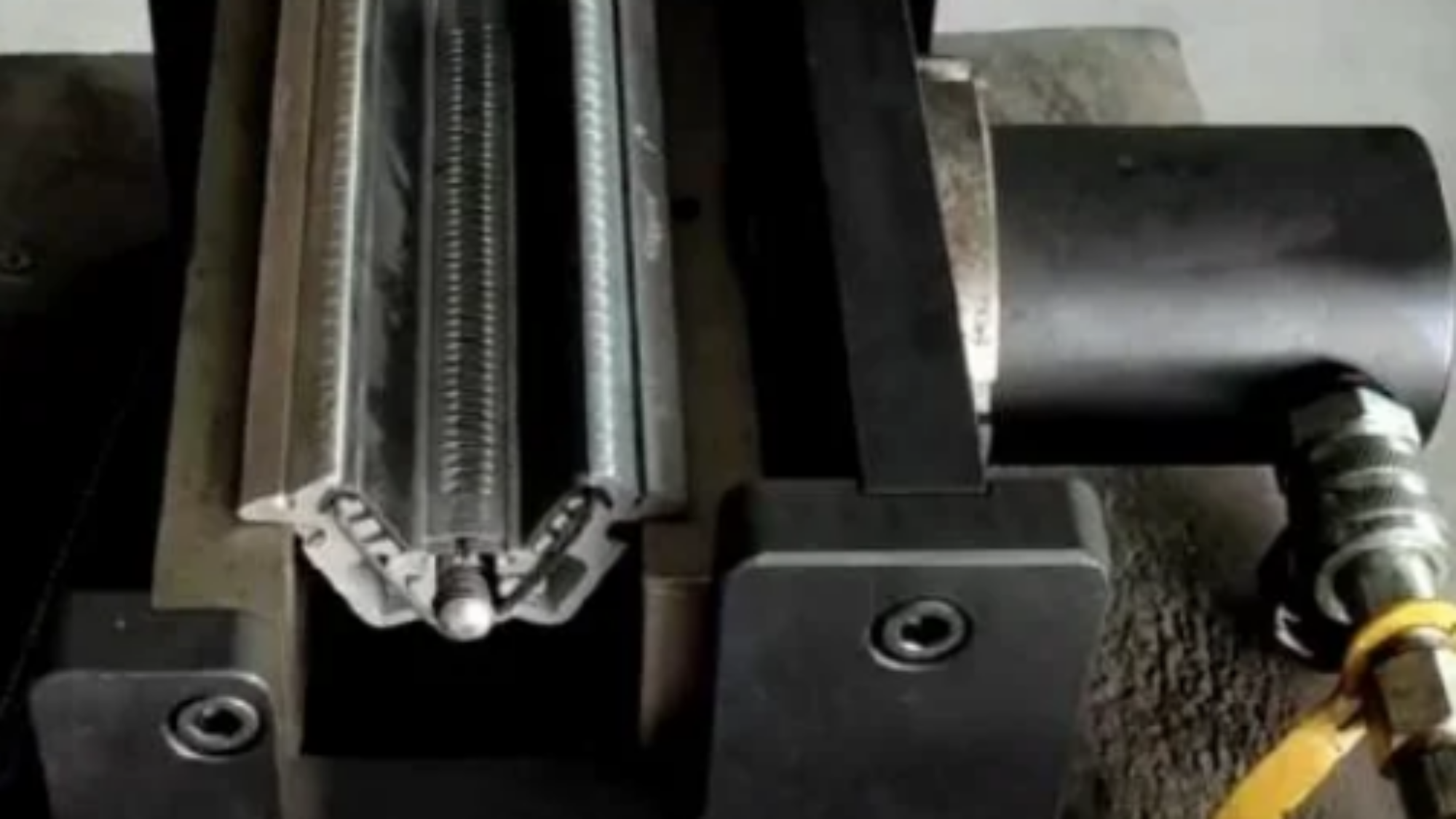
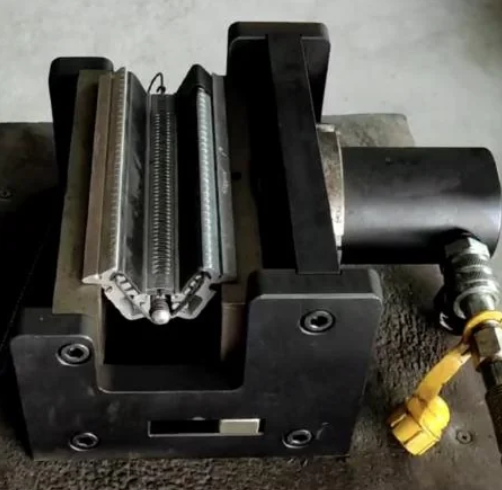
A hydraulic system uses pressure generated through hydraulic components to assist fastening operations. During conveyor belt repair, this controlled force helps operators install fasteners more evenly and complete connection work according to equipment requirements.
A hydraulic belt fastener machine is commonly used in industrial maintenance situations where conveyor belts require regular joining or repair. The equipment works together with suitable fastening components to connect belt ends and support maintenance processes.
Before selecting hydraulic installation equipment, users should consider several factors, including belt thickness, fastener type, working environment, and operating frequency. Different conveyor systems may have different requirements, so equipment selection should be based on actual application conditions.
At Intake, we focus on providing practical belt joining solutions for industrial partners. We support customers by sharing product information and application guidance to help them better understand equipment selection.
The Role of Belt Lacing Machines in Conveyor Maintenance
A belt lacing machine is an important tool used in conveyor belt connection work. It helps install fastening components onto belt ends and supports maintenance teams during repair operations.
In industries such as mining, agriculture, logistics, and manufacturing, conveyor belts often operate under continuous working conditions. When belt joints require attention, maintenance teams need equipment that matches their workflow and repair requirements.
When choosing a belt lacing machine, buyers should evaluate factors such as equipment compatibility, operation method, and maintenance convenience. A suitable machine should work effectively with the selected fasteners and match the specific belt structure.
Different applications may require different fastening methods. Heavy-duty conveyor systems may focus more on connection strength, while other applications may place more importance on installation flexibility and maintenance efficiency.
Key Factors When Selecting Conveyor Belt Installation Equipment
Choosing suitable belt installation equipment requires more consideration than machine specifications alone. Buyers should evaluate hydraulic performance, fastener compatibility, operation process, and long-term usability.
The working environment is also an important factor. Conveyor systems used in industrial facilities may face dust, vibration, moisture, and repeated mechanical stress. Equipment designed for these conditions can better match practical maintenance needs.
As an industrial solution provider, Intake works with distributors and maintenance partners to understand different application requirements. Our focus is on helping customers evaluate suitable equipment options according to their conveyor systems.
Configuration and Application Considerations for Different Belt Requirements
Different conveyor belts may require different fastening configurations. Factors such as belt structure, fastener size, and installation conditions can influence equipment selection.
The hydraulic belt fastener machine supplied by Intake supports different fastening applications, including wire buckle installation requirements. The equipment is designed around practical operation needs and helps users understand the relationship between machine functions and belt maintenance processes.
For industrial distributors, understanding application differences is important when developing product solutions for customers. Equipment selection should consider not only the machine itself but also how it fits into daily maintenance procedures.
Providing technical information and application guidance can help partners communicate product functions more clearly and support better purchasing decisions.
Supporting Industrial Users with Practical Maintenance Solutions
For B2B customers, equipment selection is often connected with long-term maintenance planning. A suitable supplier should provide clear communication, technical support, and solutions based on different application scenarios.
Maintenance teams usually need equipment that is easy to understand and suitable for their working environment. Clear operating methods and practical guidance can help users improve installation procedures and reduce unnecessary difficulties during repair work.
At Intake, we continue to support industrial partners through product development, application communication, and customized solutions. We focus on helping distributors and professional users understand equipment characteristics and select suitable options.
Conclusion: Choosing Suitable Hydraulic Installation Solutions
Selecting conveyor belt installation equipment requires attention to belt conditions, fastening requirements, working environments, and maintenance processes. Hydraulic systems and related tools can provide practical support when they match specific application needs. These factors help users evaluate whether equipment can fit their daily repair procedures and long-term maintenance plans.
A suitable hydraulic belt fastener machine combined with the right belt lacing machine can help maintenance teams organize repair work more effectively. At Intake, we continue to provide practical fastening solutions and technical support for industrial partners seeking suitable conveyor belt maintenance equipment. By understanding different application scenarios, we help customers make more informed choices for their conveyor maintenance requirements.