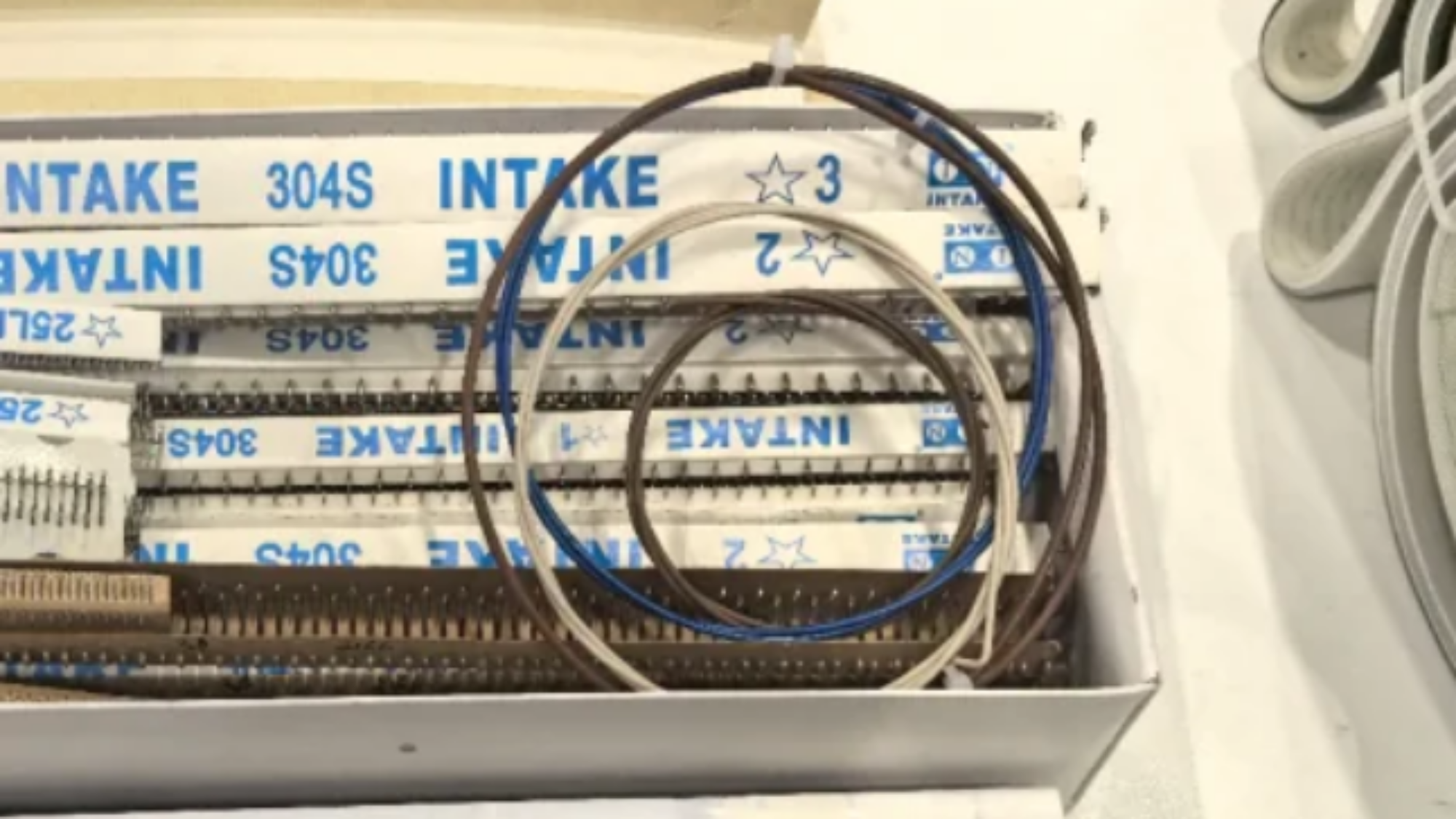
Conveyor belt lacing systems rely on multiple components working together to maintain stable belt connections. Among these components, hinge pins play an important role because they connect laced belt ends and allow the belt joint to move during operation.
In industries such as mining, manufacturing, logistics, and bulk material handling, conveyor systems often operate under continuous loads and demanding conditions. Choosing suitable connection components requires attention to belt structure, working environment, and maintenance requirements. Understanding the function of a conveyor belt hinge pin helps buyers evaluate suitable connection solutions before making purchasing decisions.
Understanding the Role of Hinge Pins in Conveyor Belt Connections
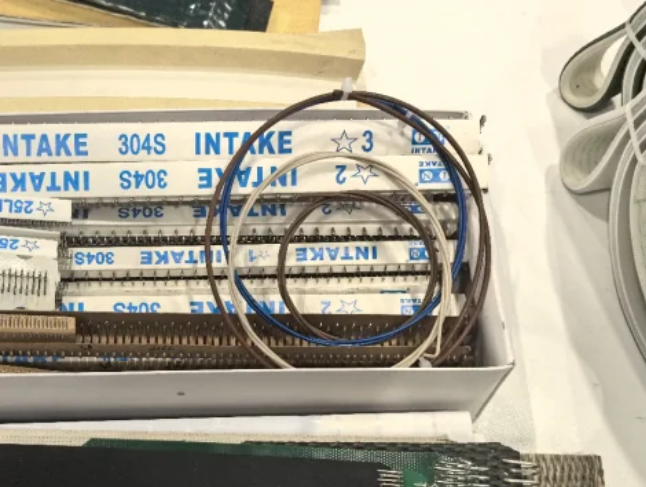
A hinge pin connects the two sides of a laced conveyor belt joint and supports the connection during belt movement. It works together with the lacing system to maintain joint flexibility while allowing easier installation and maintenance.
When selecting a conveyor belt hinge pin, buyers should consider compatibility with the existing lacing system. Factors such as pin size, belt thickness, connection design, and operating conditions can influence whether the component is suitable for a specific conveyor application.
A suitable hinge pin should match the overall belt system rather than being selected only according to appearance or price. Proper matching can help maintenance teams reduce installation difficulties and improve repair planning.
Key Factors for Selecting the Right Hinge Pin
Material selection is an important consideration when purchasing conveyor connection components. Conveyor systems may operate in environments involving moisture, dust, vibration, and repeated mechanical stress. The selected material should match the actual conditions where the equipment is used.
Stainless steel options are commonly considered for applications that require corrosion resistance and stable mechanical performance. However, material is only one part of the selection process. Buyers should also review dimensions, connection requirements, and expected operating conditions.
At Intake, we provide hinge pin solutions based on different industrial requirements. We communicate with distributors and maintenance partners to understand application conditions and provide suitable product information.
Choosing Hinge Pins for Heavy-Duty Conveyor Applications
Heavy industrial environments such as mining and quarrying often place higher demands on conveyor connection components. These systems may transport heavy materials while operating for long periods under vibration, impact, and repeated loading.
A heavy duty hinge pin should be selected according to belt structure, lacing design, and operating requirements. Buyers should review whether the pin matches the connection system and supports the intended working environment.
For industries with continuous operation requirements, choosing a heavy duty hinge pin that matches the belt lacing system can support more stable maintenance planning. Regular inspection of connection components is also important because it helps users identify wear conditions and arrange maintenance work in advance.
Different industries may have different expectations. A conveyor used for bulk material handling may require different considerations compared with a system used in light manufacturing environments.
How Supplier Support Influences Purchasing Decisions
For industrial buyers, selecting a supplier involves more than checking individual product specifications. Manufacturing capability, technical communication, customization support, and product knowledge can all influence long-term cooperation.
Distributors often need to support customers with different conveyor systems. A supplier that understands application differences can provide more practical recommendations and help partners respond to various market requirements.
At Intake, we support business partners through product communication, application guidance, and customized options. Our focus is helping customers understand how connection components fit into complete conveyor belt systems.
Improving Maintenance Efficiency Through Suitable Component Selection
Conveyor maintenance depends on the cooperation between different components, including belts, lacing systems, and connection parts. Choosing suitable components can help maintenance teams organize repair work more effectively.
A properly selected conveyor belt hinge pin should match the belt connection design and operating environment. Buyers should review product compatibility, material requirements, and maintenance expectations before making purchasing decisions.
For distributors and industrial users, understanding component functions can improve product selection and reduce unnecessary adjustments during installation.
Supporting Industrial Applications with Practical Solutions
Industrial projects often involve different equipment conditions and application requirements. Standard products may meet common needs, while some projects may require customized support based on specific conveyor designs.
At Intake, we continue to provide hinge pin solutions and technical communication for industrial partners. We help distributors and maintenance companies evaluate suitable options according to belt systems, working environments, and project requirements.
Conclusion: Selecting Suitable Hinge Pins for Conveyor Systems
Choosing the right hinge pin requires consideration of belt compatibility, material performance, operating conditions, and supplier support. For demanding conveyor applications, the correct component selection can support more efficient maintenance planning and help reduce unnecessary adjustments during future repair work.
A suitable heavy duty hinge pin solution should match the conveyor system design and actual working environment. Through practical product support and application-focused communication, we help industrial partners select suitable conveyor connection components for different maintenance needs while improving their understanding of product selection and system requirements.