When choosing conveyor maintenance solutions, buyers often focus on price, availability, and product specifications. However, selecting suitable belt fasteners requires a deeper understanding of conveyor structure, operating environment, and long-term maintenance needs. Different industries use conveyor systems under different conditions, which means fastening solutions should be evaluated according to actual application requirements rather than short-term purchasing costs.
At Intake, we believe that a suitable fastening solution starts with understanding the application. As a belt fastener manufacturer, we work with distributors, maintenance companies, and industrial users to evaluate different conveyor requirements. Our focus is not only providing components but also helping partners understand product characteristics, usage conditions, and selection factors before making decisions.
Understanding Application Requirements Before Choosing Belt Fasteners
Conveyor belts are widely used in industries such as mining, manufacturing, logistics, recycling, and bulk material handling. Although these systems share similar transportation functions, their working conditions can be very different. Factors such as belt thickness, belt material, transported materials, operating speed, and working frequency can influence the selection of suitable fastening components.
For example, conveyor systems in mining environments may experience heavy loads, impact, and continuous operation. In these situations, buyers usually pay more attention to connection strength and durability. In manufacturing or packaging applications, maintenance convenience and installation efficiency may become more important considerations.
When we communicate with industrial partners, we first consider how the conveyor system operates in practice. Understanding the working environment helps us provide more suitable suggestions instead of simply recommending standard products. This approach allows distributors to better match fastening solutions with the needs of different customers.
The role of a professional supplier is not only to provide products but also to support technical understanding. Working with experienced mechanical fasteners manufacturers can help buyers evaluate product compatibility, installation requirements, and application details before purchase.
Comparing Material Performance and Structural Design
Material selection is one of the key factors when evaluating belt fasteners. Conveyor systems often operate in environments involving dust, moisture, vibration, and repeated mechanical stress. Different materials may provide different characteristics depending on the application.
For example, some working environments require stronger corrosion resistance, while others may focus more on mechanical performance and wear resistance. Buyers should consider how material properties match their specific operating conditions rather than selecting based only on appearance or initial cost.
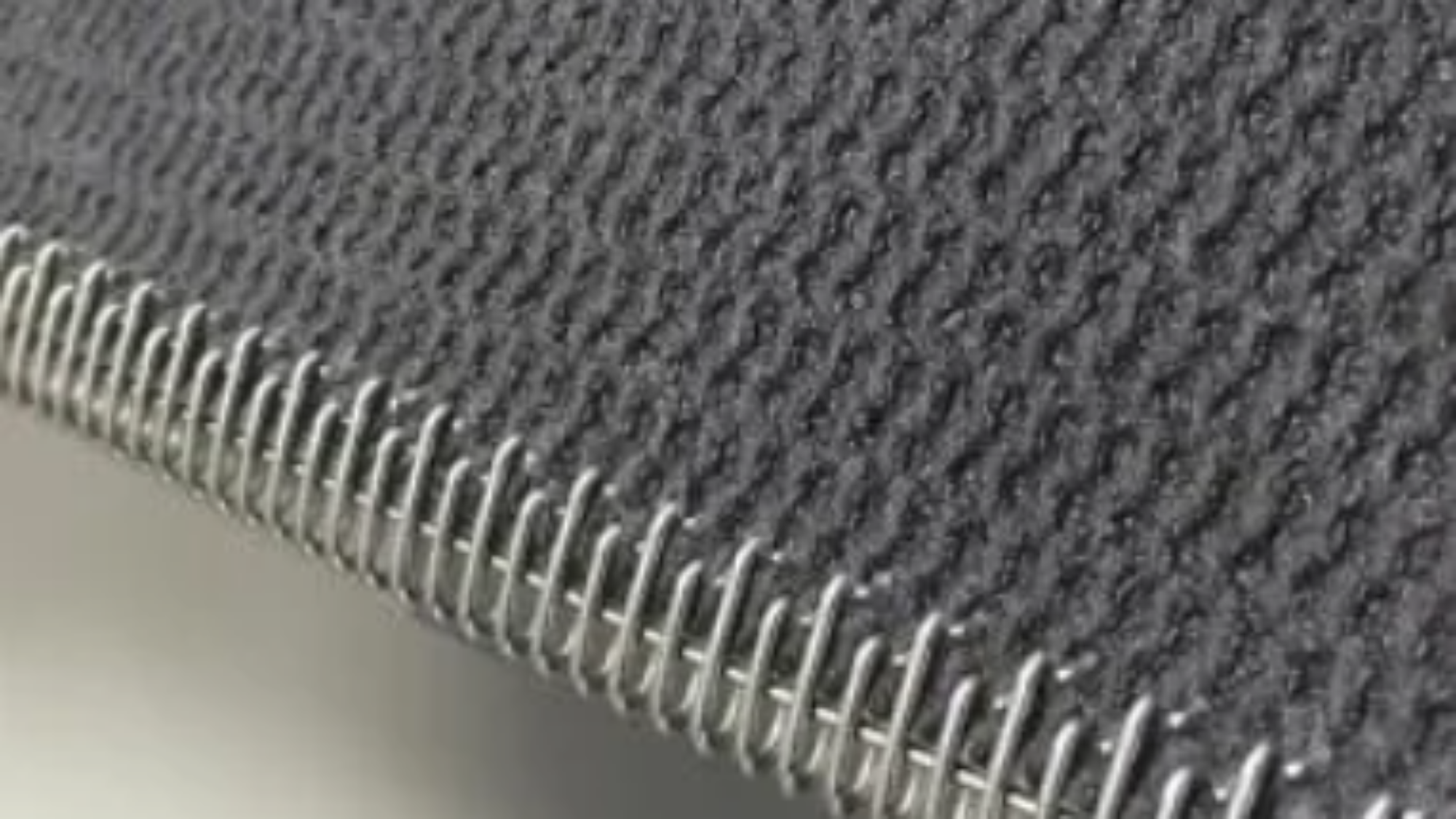
Structural design is another important factor. The fastening method needs to match the conveyor belt structure, including belt thickness, connection method, and installation requirements. A suitable design can help maintenance teams complete repair work more efficiently and reduce unnecessary adjustments during installation.
At Intake, we focus on understanding these application differences before supporting our partners. As a belt fastener manufacturer, we consider material selection, structural design, and practical usage conditions when discussing solutions with distributors and industrial users. This helps us provide information that is closer to real project requirements.
Considering Installation Efficiency and Maintenance Requirements
Maintenance efficiency is an important consideration for industries that depend on continuous conveyor operation. When equipment operates for long periods, unexpected belt problems may affect production planning. Therefore, buyers often consider whether fastening solutions can support convenient installation and regular maintenance.
The installation process depends on multiple factors, including belt condition, available tools, operator experience, and fastening system design. A suitable solution should not only connect belt sections but also fit the maintenance workflow of the user.
Before purchasing, buyers can evaluate whether suppliers provide clear technical information, installation guidance, and application support. These resources help distributors communicate product functions more effectively and allow end users to better understand proper usage methods.
When we support customers, we focus on practical communication throughout the cooperation process. We provide application information and discuss different requirements with partners so they can better understand how fastening solutions fit their target markets.
Evaluating Supplier Capability and Cooperation Value
For industrial buyers, supplier evaluation involves more than comparing product prices. Manufacturing capability, production consistency, technical communication, and service support all influence long-term cooperation.
A supplier with stable manufacturing processes can help distributors maintain consistent product supply for different projects. At the same time, suppliers that understand industrial applications can provide more useful recommendations when customers have specific requirements.
Many businesses compare different mechanical fasteners manufacturers based on their ability to provide suitable solutions, respond to technical questions, and support different application scenarios. These factors can influence whether a supplier becomes a long-term partner.
At Intake, we work with distributors and industrial customers by providing product information, application guidance, and communication support. Our goal is to help partners understand fastening requirements and make practical decisions according to their market needs.
The Importance of Customization in Industrial Applications
Different conveyor systems may require different fastening solutions. While standard products can meet many common applications, some projects may need adjustments based on belt structure, operating conditions, or customer requirements.
Customization capability can be valuable for distributors because they often serve customers from different industries. Flexible support allows them to respond to various application situations and provide more suitable options.
At Intake, we discuss application details with partners to understand their requirements before recommending solutions. Our experience as a belt fastener manufacturer helps us consider product consistency, application suitability, and customer expectations together.
This approach allows cooperation to focus on practical industrial needs rather than only product transactions. By understanding the complete application environment, buyers can make more informed choices and reduce unnecessary replacement issues.
Conclusion: Making a Practical Purchasing Decision
Selecting suitable belt fasteners requires a comprehensive evaluation of compatibility, material performance, structural design, installation requirements, and supplier capability. Price is an important factor, but it should be considered together with product suitability and long-term cooperation value.
For distributors and industrial users, choosing reliable mechanical fasteners manufacturers means working with suppliers that understand application requirements and provide effective communication throughout cooperation. At Intake, we continue to support partners through manufacturing experience, technical guidance, and practical fastening solutions designed for different conveyor maintenance needs.