Conveyor belts play an important role in industries such as mining, logistics, recycling, agriculture, and manufacturing. During continuous operation, belts may experience wear, tearing, or joint damage due to heavy loads and repeated movement. When repair is needed, choosing a suitable connection method can influence maintenance efficiency and future operation stability.
A mechanical belt splice is a method used to connect two conveyor belt ends through mechanical components rather than traditional bonding processes. This repair approach allows maintenance teams to create a physical connection between belt sections and is often considered for applications where installation flexibility and repair efficiency are important.
How Does a Mechanical Belt Splice Work?
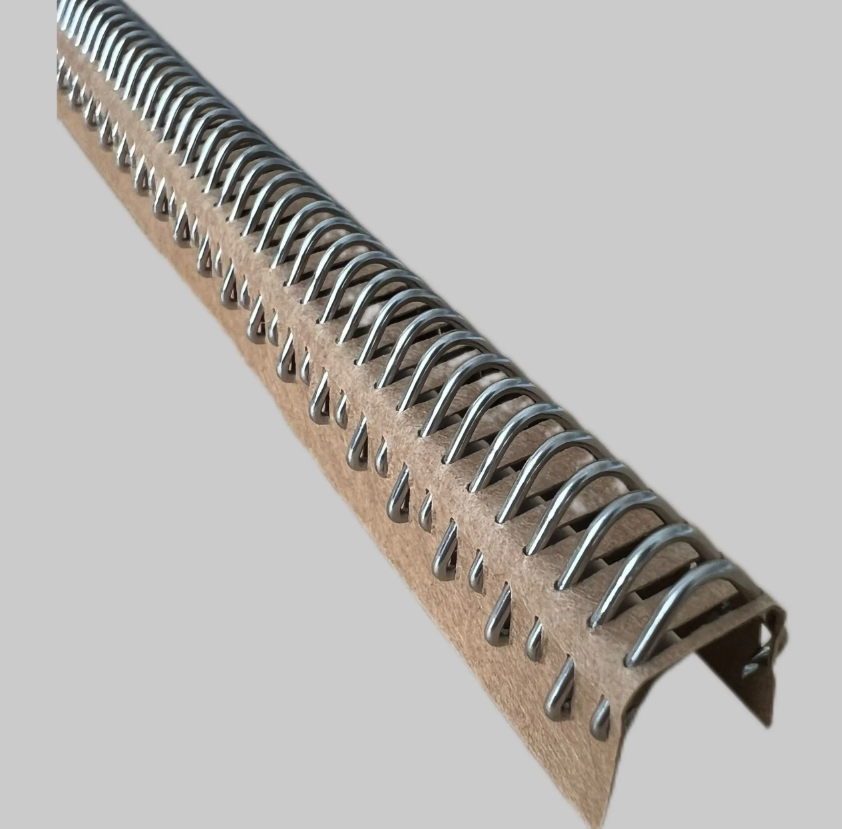
A mechanical splice uses fastening components installed across the belt joint area to hold two belt ends together. During installation, the fasteners are attached to both sides of the belt, creating a connection that allows the conveyor system to continue operating.
The working principle is based on mechanical holding force rather than chemical bonding. Because of this structure, maintenance teams can inspect, remove, or replace fastening components when necessary. This makes mechanical splicing a practical option for many industrial repair situations.
However, selecting a suitable splice requires consideration of the conveyor system itself. Factors such as belt thickness, belt material, operating tension, and environmental conditions can influence the choice of fastening method.
Different applications may require different connection designs. For example, mining conveyors often face heavy loads and abrasive materials, while logistics systems may focus more on maintenance convenience and operational flexibility.
Mechanical Splice Compared with Other Belt Joining Methods
Conveyor belts can be connected through different methods, including mechanical splicing and vulcanized splicing. Each method has different application characteristics.
Vulcanized splicing uses heat, pressure, and bonding materials to create a continuous belt connection. This method can be suitable for certain long-term applications but usually requires specialized equipment and longer preparation time.
Mechanical splicing uses fastening components to connect belt ends directly. In situations where repair speed, easier inspection, or field maintenance is important, this method can provide a practical alternative.
When evaluating mechanical belt fasteners, buyers should consider whether the product matches their belt structure and operating environment. The correct choice depends on actual application requirements rather than one single standard.
Key Factors When Selecting Mechanical Belt Fasteners
Material selection is one important factor affecting fastening performance. Conveyor systems may operate in environments with moisture, dust, vibration, and continuous mechanical stress. Buyers should compare material characteristics according to their working conditions.
The structure of the fastener is also important. Different belt thicknesses and application requirements may need different fastening designs. A suitable connection system should provide proper compatibility while supporting efficient installation and maintenance.
For industrial buyers, supplier capability is another factor worth considering. A professional conveyor belt fastener manufacturer should understand different conveyor applications and provide product information that helps customers make suitable decisions.
At Intake, we support distributors and industrial partners by providing fastening solutions, application guidance, and technical communication based on different belt connection requirements.
Supporting Industrial Maintenance Through Suitable Solutions
For distributors and maintenance companies, selecting a fastening supplier involves more than reviewing product specifications. Production capability, customization options, communication efficiency, and technical support can influence long-term cooperation.
Different markets may have different expectations for conveyor repair products. Some customers may need standard fastening solutions, while others may require adjustments according to specific equipment conditions.
As a conveyor belt fastener manufacturer, we work with partners to understand application requirements and provide suitable options for different industrial scenarios. Our focus is helping customers evaluate fastening solutions based on practical maintenance needs.
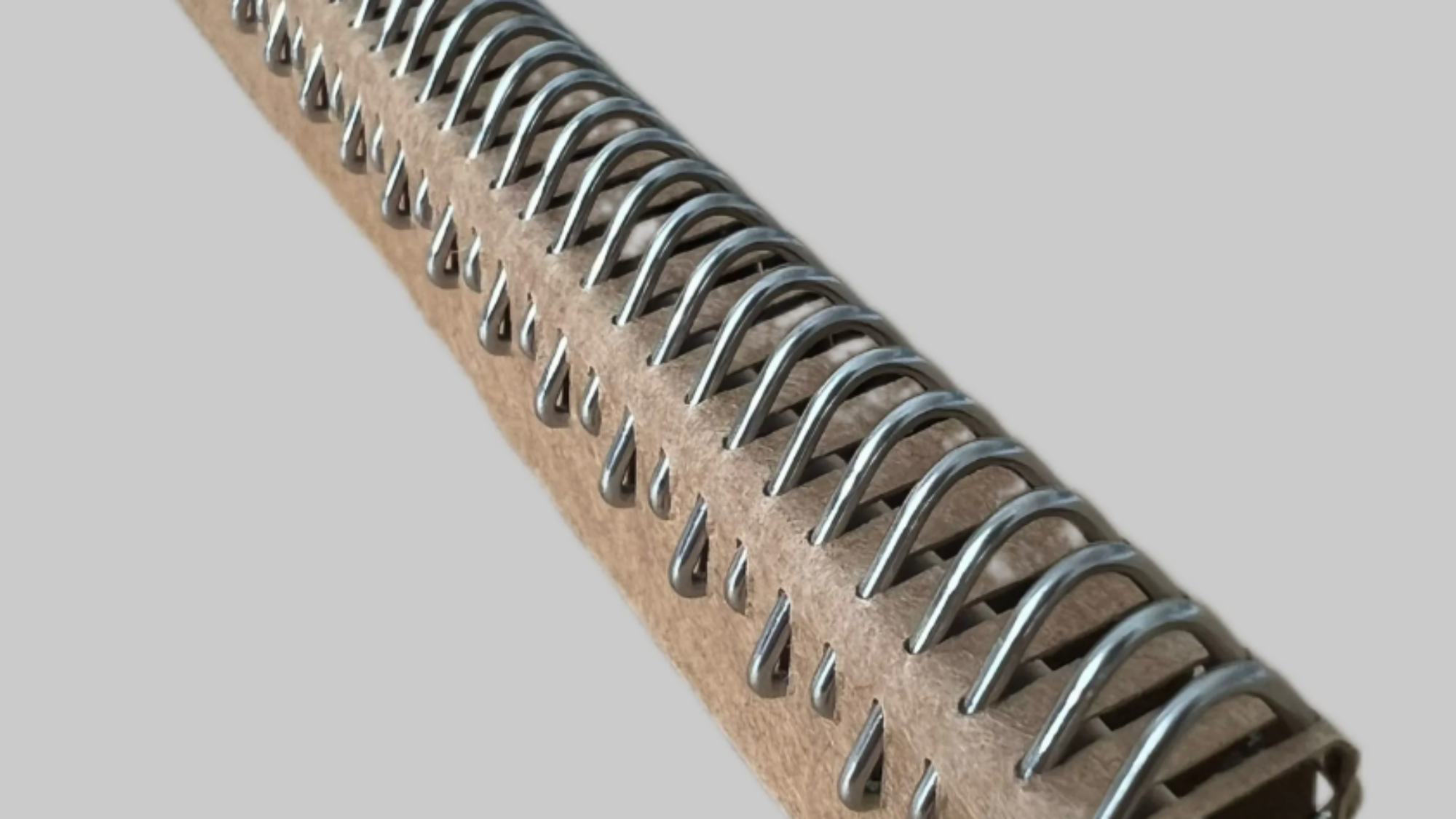
Products such as Carded Wire Belt fasteners are developed for specific belt connection applications. Instead of focusing only on product features, we pay attention to how fastening solutions fit into real maintenance processes.
Improving Conveyor Belt Repair Efficiency with Better Selection
A mechanical belt splice is not only a connection component but also part of a complete maintenance strategy. Correct product selection, proper installation, and regular inspection all contribute to better conveyor management.
For industries that depend on continuous material transportation, reducing unnecessary maintenance difficulties is an important consideration. Clear technical information and suitable fastening systems can help maintenance teams complete repair work more effectively.
Working with experienced suppliers of mechanical belt fasteners can help businesses understand product differences and select suitable options for their applications. Through product development and technical support, we continue to provide solutions for industrial partners.
Conclusion: Choosing the Right Mechanical Splice Solution
Selecting a suitable mechanical belt splice requires consideration of belt compatibility, material performance, installation requirements, and supplier experience. A well-matched fastening system can support more efficient maintenance planning across different conveyor applications.
As a conveyor belt fastener manufacturer, Intake continues to provide practical fastening solutions for distributors and industrial users. By combining manufacturing experience, application knowledge, and customer communication, we help partners choose suitable mechanical belt fasteners for different conveyor belt repair requirements.