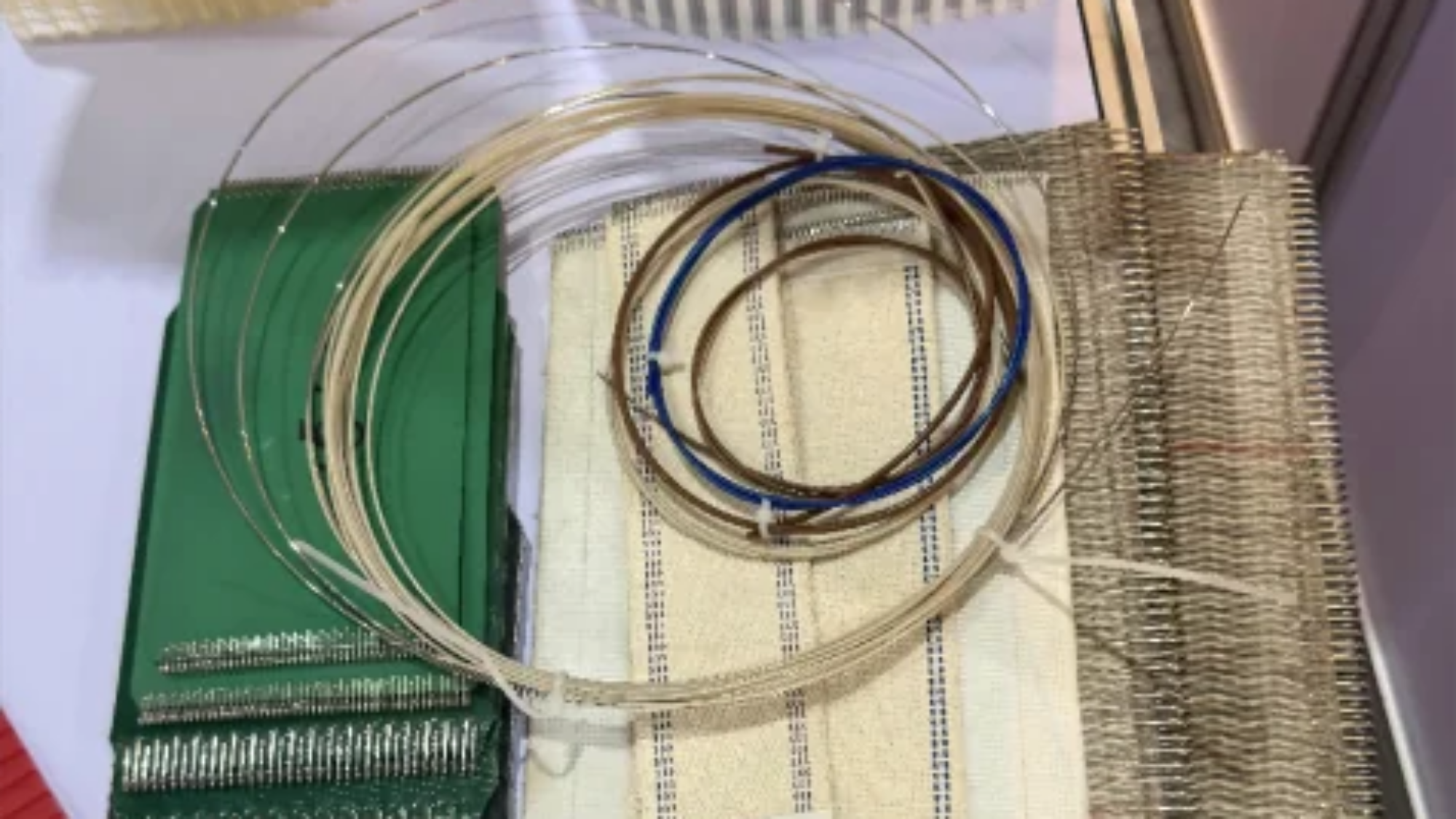
Corrosion resistance and structural reliability remain primary concerns for professionals maintaining conveyor systems in challenging environments. When equipment operates in wet, acidic, or high-humidity conditions, the hardware used to secure belt ends must resist degradation to prevent premature splice failure. At Intake, we address these specific operational requirements by providing specialized hardware designed to maintain joint integrity over extended periods. Our focus involves evaluating how specific material grades, such as stainless steel, influence the service life of a belt splice in industrial settings.
The Material Advantage of Stainless Steel
Resistance to chemical attack and environmental oxidation is the primary reason for utilizing stainless hinge pins in conveyor systems. Unlike standard carbon steel, which may rust rapidly when exposed to moisture, stainless steel maintains its surface integrity. At Intake, we supply these components because they provide a stable solution for operators who cannot afford the maintenance overhead associated with corroded hardware. A rusted pin often expands or becomes brittle, which causes increased friction within the fastener loops and eventually leads to a broken splice.
Integrating a stainless hinge pin into a fastening system also simplifies routine maintenance tasks. Because the material is highly resistant to atmospheric corrosion, these pins are less likely to seize within the fastener loops over time. This makes the replacement process significantly more efficient during scheduled downtime. We observe that facilities using these higher-grade pins experience fewer instances of stuck hardware, which allows maintenance crews to remove and install belts with greater consistency and less physical effort.
Structural Performance in Fastening Systems
Functional reliability depends on how the conveyor belt hinge pin interacts with the mechanical fastener plates. Even in harsh conditions, the pin must retain its tensile strength to handle the constant tension of the belt. We ensure that our production processes deliver dimensions that fit precisely within the loops of the fastening system. When the fit is correct, load distribution across the splice becomes uniform, which prevents localized stress concentrations that often cause belt edges to fray or fasteners to pull out.
The mechanical design of the conveyor belt hinge pin must also accommodate the flexibility required for the belt to traverse pulleys. In environments where stainless steel is specified, we pay close attention to the hardness of the alloy. It is necessary for the pin to be durable enough to withstand the abrasive forces of the belt material while remaining flexible enough to bend without snapping. By maintaining these specific mechanical properties, we support the operational uptime required for continuous material handling processes.
Ensuring Long-term Maintenance Stability
Reliable operation is achieved when the hardware used for belt joining meets the specific demands of the site environment. We emphasize that maintenance managers should verify the material compatibility of their stainless hinge pins with the existing belt type and fastener style. Using mismatched components can lead to galvanic corrosion or accelerated wear, negating the benefits of the stainless material. Our team provides technical guidance to ensure that every component serves its purpose within the assembly without compromising the performance of the belt.
Effective maintenance involves looking at the entire splice as a system. When we deploy a high-quality conveyor belt hinge pin, we are focused on the long-term interaction between the pin and the fastener plates. This approach minimizes the frequency of emergency repairs and supports a more predictable maintenance schedule. By relying on durable hardware, site operators can maintain steady production rates even in environments where standard steel components would fail. The technical precision we apply to these products helps support the mechanical health of conveyor systems across various industrial sectors.