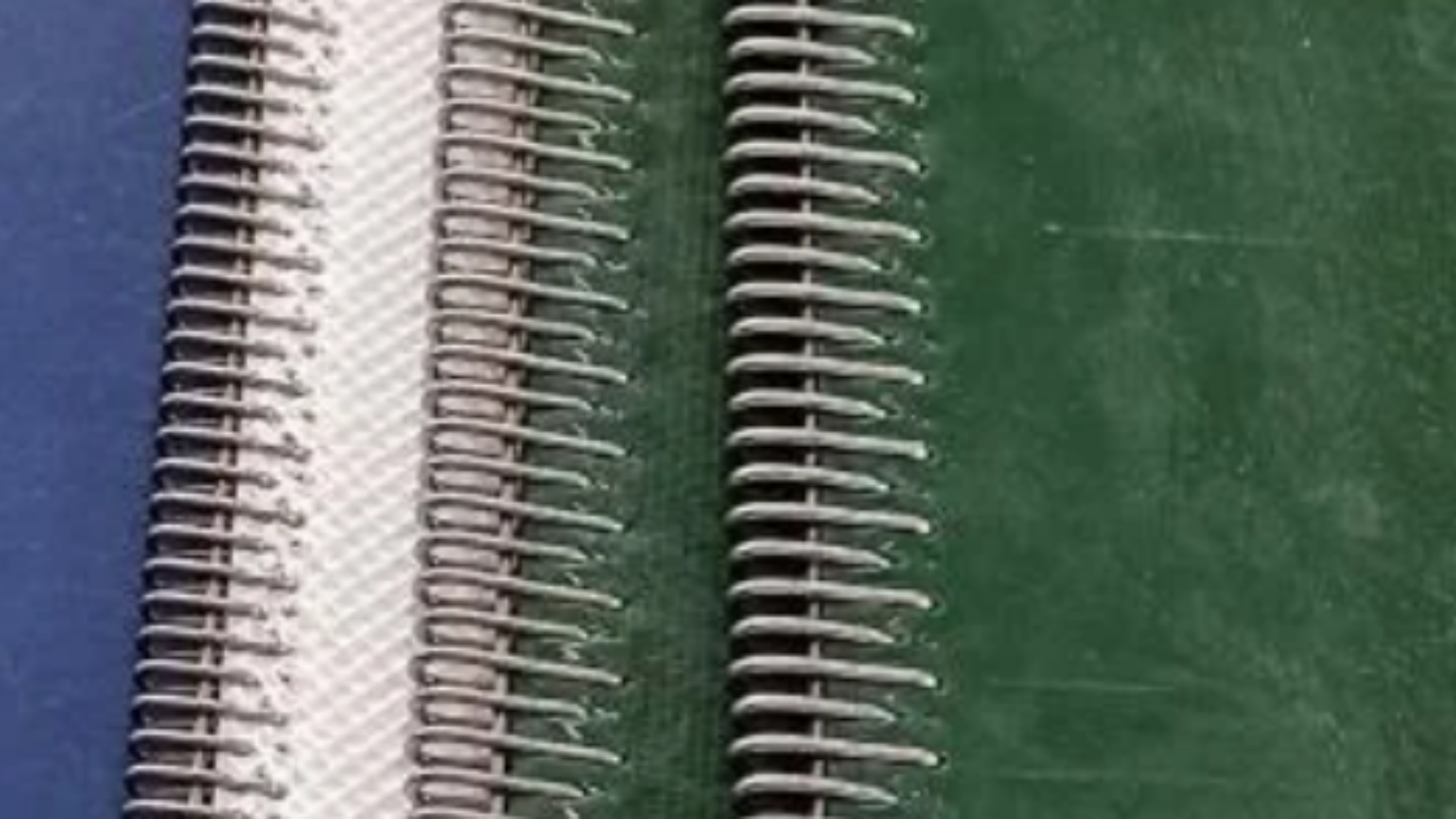
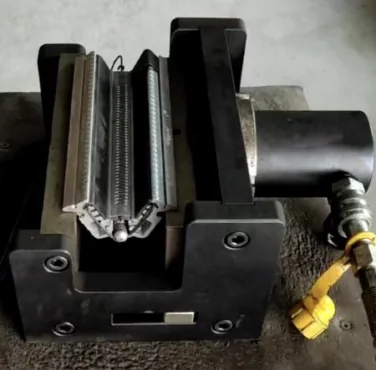
Heavy-duty conveying setups handling severe bulk loads depend on consistent clamping pressure during mechanical joint installation. Employing a hydraulic belt fastener machine allows maintenance crews to achieve precise clinch angles across thick belting without relying on manual hammer strikes or mechanical leverage.
Proper mechanical compression distributes joint forces evenly across load-bearing belt fibers. By standardizing installation pressure, industrial operators extend joint life and mitigate early structural failures.
Addressing Tension Challenges in Heavy Material Transport
High-capacity conveyors subject mechanical splices to extreme dynamic strain, continuous flexing, and severe impact at transfer points. Uneven fastener compression creates weak spots along the joint, accelerating wire hook deformation and carcass tearing.
Utilizing specialized fluid-driven tooling delivers uniform pressure across every hook point. Controlled hydraulic compression sinks fastener teeth cleanly into the belt cover without damaging underlying structural cords.
Comparing Manual versus Powered Belt Splicing Methods
Manual lacing tools rely heavily on operator physical strength, often resulting in inconsistent fastener penetration across wide belt profiles. Irregular joint profiles cause localized stress points that prematurely fail during continuous operations.
Integrating a hydraulic machine system eliminates manual variability by applying predictable, repeatable pressing force. Steady hydraulic power completes wide splices faster while reducing technician fatigue during demanding field repairs.
Optimizing Fastener Retention Force Through Uniform Pressure
Sufficient holding power requires mechanical fasteners to clinch tightly into belting fabrics without crushing internal reinforcement plies. Over-crimping weakens belt carcass fibers, whereas under-crimping allows hooks to work loose under load.
Calibrated hydraulic pressure achieves accurate fastener set depths across varied belt gauges. Uniform crimping maximizes mechanical grip while preserving structural carcass integrity.
Application Versatility Across Demanding Processing Sectors
Heavy belting operates across diverse operating environments, from outdoor mineral extraction to high-speed distribution hubs. The Hydraulic Belt Fastener Machine System can support conveyor belt fastening requirements across industries such as mining, logistics, food processing, and manufacturing.
Different operational settings present unique mechanical challenges, including abrasive dust, high humidity, or rapid cycle speeds. Adaptable fluid-driven lacing machinery accommodates wide belt profiles and diverse fastener materials across these varied sectors.
Streamlining Onsite Operations in Mining and Aggregates
Primary crushers and mineral conveyors utilize thick, reinforced belts that resist standard manual lacing tools. Field repairs in remote gallery locations require robust equipment that functions reliably under extreme environmental conditions.
Powered fluid systems supply the necessary tonnage to penetrate multi-ply belting smoothly. Deploying a reliable hydraulic belt fastener machine shortens emergency downtime during unexpected belt splices in quarrying operations.
Precision Pressure Regulation in Logistics and Sorting Systems
High-speed parcel distribution networks rely on smooth, low-profile splices that navigate compact rollers quietly. Protruding fastener hooks cause severe roller chatter and trigger optical sorting sensors.
At Intake, we provide belt fastening machinery and tools designed to support efficient mechanical belt splicing. Precise pressure regulation sinks fastener wires flush with the belt surface, protecting sensitive automated sorting equipment.
Compliance and Hygiene Factors in Food Belt Splicing
Sanitary processing lines require smooth splice transitions that prevent organic material accumulation and permit thorough washdown procedures. Loose or damaged wire hooks create crevices where bacteria and debris accumulate.
Consistent mechanical pressing forms flush, tight joint profiles that resist snagging during continuous sanitation cycles. Controlled installation keeps belt surfaces clean and compliant with hygiene protocols.
Protecting Conveyor Carcass Structure During Installation
Sharp impacts from manual installation tools can crack surrounding belt covers or fracture synthetic carcass yarns. Internal structural damage accelerates moisture penetration and edge fraying along the joint line.
Using a hydraulic machine system provides smooth, continuous force that drives fastener legs cleanly through belt fabrics. Gentle penetration preserves carcass strength and maintains original belt tensile ratings.
Enhancing Workplace Safety During Heavy Belt Repairs
Manual lacing methods often involve repeated hammer strikes or heavy manual levers in tight spaces, creating physical strain and safety hazards for service personnel. Heavy physical labor increases accident risks during urgent maintenance calls.
Fluid-powered lacing machinery reduces the manual force required for heavy compression tasks and can make belt fastening more manageable for technicians. Ergonomic tool design reduces physical strain while speeding up emergency belt repairs.
Long-Term Reliability and Infrastructure Protection
Consistent mechanical splices can help reduce interference with drive pulleys, return idlers, and belt cleaner blades by maintaining a smoother joint profile. Smooth splices pass through conveyor components without causing mechanical shocks.
Investing in robust installation equipment protects belting assets across their full service life. At Intake, we supply durable tooling designed to maintain splice quality across heavy industrial applications.
Conclusion
Standardizing mechanical joint installation with advanced fluid-driven lacing equipment protects belting infrastructure and improves operational throughput. Deploying a hydraulic belt fastener machine gives maintenance teams the precise pressing force necessary to handle demanding industrial splices. Modern processing plants benefit from using a hydraulic machine system to minimize repair downtime and preserve belt carcass strength. Here at Intake, our team continues to refine practical joining solutions that support efficient material handling across global industries.