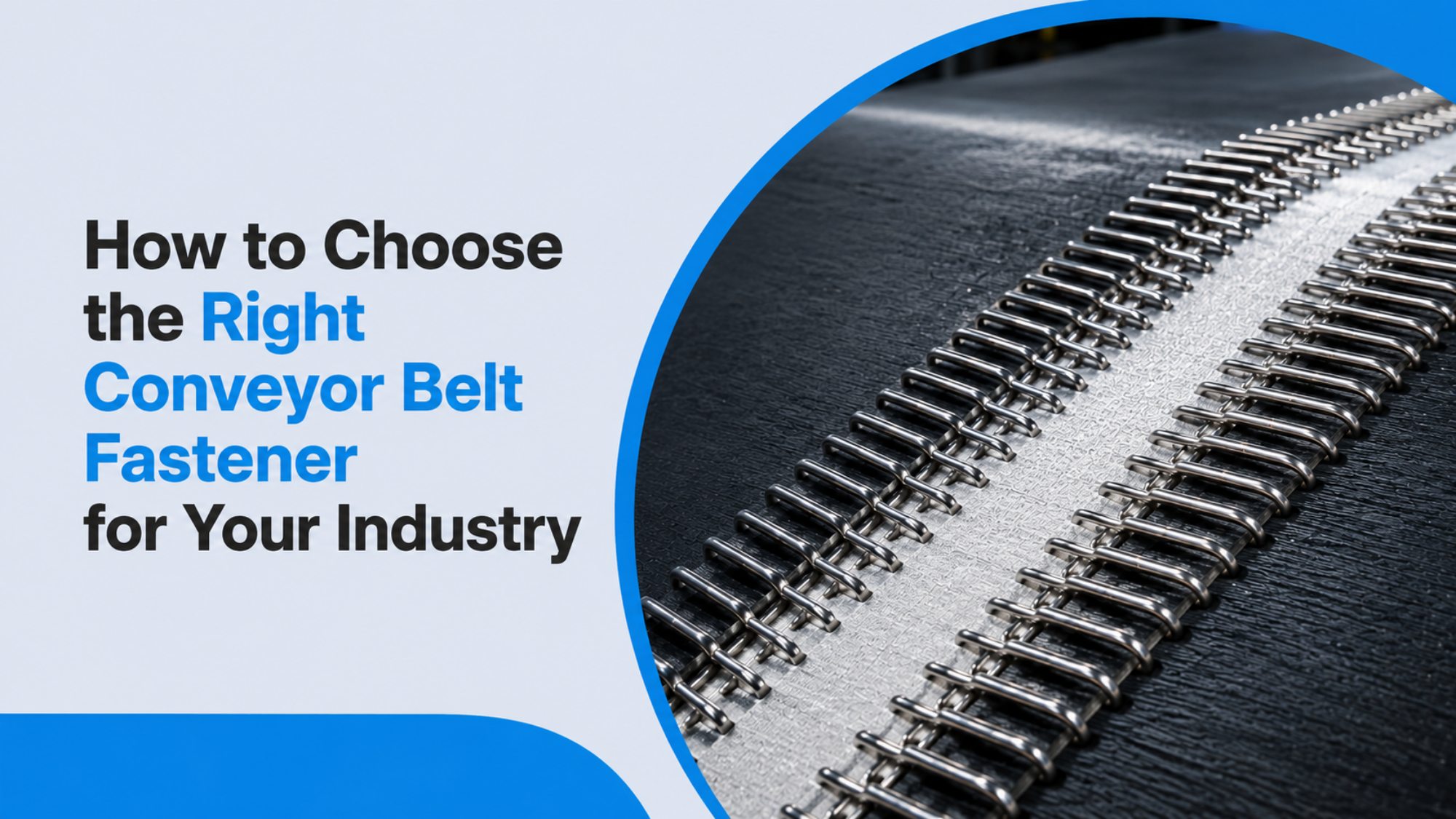
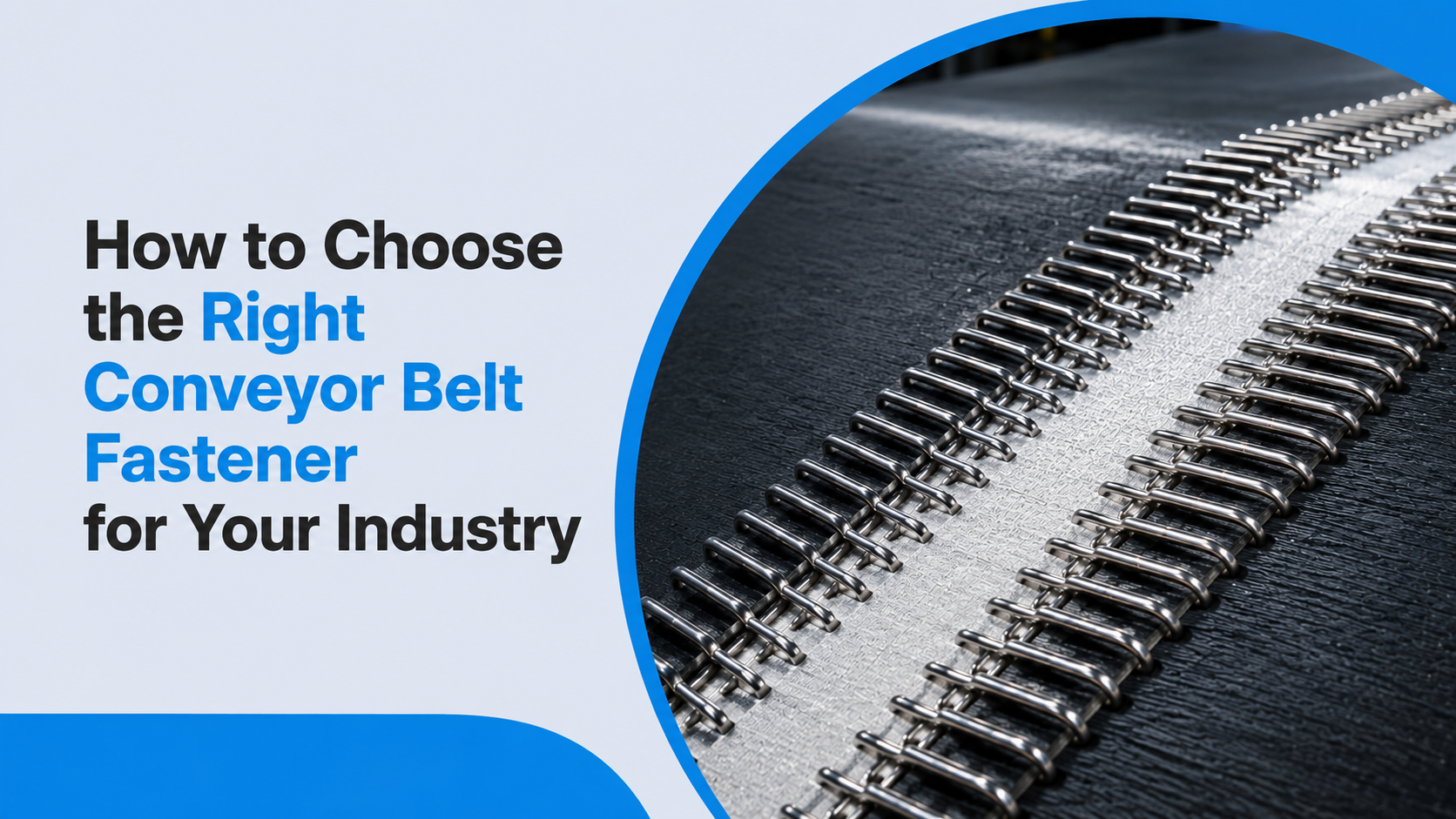
Every reliable conveyor system relies on a strong, durable splice to keep operations moving smoothly. A high-quality belt fastener acts as the crucial link holding the belt ends together. We understand that selecting the right splicing method directly impacts your production uptime and facility safety. Different applications demand specific characteristics from a joint. These requirements range from strict sanitation standards to extreme impact resistance. In this guide, we will explore the core criteria for evaluating splicing solutions. We will also explain how to choose the ideal connection for your specific operational needs.
Why Industry Matters When Selecting Belt Fasteners
You cannot use a one-size-fits-all approach when splicing a conveyor belt. Every facility faces unique mechanical and environmental demands. The right choice depends heavily on your specific daily application.
We recommend reviewing these seven factors before selecting an industrial belt fastener:
- Belt material: Rubber, PVC, PU, fabric, polyester mesh, and other belt materials have different thicknesses, flexibility levels, and retention requirements. The fastener must grip the belt without cutting, cracking, or weakening it.
- Product being conveyed: Lightweight cartons, wet laundry, corrugated board, packaged food, powder, ore, and aggregate all create different loads and wear patterns. Sharp, abrasive, oily, sticky, or heavy materials require added attention.
- Operating environment: Temperature, moisture, chemicals, dust, corrosion, and abrasion affect fastener material selection. Stainless steel or corrosion-resistant options can be important in wet, washdown, or chemical-exposure environments.
- Cleaning frequency: Food and pharmaceutical lines may require frequent washdown and sanitation. The belt fasteners are easy to clean, avoiding bacteria growth and rust.
- Conveyor speed: Higher speeds increase stress at the belt joint. Be sure to choose aerodynamic profiles to reduce noise and wear.
- Load capacity: Heavy bulk materials demand thick, high-tensile strength metals. According to the Conveyor Equipment Manufacturers Association (CEMA) standards, fastener tension ratings must always exceed the maximum operating tension of the belt.
- Joint flexibility: The metal joint must smoothly navigate your specific pulley diameters. Stiff joints cause belt fatigue and cracking.
How to Choose by Industry
Different sectors face vastly different daily challenges. Below is a useful starting point for eight common industries:
1. Logistics Industry
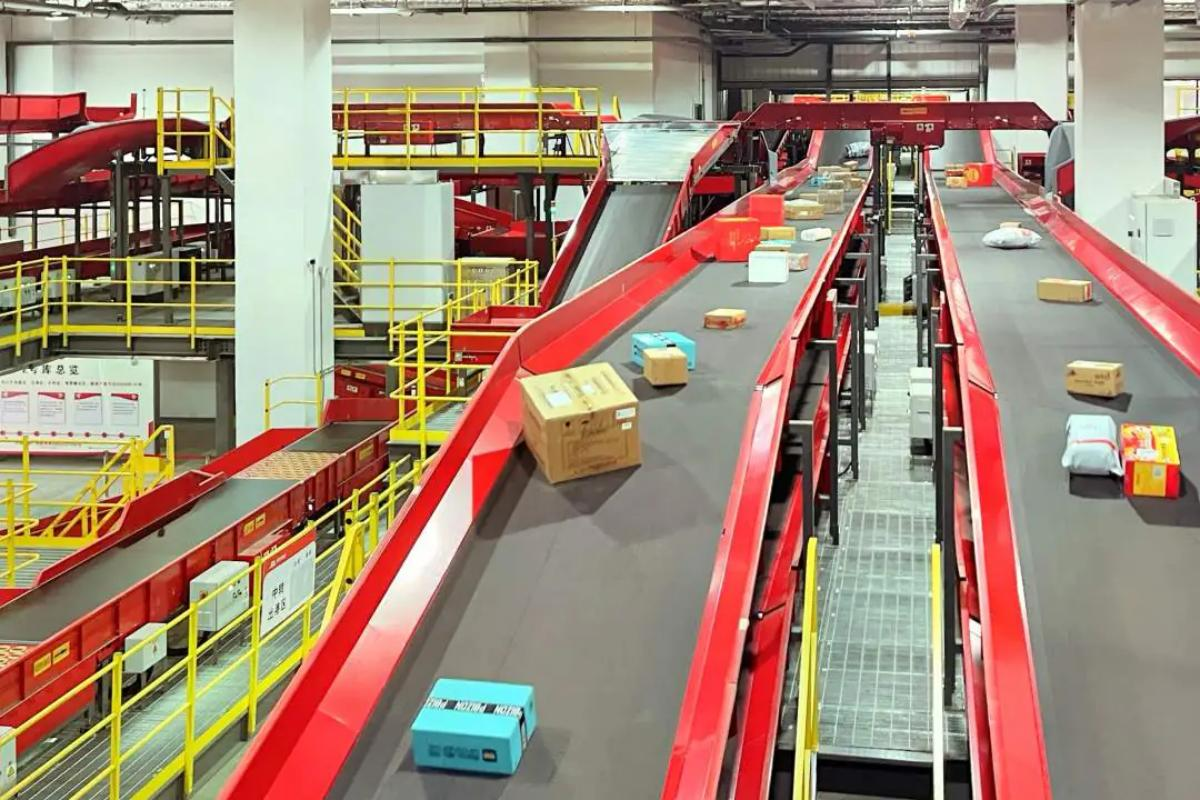
Distribution centers and parcel-handling facilities often use light- to medium-duty belts that carry cartons, polybags, totes, and packaged goods.
These parcel sorting facilities need quiet, low-profile splices. We recommend wire hook styles. They install quickly and run smoothly over the small pulleys common in distribution centers.
2. Laundry Industries
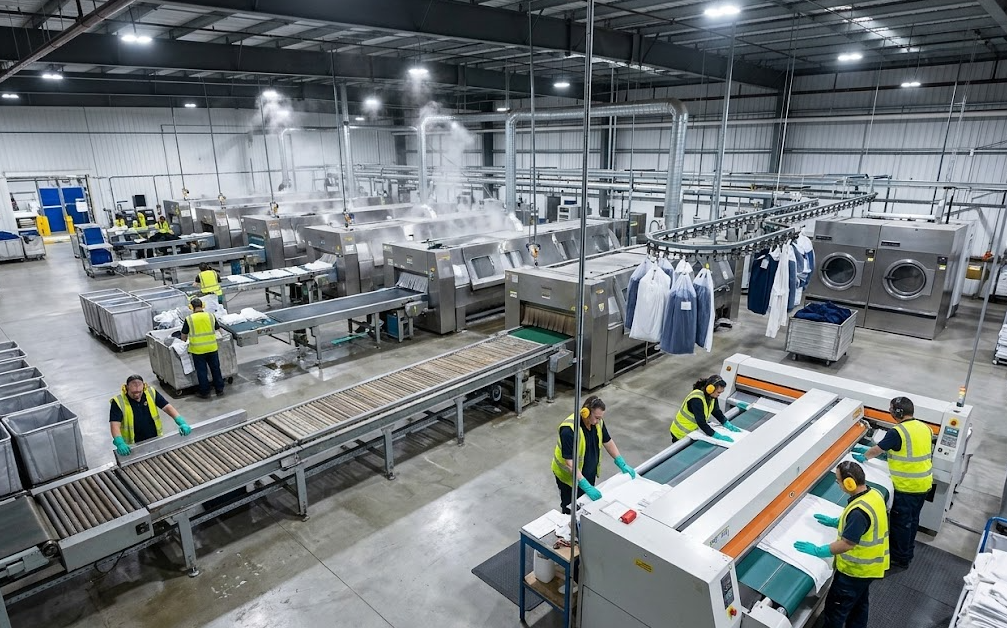
Commercial laundries operate in humid conditions and frequently handle textiles, linens, towels, and garments. Heat, moisture, detergents, and repeated cleaning can affect both belts and fasteners.
For these systems, you need corrosion-resistant stainless steel clips. These will maintain their strength and will not snag delicate fabrics.
3. Industrial Conveyor Systems
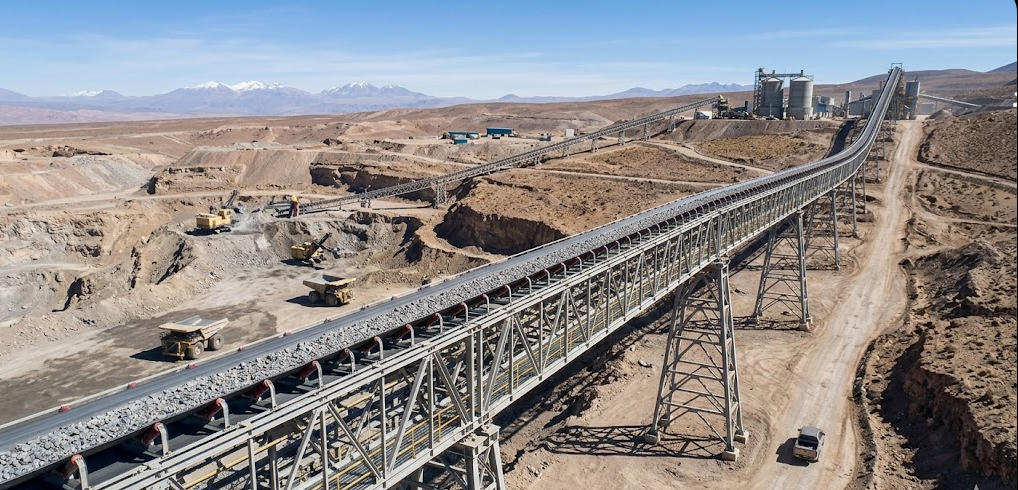
General industrial conveyors cover a wide range of applications, from component assembly to material transfer and packaging. There is no universal answer because the load, belt construction, speed, and environment can vary greatly.
We begin with belt tension, thickness, and minimum pulley diameter. Heavy-duty work may require a stronger industrial belt fastener, while lighter production lines may benefit from a flexible solution that is easy to install and service.
4. Corrugated Paper Industry
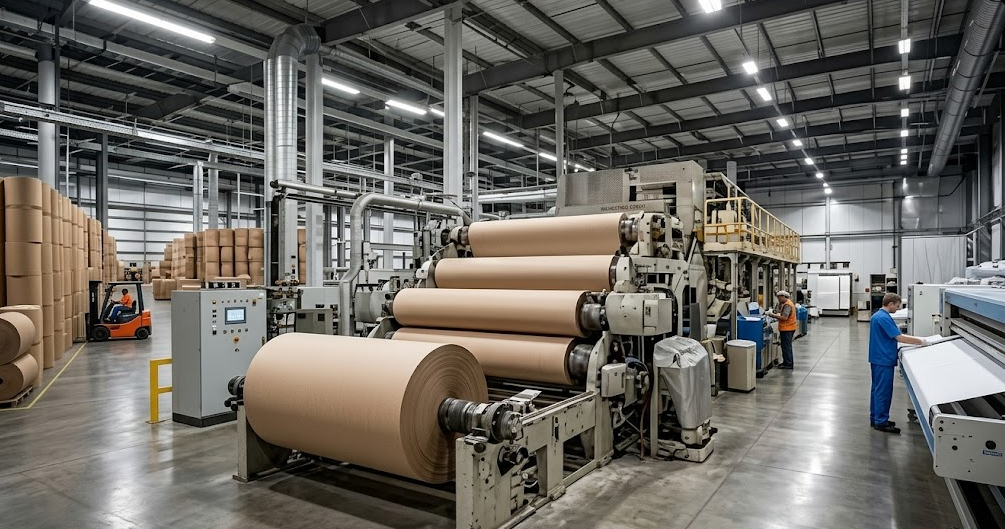
Cardboard manufacturing creates high amounts of dust. The process also requires non-marking belts. Low-profile plastic spiral designs or specialized metal hooks keep the paper products pristine.
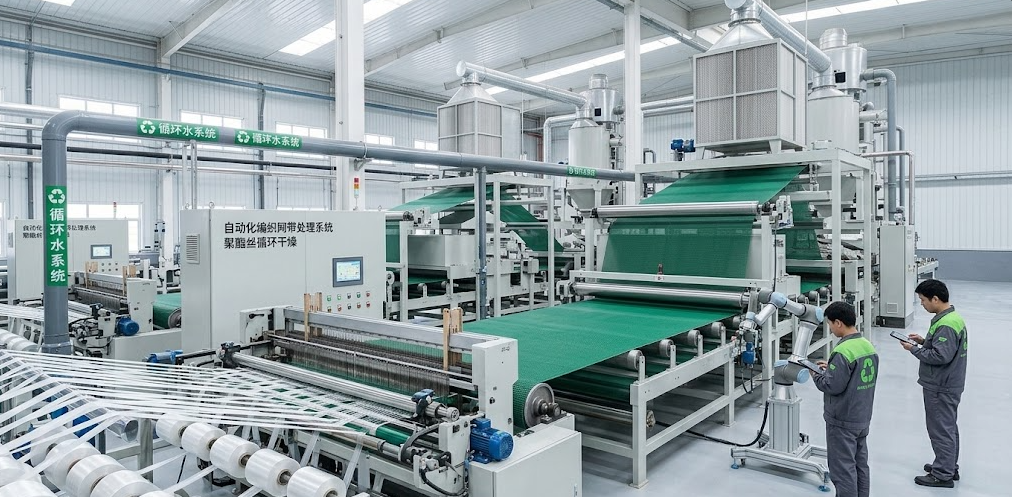
5. Polyester Mesh Belt Industry
Polyester mesh belts are common where airflow, drainage, drying, washing, or filtration matters. Their open structure creates special fastening requirements. The joint must preserve belt flexibility while maintaining the belt’s function.
Clipper hooks or specialized spiral lacings provide a strong grip. They secure the ends without tearing the open mesh weave.
6. Food Processing Industry
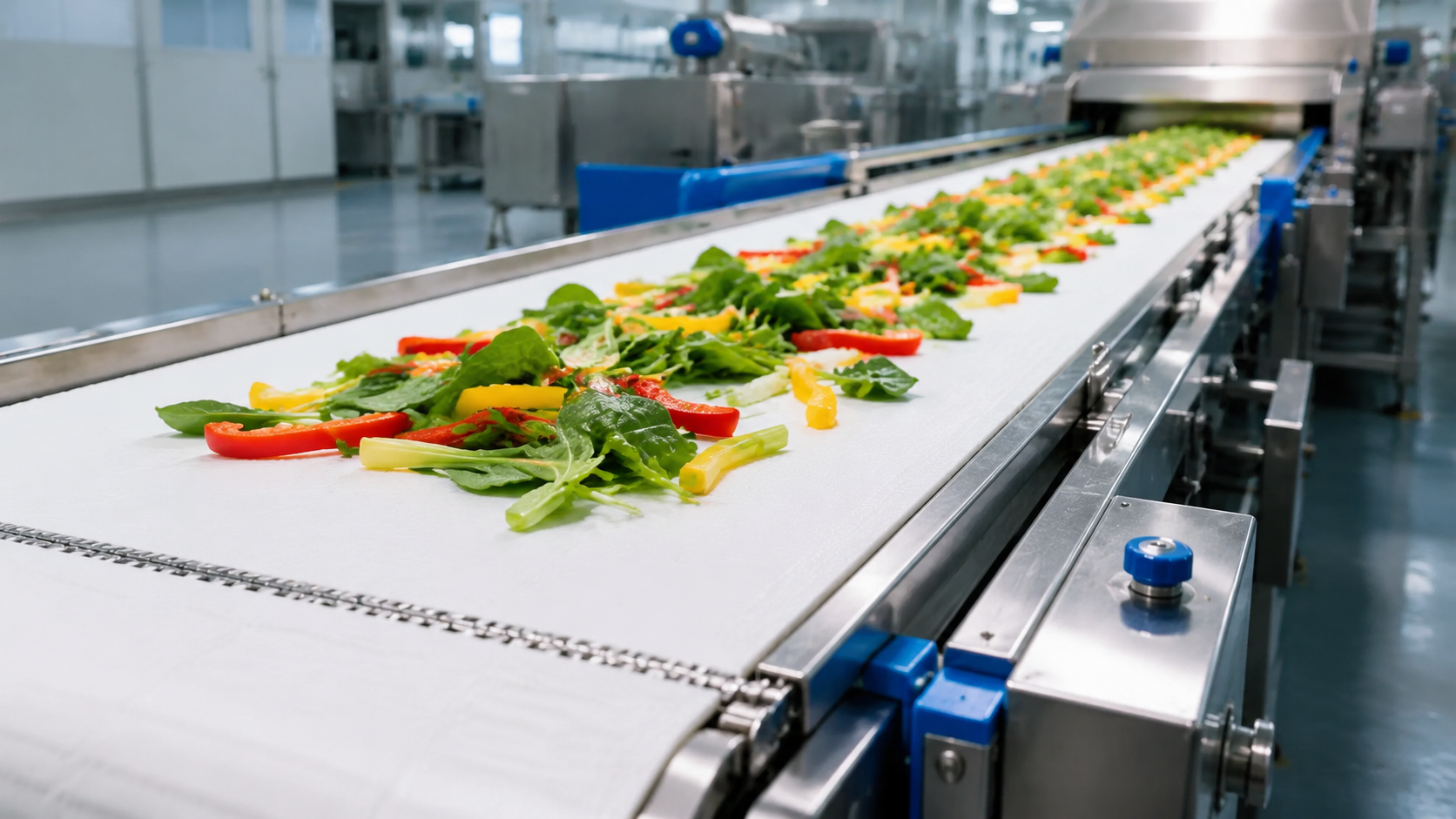
Food processing plants demand careful attention to sanitation, washdown, moisture, oils, temperature changes, and chemical cleaners. The right belt fastener should fit the belt material and the cleaning process used on the line.
We recommend reviewing corrosion resistance, cleanability, product-contact requirements, and joint profile before choosing a system. In addition, it should be evaluated for applicable regulatory and sanitation requirements, rather than selected by general-purpose performance alone.
7. Pharmaceutical Industry
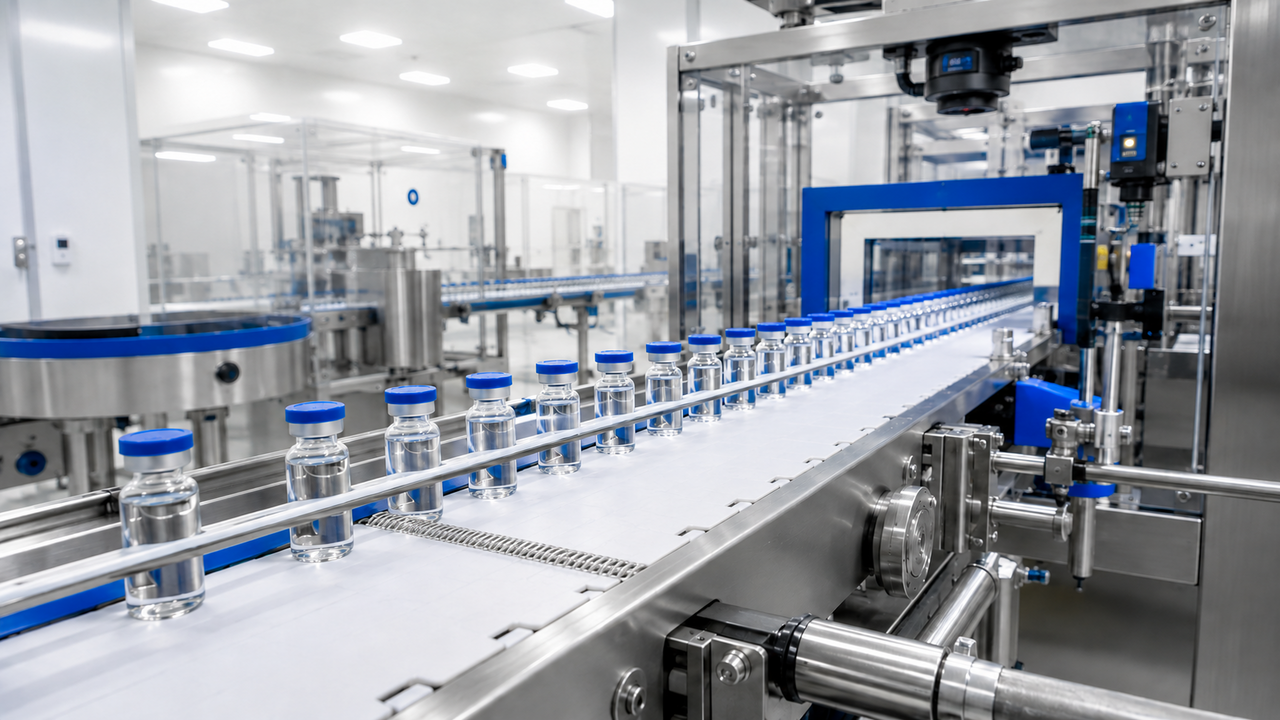
Similar to food production, pharmaceuticals require zero contamination risks. Non-metallic joints or highly polished stainless steel clips work perfectly. They thrive in these highly controlled cleanroom environments.
8. Mining Industry
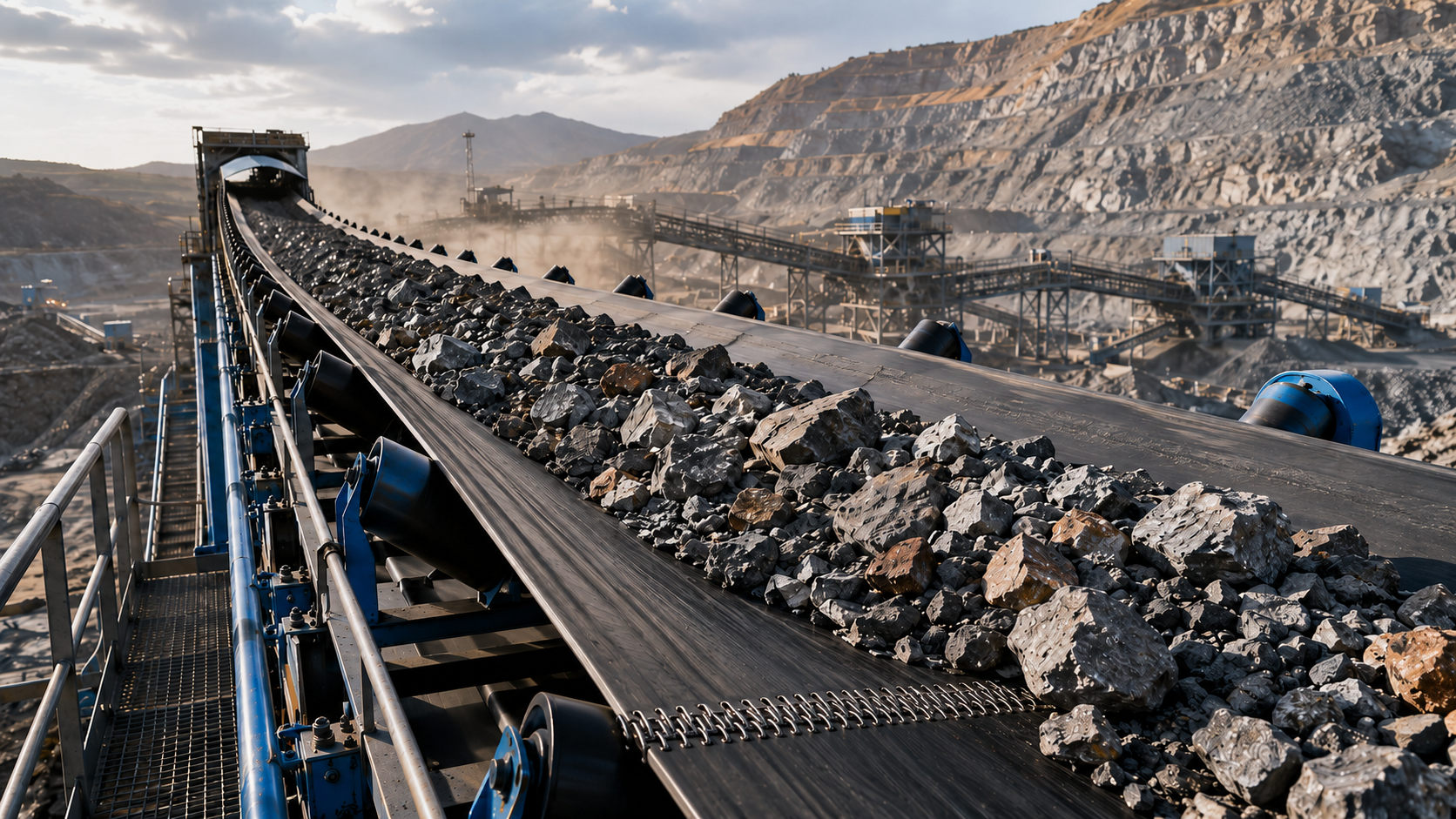
Mining operations move tons of abrasive rock daily. You need maximum holding power. Heavy-duty solid plate splices handle high tension and extreme impact better than any other style.
Common Belt Fastener Selection Mistakes
When choosing belt fasteners, there are some common mistakes:
- Selecting only by price: A cheap belt fastener might save you a few pennies today. However, it will cost thousands in lost production downtime tomorrow when the joint suddenly breaks.
- Ignoring belt thickness: Fastener size must match the thickness at the splice point.Using a large clip on a thin belt causes joint stiffness. This quickly damages the conveyor pulleys.
- Overlooking environmental conditions: Water, humidity, heat, chemicals, corrosion, dust, and abrasion should influence material selection.You must always match the specific metal alloy to your operating environment.
- Choosing incompatible materials: Mixing inappropriate metals can cause galvanic corrosion. This weakens the splice over time.
- Using undersized fasteners: A splice must comfortably handle your maximum load capacity. An undersized clip will physically pull out of the rubber under heavy tension.
- Neglecting maintenance requirements: Some heavy-duty plates require periodic retightening after installation. Skipping this basic maintenance drastically reduces the life of the splice.
Work with an Experienced Conveyor Belt Fastener Manufacturer
Splicing directly affects your daily bottom line. Partnering with a dedicated belt fastener manufacturer guarantees you get the right product the first time. At Intake, we focus exclusively on delivering precise, reliable solutions for your specific mechanical challenges.
- Customized solutions: We evaluate your exact pulley diameters, operating tension, and materials. Then, we engineer a custom splicing plan for your machinery.
- Wide range of fastening systems: We manufacture an extensive catalog of options. You will always find the exact belt fastener your specific machinery requires.
- Good joint strength: We rigorously test all our metals and plastics in-house. Our products consistently deliver exceptional holding power and long-lasting durability.
- Low MOQ: Weoffer minimum order quantities starting at 50 boxes, giving businesses more flexibility when sourcing belt fastening products.
- Competitive price: We manufacture our products directly in our own facilities. This direct-to-market approach allows us to offer premium-grade solutions at highly competitive prices, with no extra markup.
Summary
Choosing the correct belt fastener requires careful consideration of your environment, materials, and machinery. The wrong choice inevitably leads to sudden breaks and lost revenue. Conversely, the right choice ensures years of smooth, reliable service. We dedicate ourselves to keeping your production lines moving with maximum efficiency and safety. If you need a reliable replacement part or want to upgrade your current splicing method, we are ready to help. Contact us today to explore our full product catalog and request a custom quote for your projects.