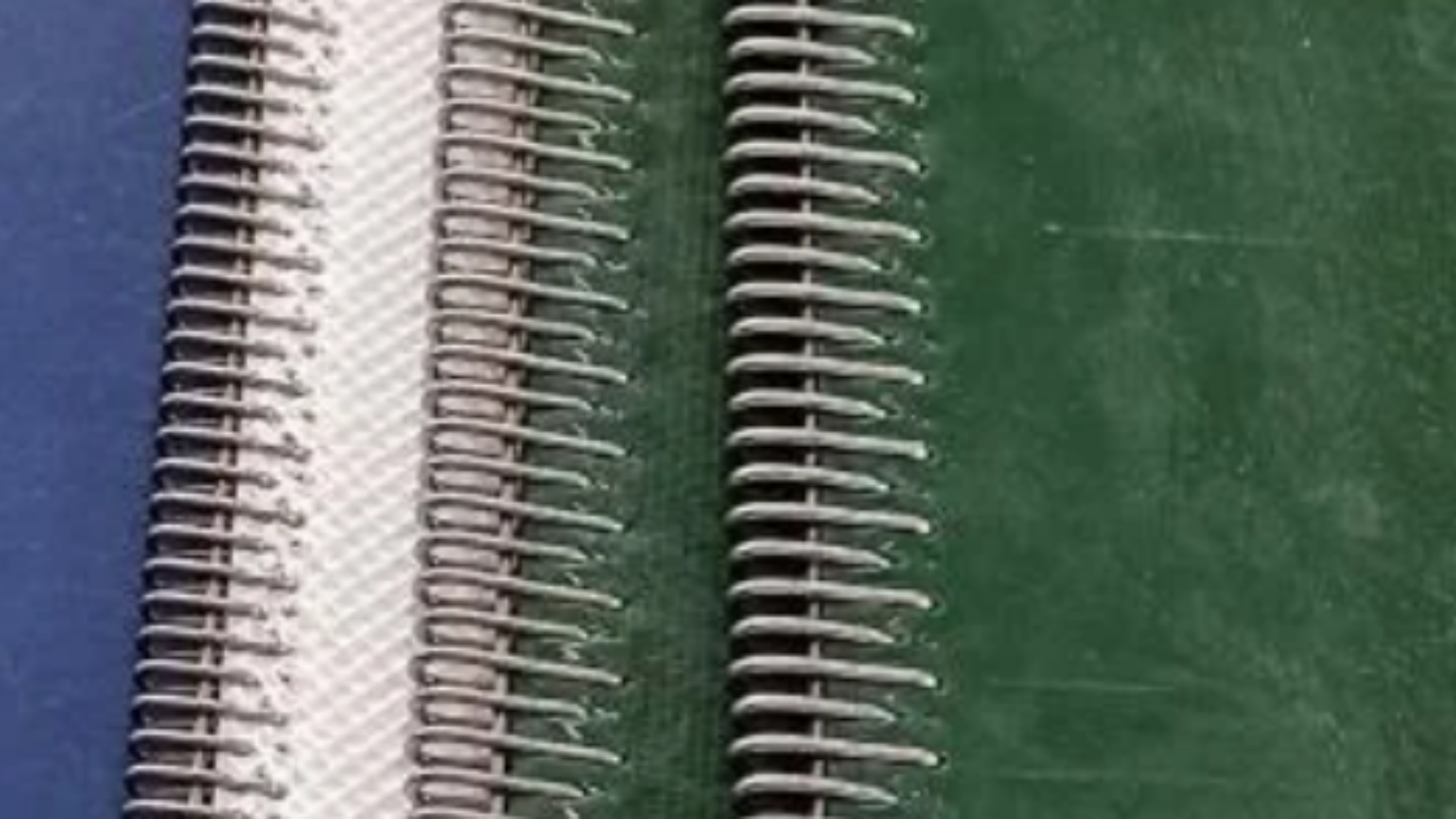
Unplanned conveyor shutdowns create immediate bottlenecks in modern material handling, stalling entire production schedules within minutes. Sourcing dependable hardware from a qualified conveyor belt fastener manufacturer allows facility operators to address sudden belt breaks swiftly without requiring lengthy curing periods or complex field equipment.
Properly engineered mechanical joins withstand severe dynamic stresses while offering predictable service life. By implementing structured splicing protocols, maintenance teams restore continuous operational throughput across various manufacturing sectors.
Reducing Emergency Repair Time in Industrial Facilities
Unscheduled system stoppages generate substantial productivity losses across automated supply chains. Implementing a mechanical splice enables quick belt re-joining directly on the framework, bypassing the multi-hour heating cycles inherent to thermal bonding processes.
Cold mechanical joining relies on physical compression rather than chemical adhesion. This allows internal repair crews to complete joint replacements rapidly using basic mechanical installation tools.
Comparing Mechanical Splicing and Hot Vulcanization
Vulcanization provides a smooth seam, yet it requires clean environmental conditions and specialized outside contractors. Rain, airborne dust, or tight gallery clearance can prevent proper field vulcanization altogether.
A mechanical belt splice can provide an immediate mechanical connection without relying on adhesive curing, making it useful in applications where ambient moisture or surface conditions may complicate vulcanization. This resilience makes mechanical joints ideal for harsh industrial environments where speed and reliability are paramount.
Preserving Carcass Integrity Under Dynamic Loads
Conveyor belts experience continuous tensile strain, bending forces, and impact loads at loading zones. Proper mechanical fastener selection prevents stress concentration along the joint line.
Staggered pin or hook geometries grip carcass fibers firmly without weakening the belt core. Distributing tensile load evenly preserves overall splice strength throughout thousands of rotation cycles.
Handling Moisture and Chemical Corrosion Concerns
Aggressive washdown chemical regimens and high humidity accelerate rust formation on standard carbon steel components. Corroded fasteners weaken rapidly, leading to premature splice separation.
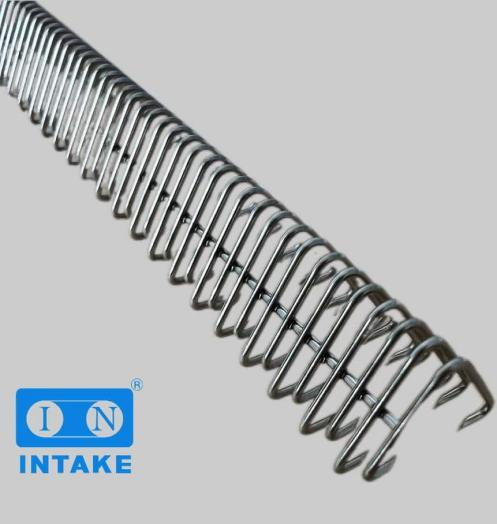
Stainless steel fasteners can offer improved resistance to corrosion in demanding processing environments. For applications requiring stainless steel fastening components, we offer the Reinforced Wire Hook Belt Fastener, made from 304S material.
Improving Compatibility with Compact Pulley Systems
Small drive pulleys require flexible joint systems that flex around tight radiuses without stiffening or causing excessive hinge friction. Rigid splices induce premature metal fatigue and accelerate roller wear.
Low-profile wire hook designs Stainless steel fasteners can offer improved resistance to corrosion in demanding processing environments. For applications requiring stainless steel fastening components, we offer the Reinforced Wire Hook Belt Fastener, made from 304S material.
Simplifying Inspection Protocols for Maintenance Crews
Identifying potential component failure before an actual breakdown occurs is critical for operational stability. Mechanical splices allow clear visual inspection of pin wear, hook alignment, and belt edge condition.
Regular visual audits help technicians plan preventive maintenance during scheduled downtime windows. Partnering with a trusted conveyor belt fastener manufacturer ensures consistent replacement hardware specs for simplified inventory management.
Adapting Splices to Variable Belt Thicknesses
Industrial belting varies significantly in carcass construction, top cover thickness, and synthetic composition. Using ill-fitting joining hardware damages belt fibers and reduces joint retention force.
Precision engineering allows mechanical fasteners to match specific belt gauges. At Intake, we provide a range of joining options in different sizes, materials, and configurations to accommodate diverse belt requirements.
Lowering Capital Expenditures and Labor Overhead
Contracting specialized vulcanization crews introduces substantial recurring service fees for routine maintenance. Mechanical splicing empowers in-house technical teams to perform immediate joint adjustments and repairs independently.
Reducing reliance on external contractors lowers overall facility maintenance expenditure. Standardizing mechanical hardware kits optimizes spare parts storage and inventory logistics across large industrial sites.
Additionally, well-trained plant personnel can complete mechanical splices in a fraction of the time required for vulcanized alternatives, minimizing belt downtime during shift changes or scheduled maintenance windows. This self-sufficiency not only accelerates response to unexpected belt failures but also builds internal technical expertise, reducing dependency on outside vendors and enabling more predictable budgeting for conveyor upkeep across the entire operation.
Aligning Hardware Weight and Packaging Specifications
Managing maintenance inventory requires clear physical specifications for replacement kits. Standardized weight and box counts enable field crews to transport necessary equipment easily across large plant footprints.
The Reinforced Wire Hook Belt Fastener features a weight of 0.55KG and comes in 12 Pcs/Box packaging specifications. These exact dimensions assist technical managers in streamlining field tool kits and storage planning.
Mitigating Conveyor Belt Tracking Errors
Improperly squared belt splices cause severe tracking misalignment, forcing the belt against structural side frames. This edge wear leads to premature carcass fraying and material spillage along the conveyor line.
Mechanical installation tools ensure square cuts and uniform fastener alignment across the belt width. Precise joint geometry prevents tracking drift and extends overall belting service life.
Conclusion
Systematic deployment of mechanical splice solutions mitigates expensive operational downtime and safeguards conveyor infrastructure. Sourcing specialized hardware from an established conveyor belt fastener manufacturer helps maintenance managers address structural belt repairs efficiently. Relying on a robust mechanical belt splice gives technical teams the speed and adaptability needed to maintain smooth material flow. Here at Intake, our team continues to refine reliable joining technologies designed to support demanding industrial applications globally.
