Selecting appropriate connection pins dictates how effectively a mechanical splice holds together over extended operating periods. Plant technicians sourcing components through a specialized hinge pin manufacturer evaluate material properties against operating temperatures, chemical exposure, and mechanical load demands.
Proper pin selection preserves hinge flexibility while preventing joint shear under heavy continuous tension. Understanding material trade-offs allows engineering teams to optimize belt uptime across diverse industrial environments.
Mechanics of Mechanical Belt Splice Articulation
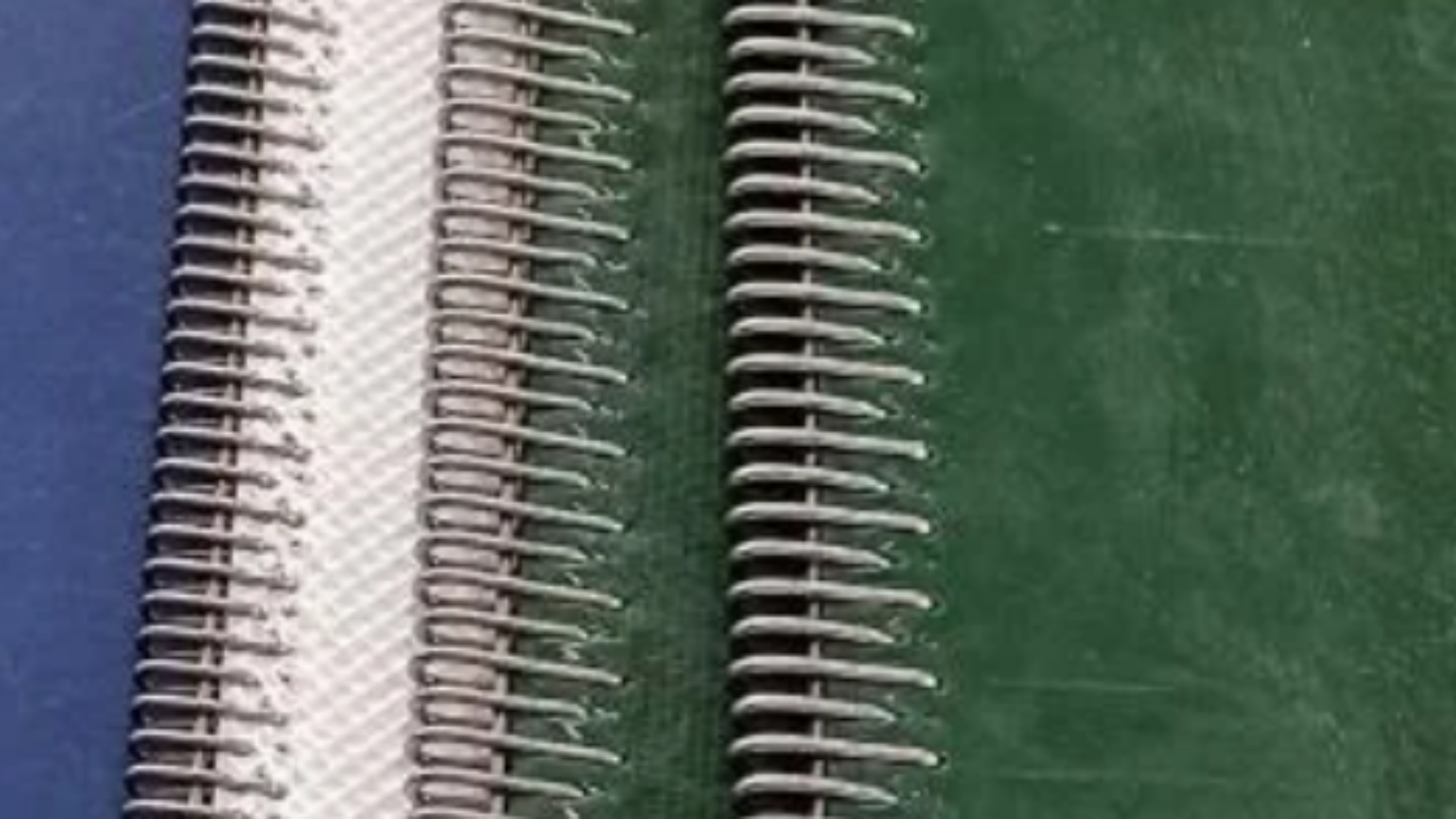
Mechanical belt joints function as continuous hinges that flex repeatedly around drive pulleys and tail drums. The inserted pin acts as the central pivot shaft, holding interlocked metal loops together while absorbing multi-directional forces.
Selecting incorrect pin materials leads to rapid shaft grooving, binding, or unexpected shear failures. Proper articulation preserves mechanical energy and prevents excessive drag against conveyor components.
Evaluating Metallic Pins in High-Load Applications
Metallic pins supply high shear resistance, making them suited for continuous heavy-duty material transport. Sourcing hardware from an experienced hinge pin manufacturer allows facilities to secure precise metallurgical formulations tailored to high-tensile belt operations.
Heavy bulk handling subjects mechanical splices to intense stress during material impact at transfer points. Rigid metallic cores resist bending deformation, preserving original shaft geometry under dynamic loads.
Assessing Synthetic Pin Characteristics for Light Systems
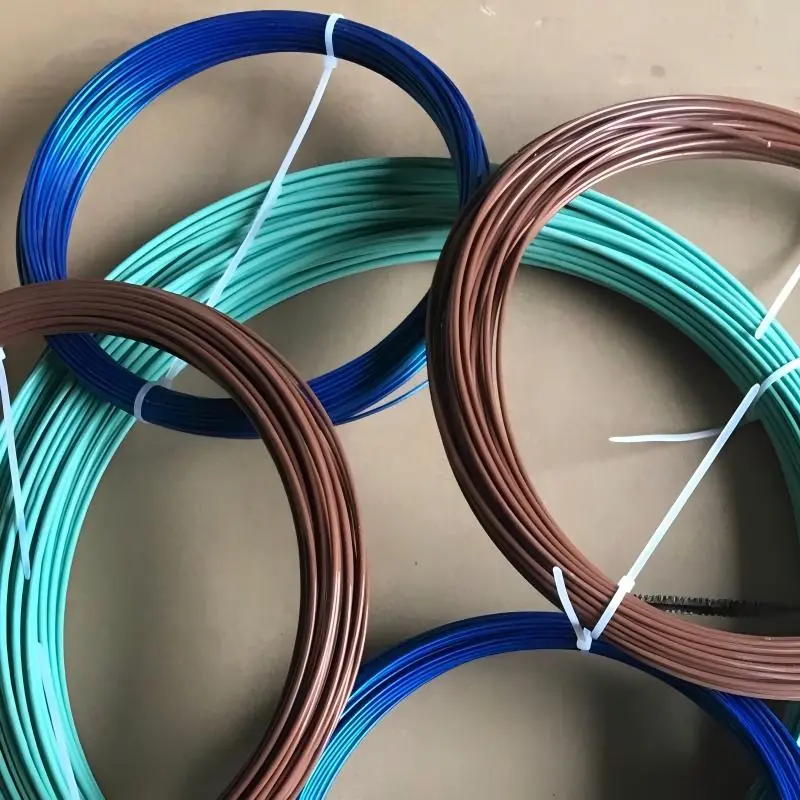
Non-metallic pins offer distinct advantages in lightweight conveying, magnetic separation systems, and sensitive electronic sorting lines. Synthetic formulations, such as nylon or reinforced polymers, minimize operational noise while passing smoothly across small pulley radiuses.
Polymers naturally dampen operational vibrations and prevent metal-on-metal friction within the joint loops. Synthetic shafts eliminate spark risks in environments containing volatile dust or flammable vapors.
Resistance to Chemical Washdown and Environmental Corrosion
Aggressive chemical sanitation protocols, common in food processing and pharmaceutical manufacturing, rapidly oxidize standard carbon steel pins. Surface corrosion creates rough spots that wear down mechanical fastener loops prematurely.
Selecting stainless steel such as 304S can provide improved resistance to corrosion in environments involving moisture or chemical exposure. Our Hinge Pin from Intake is made from 304S material.
Abrasion Behavior in Dust and Aggregate Handling
Fine particulate matter, such as sand or mineral dust, migrates into the hinge joint during operation, acting like a liquid grinding compound. Hardened steel shafts resist surface cutting better than softer synthetic alternatives.
Nylon pins exposed to heavy abrasive dust suffer rapid grooving, which reduces cross-sectional strength and causes splice slop. Metallic pins preserve structural dimensions under abrasive wear conditions.
Thermal Considerations Across Processing Environments
Extreme thermal variation alters the mechanical properties of both metallic and synthetic materials. High temperatures soften standard nylon shafts, increasing elongation risk and reducing tensile strength along the joint line.
Metallic options maintain dimensional stability across broad thermal spans. Material selection should account for thermal expansion and temperature-related changes in both metallic and synthetic hinge pins.
Managing Joint Flexibility and Pulley Contour Navigation
Conveyor belts navigating tight pulley diameters require flexible pin shafts that bend without setting permanent deformation curves. Stiff pins increase hinge resistance, accelerating belt cover wear near splice boundaries.
Flexible synthetic shafts can accommodate tighter belt contours and may reduce friction within the hinge joint. Selecting an appropriate pin material and flexibility can help support smoother belt articulation and reduce resistance at the splice.
Structural Specifications and Packaging Parameters
Systematic maintenance planning requires clear physical parameters for replacement parts inventory. Precise weight ratings and box quantities help field crews carry proper supplies to remote conveyor galleries.
Our Hinge Pin features a unit weight of 0.72KG and comes in 12 Pcs/Box packaging specifications. These defined metrics assist technical crews in planning site storage and job site transportation efficiently.
Impact on Equipment Maintenance and Pulley Wear
Soft pin materials wear faster than metal fastener loops, acting as sacrificial elements that protect expensive belt splice hardware. Replacing worn synthetic shafts during routine service windows extends overall splice life.
Hardened metal pins provide longer service intervals in severe environments but can induce wear on softer fastener loops over time. Balancing pin hardness against fastener loop metallurgy optimizes complete joint longevity.
Matching Component Specifications to Application Requirements
Evaluating load capacity, environmental moisture, and pulley dimensions guides proper pin material selection. Installing a durable conveyor belt hinge pin prevents catastrophic joint separation and minimizes unscheduled conveyor stoppages.
Standardizing pin specifications across similar processing lines simplifies replacement inventory management. Integrating a high-quality conveyor belt hinge pin maintains consistent material handling performance across complex plant layouts.
Conclusion
Determining whether stainless or nylon pin materials suit a conveyor application involves balancing mechanical tensile load against environmental chemical factors. Partnering with a dedicated hinge pin manufacturer provides plant managers with technical guidance and material options for specific operational demands. Integrating reliable hardware from Intake protects splicing investments and promotes long-term material handling efficiency.