Industrial mechanical operations rely heavily on efficient material handling to prevent costly logistical delays. When a conveyor system stops because of physical wear, making quick and reliable repairs is essential to keep goods moving smoothly. Mechanical belt joining systems provide a fast alternative to vulcanization, enabling teams to restore operations within minutes without requiring specialized heavy machinery. Selecting the right partner to supply these hardware components impacts your long-term maintenance costs and operational safety. We want to share the professional criteria you should analyze when evaluating production partners for these critical components.
Examine Material Standards and Manufacturing Precision
High-tensile strength and accurate hardening are critical structural properties for any mechanical connector used in heavy-duty logistics. A dependable belt fastener manufacturer must utilize premium-grade materials, such as 304 or 316 stainless steel, to prevent structural warping or early breaking during high-speed operations. At Intake, we focus on meticulous material selection and specific heat treatment tempering to balance physical flexibility with robust hardness. Our production processes ensure that the internal support layer of the belt remains intact while establishing a secure grip across the entire joint width. Checking the technical specifications of metallurgical processing prevents unexpected component separation under heavy weight loads.
Verify Design Features for System Preservation and Operator Safety
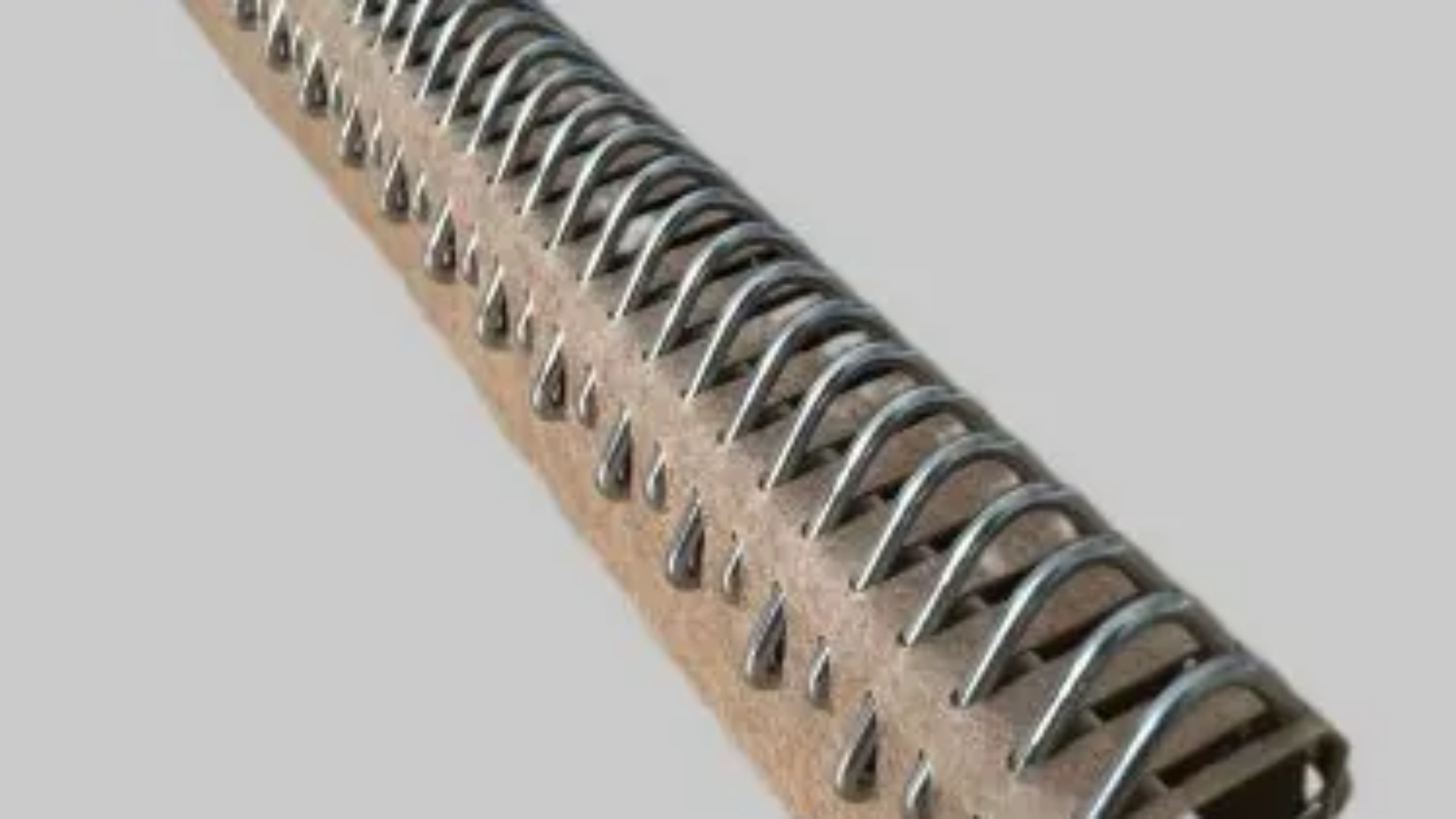
The geometric design of a mechanical belt fastener directly influences the friction levels and physical wear experienced by pulleys and cleaning scrapers. Standard systems should feature low-profile shapes to ensure smooth movement over conveyor rollers, minimizing industrial noise and equipment wear. For lightweight material handling, our wire hook systems utilize parallel hook legs that facilitate straightforward insertion of the hinge pin while creating a completely flat belt surface. Additionally, safety mechanisms matter during physical installation; for example, we integrate a patent-protected safety strip that covers sharp points to protect your maintenance crew from accidental hand injuries.
Confirm Customization Capabilities and Length Adaptability
Every industrial assembly line possesses distinct specifications regarding width, thickness, and operating tension. A versatile belt fastener manufacturer must provide comprehensive options in wire diameters, strip lengths, and customized models to suit diverse applications. We manufacture custom length options ranging from 101 mm to 1524 mm, allowing our global clients to obtain tailored configurations that precisely match their system dimensions. This physical adaptability reduces the time spent modifying components on-site, ensuring a stable belt joint that minimizes operational friction and optimizes energy efficiency.
Focus on Overall Value and Operational Support
Acquiring mechanical components involves evaluating the long-term balance between production durability, delivery timelines, and initial acquisition costs. Partnering directly with a factory that manages specialized engineering processes allows your enterprise to secure consistent quality assurance alongside clear structural advantages. With more than 20 years of manufacturing expertise, Intake delivers reliable bulk shipments to diverse global markets including East Asia, West Africa, Australia, and Mexico. Securing durable mechanical parts that facilitate straightforward assembly allows industrial facilities to minimize maintenance downtime and lower overall energy consumption.