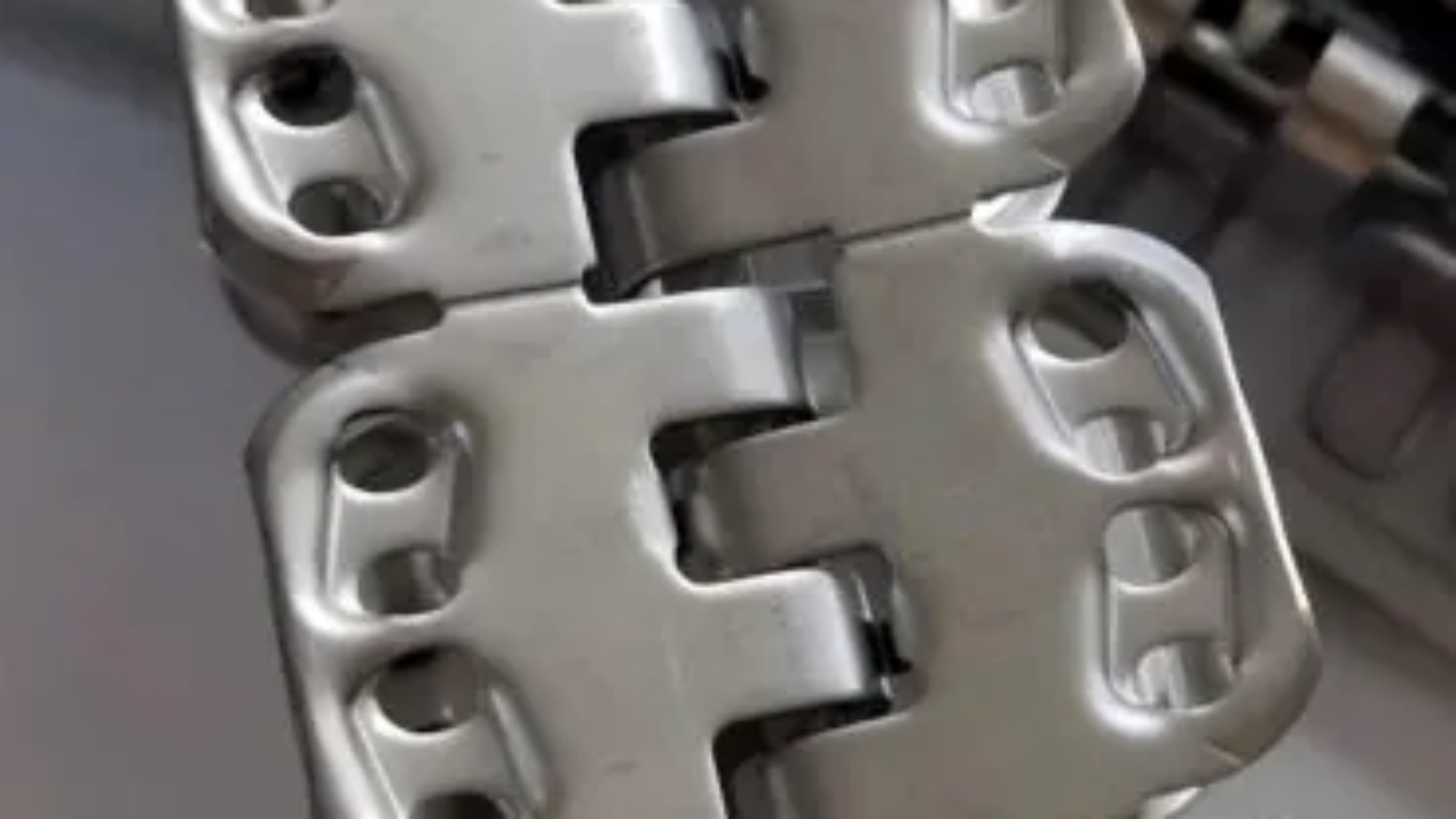
Maintaining consistent production flow requires reliable hardware, and we often focus on the integrity of the belt itself. However, the connection points are where most systems experience wear. At Intake, we frequently assist operations in managing these critical transition zones. A conveyor belt fastener is a mechanical device designed to join the two ends of a belt together to form a continuous loop. These components are essential for systems where vulcanization is not feasible, providing a secure bridge that allows the belt to travel over pulleys and around rollers without compromising structural stability.
The Mechanism Behind Mechanical Fastening
The core function of these devices is to hold the belt ends securely while maintaining the tension required for material transport. As a conveyor belt fastener manufacturer, we prioritize precision in how these components grip the belt carcass. When we install them, we typically insert the fasteners into the belt ends and compress them, either through bolt-type or rivet-type methods. This compression ensures the belt stays flush, preventing gaps that could catch on rollers or idlers. By using high-quality materials, Intake ensures that the joint remains flexible enough to pass over small pulleys yet strong enough to handle heavy loads, maintaining the integrity of the entire conveyor system.
Selection and Installation Considerations
Selecting the right hardware depends heavily on the belt’s physical properties, such as thickness and tension rating. We emphasize that the mechanical characteristics of the belt must dictate the choice of the fastening system to avoid premature failure. For instance, high-tension belts require rivets to penetrate deep into the fabric or steel cords, providing a hold that bolts alone cannot achieve. Proper installation is critical; if the fasteners are misaligned or not tightened to the correct torque, the belt will eventually track improperly, causing excessive friction and heat. We have seen many operations extend the lifespan of their equipment simply by ensuring the belt fasteners are installed according to specific tension requirements.
Monitoring and Maintenance Practices
Regular inspection of your joints is a standard procedure we recommend to keep your facility running smoothly. Since these connections are subject to continuous stress, they should be audited during every scheduled maintenance window. We look for signs of wear, such as abrasive damage on the fasteners or signs of the belt edge pulling away from the mechanical joint. If a fastener shows significant material loss, it should be replaced immediately before it causes damage to the cleaning blades or the return idlers. Being proactive with these small components prevents the need for unplanned downtime, which is often the most significant cost factor in heavy-duty material handling. By integrating consistent checkups into your maintenance schedule, you ensure that the connection remains the most reliable part of the conveyor loop.
In conclusion, understanding how these hardware components function allows for more effective management of material handling lines. Whether your operation involves mining, logistics, or food processing, the performance of your system relies on the strength of its joints. Intake remains committed to providing robust solutions that keep your belts moving efficiently, reducing the risk of failure at the connection point. By paying close attention to the installation and monitoring of your mechanical links, you sustain the reliability of your operation over the long term.