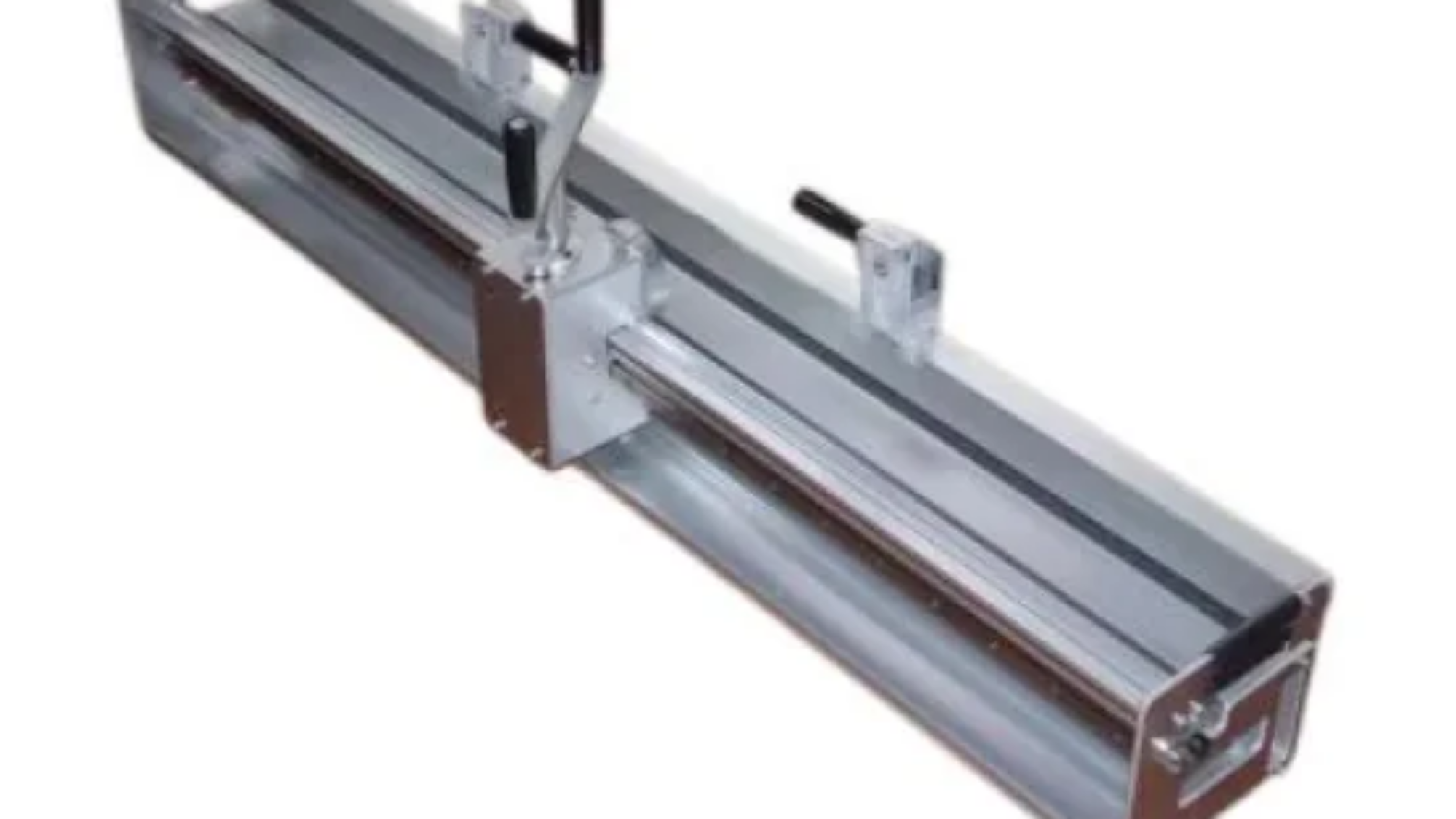
Proper maintenance of conveyor systems remains a vital operational necessity for industrial facilities. When dealing with heavy-duty transport, the connection points of the belt represent the most common area for potential failure. We focus on reliable mechanical solutions to ensure these connections remain secure under pressure. By utilizing a hydraulic belt fastener machine, technical teams can achieve consistent tension and alignment across the belt surface.
Ensuring Belt Integrity Through Hydraulic Pressure
Maintaining consistent performance requires precise control over the fastener installation process. Manual methods often lead to uneven pressure distribution, which compromises the longevity of the splice. At Intake, we observe that uniform force application is necessary to prevent premature wear. Implementing a hydraulic belt fastener machine allows operators to apply controlled, repeatable pressure during each cycle. This stability minimizes the risk of joint separation, which is a frequent concern in high-capacity material handling. We prioritize tools that facilitate this level of accuracy to keep production lines moving without interruption.
Efficiency in On-Site Maintenance Procedures
Field repairs demand equipment that is both portable and powerful. Downtime costs accumulate rapidly, so the speed of fastener installation impacts overall facility output. Our approach involves using a hydraulic machine that is engineered for field environments, ensuring that technicians can perform necessary repairs without moving the belt to a centralized workshop. Intake provides systems designed to simplify these tasks while maintaining the structural requirements of the belt splice. Having the right machinery on hand allows maintenance teams to address wear points proactively, which keeps the system operational during demanding production schedules.
Longevity and System Reliability
Equipment longevity depends on how well components are integrated into the existing maintenance routine. A properly installed fastener significantly reduces the stress placed on the splice area, which prevents belt tear-outs. Utilizing a professional hydraulic machine creates a clean, flush joint that travels smoothly over pulleys and rollers. When we analyze the wear patterns on belts, the connection points often reflect the quality of the installation tools used during initial setup. By focusing on the mechanics of the lacing process, we ensure that the entire conveyor system experiences less friction and fatigue. This attention to detail results in a more predictable service life for both the belt and the fastener system.
In summary, the choice of equipment used for belt splicing influences the daily reliability of industrial conveyor lines. High-quality fasteners, paired with a specialized hydraulic belt fastener machine, provide a stable solution for demanding applications. We maintain that consistent pressure and professional-grade installation techniques remain the foundation of effective conveyor management. By incorporating a robust hydraulic machine into your maintenance toolkit, you establish a reliable process that supports long-term operational goals. At Intake, we support these standards by providing durable hardware designed to meet the rigorous demands of modern material handling environments. Effective maintenance is not just about reactive repairs; it is about establishing a disciplined approach to the components that keep your facility running. By focusing on these technical aspects, you can maintain the stability of your conveyor system while ensuring that each belt splice meets the necessary strength requirements for your specific site conditions.