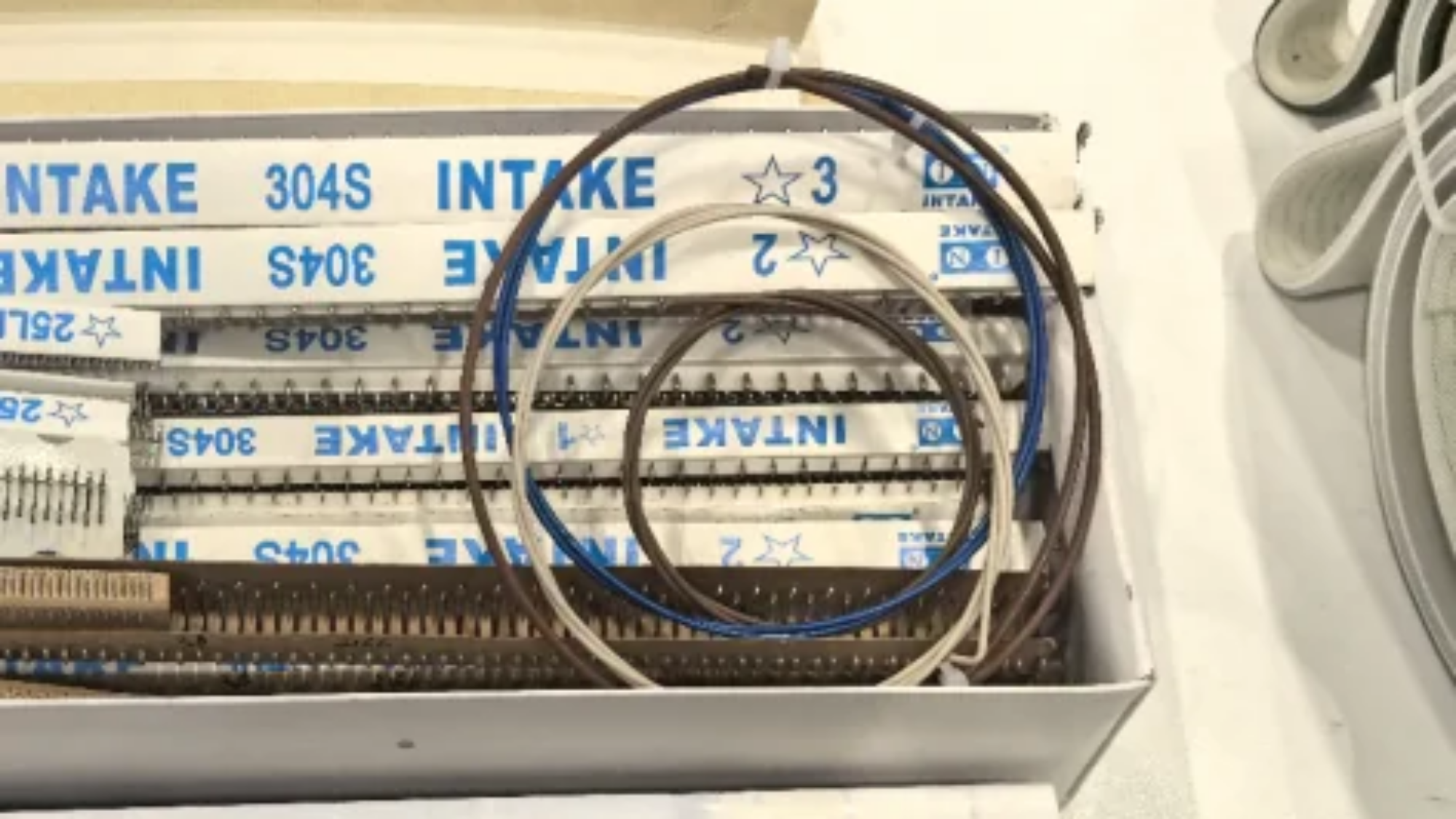
Proper maintenance of conveyor systems relies on the integrity of every component, particularly within the splice area where the belt is joined. When we observe wear patterns in heavy-duty material handling, the focus often shifts to the mechanical fastening systems that hold the belt ends together. A crucial element in this assembly is the hinge pin. At Intake, we prioritize the technical precision required for these components to ensure operational continuity in demanding industrial environments.
The Role of the Hinge Pin in Belt Splicing
The hinge pin functions as the primary axis of rotation for mechanical fasteners, allowing the belt to flex as it passes over pulleys. In our experience at Intake, the selection of the correct conveyor belt hinge pin is vital for the longevity of the splice. This pin must withstand significant tension and repeated bending cycles without undergoing premature fatigue or deformation. If the pin lacks the necessary metallurgical properties, the mechanical fastener loop can lose its structural stability, leading to potential belt separation.
When we examine the mechanical design, the conveyor belt hinge pin serves as a bridge that connects the fastener plates installed on both ends of the conveyor belt. By sliding through the loops of these plates, it creates a flexible joint. Because we manufacture these components with specific material tolerances, we ensure that the diameter is consistent across the entire length. This consistency prevents uneven stress distribution, which is a common cause of premature splice failure in high-output processing facilities.
Material Considerations for Hinge Pins
Durability within a splicing system is largely determined by the material composition of the pin. As a hinge pin manufacturer, we analyze how different environments, such as those involving abrasive materials or extreme temperatures, impact the performance of the metal. For instance, selecting a pin that is too soft may cause it to wear away under the constant friction of the belt loops, while a pin that is too brittle might snap under impact loads.
We utilize specific grades of steel to produce a conveyor belt hinge pin that balances flexibility with tensile strength. Our engineering team designs these pins to resist the shearing forces encountered during daily operations. By maintaining strict control over the manufacturing process, we provide components that integrate seamlessly with various fastening systems. This attention to detail allows maintenance teams to perform faster, more reliable repairs, which minimizes the duration of equipment downtime and protects the overall throughput of the conveyor line.
Ensuring Compatibility in Fastening Systems
The effectiveness of any mechanical splice is limited by the compatibility between the fastener and the pin. We advocate for utilizing components that are engineered to function together as a unified system rather than mixing hardware from various sources. As your hinge pin manufacturer, we focus on tolerances that allow for smooth insertion and removal. This is critical because maintenance personnel often need to replace pins during scheduled service intervals without struggling with misaligned loops or seized components.
Relying on a trusted hinge pin manufacturer ensures that the mechanical fasteners perform according to their design specifications. We continuously monitor our production quality to verify that every pin meets the expected dimensional standards. When these components fit correctly, they reduce the wear on the fastener loops themselves, extending the service life of the entire belt splice. By focusing on these technical aspects, we help maintain the mechanical reliability required for consistent belt operation in diverse industrial applications.
In conclusion, the hinge pin is a small but essential component that dictates the performance of a mechanical belt splice. Through precise manufacturing and material selection, these pins facilitate reliable belt flexibility and structural integrity. By maintaining high standards for these parts, we support the operational efficiency of conveyor systems. We remain committed to providing components that meet the rigorous demands of material handling, ensuring that your equipment continues to run smoothly.