

Efficiency in material handling relies heavily on the integrity of your belt systems. Many industrial operations face downtime when belts require maintenance or replacement, which is where effective fastening methods become essential. We prioritize reliable solutions at Intake to ensure your machinery continues to operate smoothly without unnecessary interruptions. Properly installed mechanical fasteners maintain the tension and alignment required for consistent throughput.
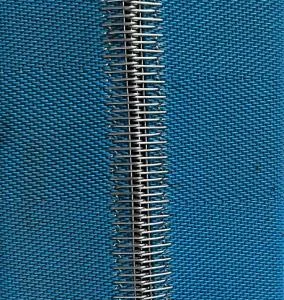
Defining Conveyor Belt Lacing
Conveyor belt lacing is a mechanical method used to join the two ends of a conveyor belt, creating a continuous loop. This technique involves using metallic fasteners, often referred to as a conveyor belt lace, to secure the belt material firmly. Rather than using vulcanized splices, which require specialized equipment and significant downtime, lacing provides a practical alternative for quick repairs. We find that this approach is particularly useful in environments where maintenance speed is a priority. When the belt ends are prepared correctly, the fasteners distribute tension evenly across the width of the splice.
Application of Mechanical Fasteners
Applying a conveyor belt lace involves several critical steps to ensure longevity and safety. First, the belt ends must be cut square to prevent tracking issues during operation. After preparing the ends, the fasteners are installed using specific tools designed to clinch the hooks or teeth into the belt carcass. At Intake, we emphasize the importance of matching the fastener size and material to the specific belt thickness and pulley diameter. Improper application can lead to premature wear or fastener failure. By following precise installation guidelines, teams can achieve a durable connection that holds up under regular load cycles.
Benefits in Industrial Maintenance
Using conveyor belt lacing offers distinct advantages for facilities that cannot afford long periods of equipment inactivity. Because this method allows for quick belt removal or shortening, it streamlines the maintenance workflow significantly. When we look at various industrial applications, the ability to perform an on-site repair without removing the belt from the conveyor structure saves both time and labor costs. Furthermore, these mechanical systems provide enough flexibility to operate over smaller pulleys, which is a common requirement in many processing plants. Relying on consistent fastening systems helps maintain a predictable production schedule.
Considerations for Operational Longevity
Selecting the correct components requires a look at the specific environmental conditions of your facility. Factors such as belt tension, abrasive materials, and temperature fluctuations influence how long a splice will last. We observe that high-quality fasteners are designed to resist corrosion and wear, providing a stable joint for the expected life of the belt. Regular inspections are necessary to identify potential issues before they cause a complete failure. Monitoring the condition of the lacing ensures that the belt remains functional and that production targets are met. By maintaining these joints, operations remain productive and safe for all personnel involved.
In conclusion, managing conveyor systems requires reliable methods for belt joining and repair. Understanding how to apply and maintain mechanical fasteners allows for greater control over maintenance cycles and operational efficiency. By focusing on correct installation and regular assessment of the connection points, facilities can minimize disruptions. We remain committed to supporting these processes with durable solutions that address the practical needs of modern material handling environments. Proper attention to these details helps ensure that your equipment continues to perform as expected throughout its service life.