
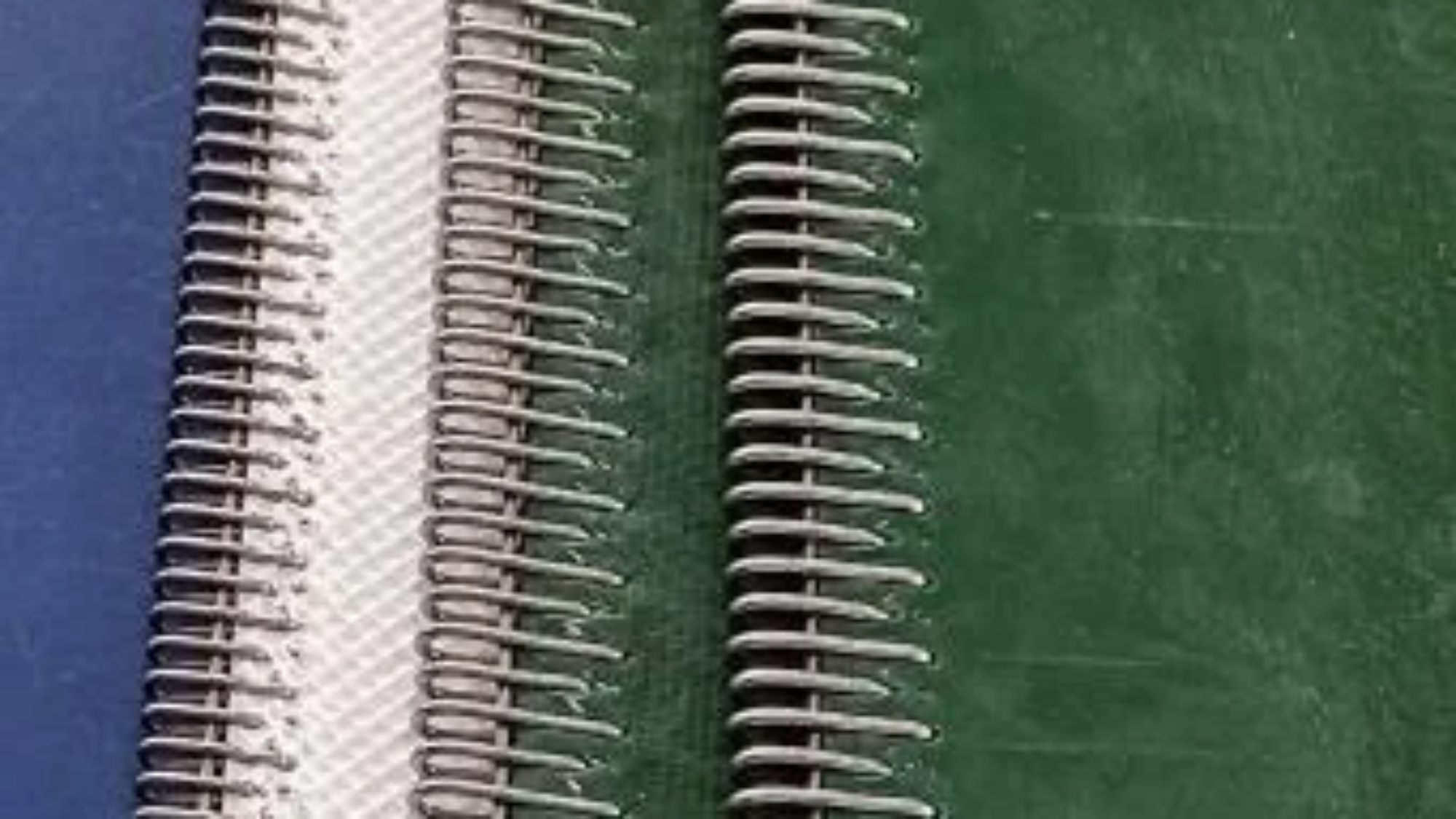
Connecting conveyor belts requires precision to maintain operational efficiency and durability. As we observe daily at Intake, the method used to join belt ends dictates the longevity of the entire system. Selecting appropriate splicing components is essential for preventing downtime, which is why we often focus on the specific performance characteristics of mechanical fasteners.
Evaluating Conveyor Belt Lacing Methods
When we evaluate various joining techniques, we look for solutions that balance tensile strength with ease of installation. A common approach involves using conveyor belt lacing, which offers a reliable way to maintain belt tension under consistent loads. At Intake, we emphasize that the primary goal is ensuring the splice remains flat and stable as it passes over pulleys and idlers. Properly installed lacing minimizes the risk of uneven wear across the belt surface, ensuring that the transition at the joint is as smooth as possible. When we apply these methods, we see a marked improvement in how the belt tracks, reducing the frequency of manual adjustments required to keep the conveyor running properly.
The Role of Wire Hook Fastener Systems
A wire hook fastener provides a specific advantage for thinner, lighter-duty belts that operate in various industrial environments. By utilizing a continuous or carded hook system, we can achieve a uniform distribution of pressure across the width of the belt. This uniformity is critical because it prevents the fastener from pulling through the belt material under stress. We find that the configuration of the wire hook fastener allows for a low profile, which is particularly beneficial when the belt needs to interact with scrapers or cleaners. By maintaining a consistent profile, we help protect both the fastener itself and the downstream components, keeping the entire conveyor system functioning smoothly without unnecessary interruptions or damage.
Ensuring Proper Splicing Performance
Longevity in a belt splice comes down to how well the components are matched to the belt’s thickness and material composition. When we install a wire hook fastener, we pay close attention to the gauge of the wire and the depth of the hooks. Matching these specifications to the belt ensures that the grip is secure and the splice can handle the expected load without premature failure. We often see that even minor mismatches in wire thickness can lead to fatigue at the joint, which is why we verify these parameters before finalizing the connection. This methodical approach to splicing helps us maintain high operational uptime and predictable maintenance schedules for our partners who rely on continuous production flows.
Reliable belt splicing remains a cornerstone of efficient material handling. By focusing on the correct selection and installation of mechanical fasteners, we can significantly extend the service life of conveyor belts. Consistent attention to these details, from the choice of lacing to the careful installation of the hook system, ensures that the conveyor system supports, rather than hinders, industrial productivity.