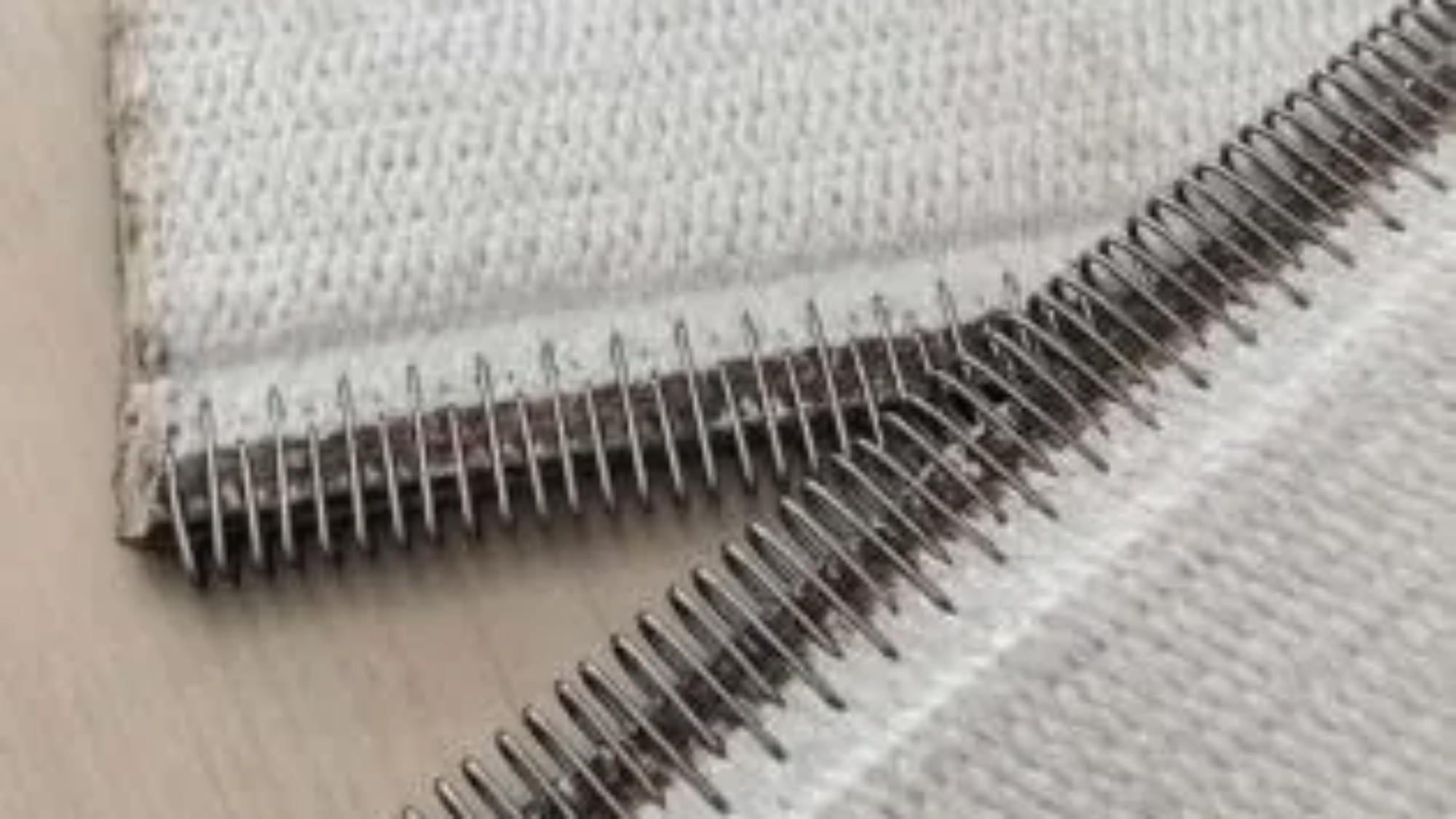
Operations managers frequently weigh the benefits of different splicing methods to maintain heavy-duty equipment. When we analyze the specific needs of a site, we often see that the decision between mechanical options and vulcanization impacts both downtime and long-term costs. As a conveyor belt fastener manufacturer, we evaluate these methods by considering speed, accessibility, and the specific material handling requirements of the facility. While vulcanized splices create a continuous, seamless belt, they require significant time and specialized equipment to cure, which can extend repair windows considerably. In contrast, mechanical solutions offer a quick, reliable way to restore operations without the need for complex, on-site vulcanizing presses.
Assessing the Speed of Mechanical Installation
Time is a critical resource in industrial environments, and we find that the speed of repair often dictates the type of connection applied to a belt. Mechanical systems allow for rapid restoration of the line, which is vital when an unexpected break halts production. We supply robust conveyor belt fasteners that technicians can install with standard portable tools, getting the belt back in service in a fraction of the time required for a vulcanized splice. By minimizing the hours a line remains idle, maintenance teams can focus on other essential tasks rather than waiting for curing times. These components provide a durable connection that effectively handles the physical demands of high-throughput environments while simplifying the maintenance process for your crew.
Evaluating Accessibility and Flexibility
Versatility remains a primary advantage when using mechanical hardware to join belt ends. We observe that many facilities prefer these systems because they do not require specialized, heavy-duty machinery, making them accessible even in remote or space-constrained areas. As professional conveyor belt fasteners suppliers, we design our systems to be compatible with a wide range of belt types and thicknesses, providing the flexibility needed to adapt to changing operational demands. Unlike vulcanization, which involves a rigid, time-intensive process, mechanical joints can be serviced or replaced if the belt develops a localized issue. This ease of access allows your team to perform repairs on-site, ensuring that the system remains operational without relying on external specialized contractors.
Long-Term Operational Cost Considerations
Financial performance is often tied to how effectively we minimize unplanned outages and repair expenses. While the initial investment in a mechanical system is distinct from the costs associated with vulcanized splicing, the total expense over the life of the belt is often favorable due to reduced labor and equipment requirements. At Intake, we provide durable solutions that offer a clear path to cost-effective maintenance. We see that operations using our mechanical systems benefit from predictable repair schedules and decreased material waste. By maintaining a stock of reliable hardware on-site, your team reduces the dependency on third-party service providers, further optimizing your budget and keeping the facility running at a steady, efficient pace. Intake supports these efforts by offering consistent quality across our entire product range.
In conclusion, the decision between mechanical joints and vulcanized splices depends on your specific operational constraints regarding time, resources, and belt type. For many applications, the simplicity, speed, and cost-effectiveness of mechanical hardware provide a practical path forward for maintaining system uptime. We recognize that each facility faces unique challenges, and having a reliable, fast-installation alternative remains a core part of effective belt management. By keeping the right tools and components on hand, you ensure that your production line stays moving, regardless of the challenges presented by your daily material handling demands.